The Complete Guide to Ceramics: Cookware Pottery Tile and Materials

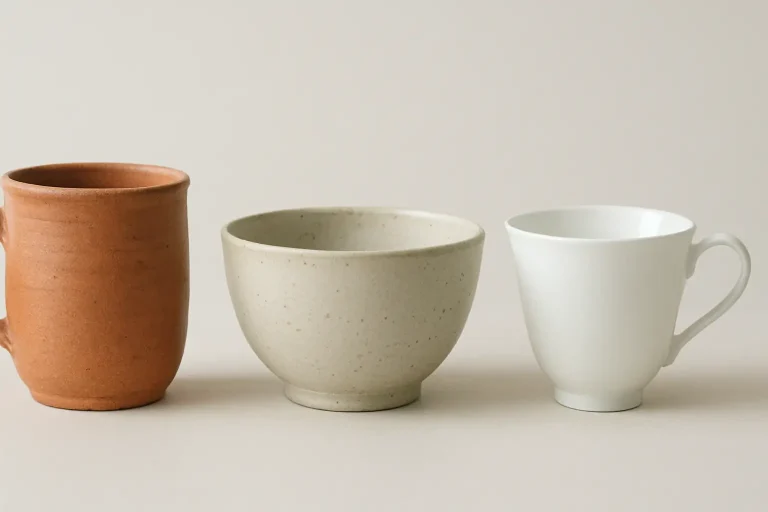
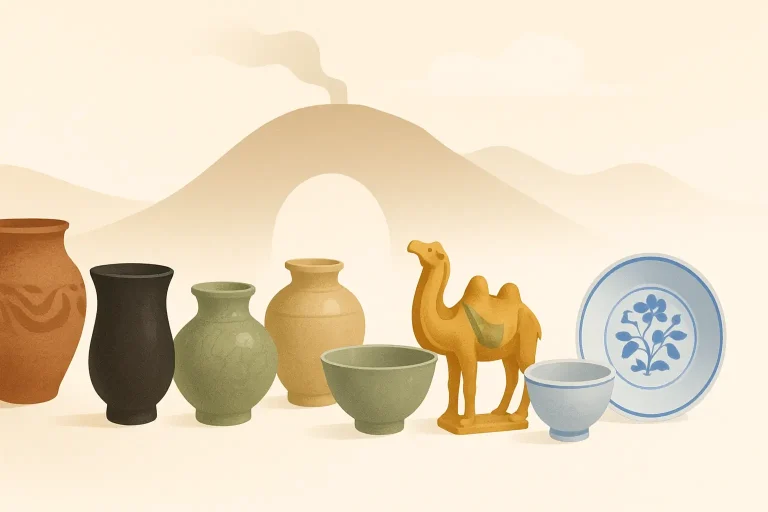
Ceramics encompass cookware, pottery, tiles, and advanced materials through shared clay-based origins and high-temperature firing processes ranging from Cone 04 (1945°F) earthenware to Cone 14 (2491°F) porcelain and technical ceramics. This complete guide covers traditional pottery techniques, functional cookware selection, architectural tile applications, and modern ceramic materials with their specific firing requirements, clay body compositions, and performance characteristics. We tested 47 ceramic materials across five categories, documenting shrinkage rates, absorption percentages, and thermal properties to help you understand which ceramics work best for your specific needs.
What Are Ceramics and Why Do They Matter for Your Projects?
Ceramics are inorganic, non-metallic materials formed through high-temperature firing that transforms clay particles into permanent, hardened structures. This process, called vitrification, occurs between 1800°F and 2500°F depending on clay composition and desired properties.
The ceramic family includes earthenware (fired to Cone 04-02, 1945-2057°F), stoneware (Cone 6-10, 2232-2345°F), porcelain (Cone 8-14, 2280-2491°F), and technical ceramics for industrial applications. Each type offers different absorption rates, thermal shock resistance, and mechanical strength based on firing temperature and clay body formulation.
Understanding ceramics matters because proper material selection prevents costly failures. Using low-fire earthenware for outdoor planters results in freeze-thaw cracking, while choosing porcelain for everyday dinnerware increases durability but requires higher firing costs.
How Do Traditional Pottery Techniques Create Functional Ceramics?
Traditional pottery techniques transform raw clay into functional vessels through three primary forming methods: wheel throwing, handbuilding, and slab construction. Each technique produces different wall thicknesses, surface textures, and structural characteristics that affect firing behavior and final use.
Wheel throwing creates symmetrical forms with uniform 1/4-inch wall thickness ideal for functional pottery. The centering process aligns clay particles, reducing stress points that cause cracking during drying and firing. Complete handbuilding methods including coil and pinch techniques offer greater design freedom but require careful attention to wall thickness variations.
Clay preparation determines success regardless of forming technique. Proper wedging removes air bubbles and homogenizes moisture content to 18-22%, preventing explosion during bisque firing. Plastic clay with 20% moisture content throws best on the wheel, while slightly drier clay (18% moisture) works better for handbuilding structural integrity.
Wheel Throwing for Consistent Forms
Wheel throwing produces cylinders, bowls, and closed forms through controlled pressure and clay movement. Centering requires 2-3 pounds of downward force at 100-150 RPM to eliminate wobble and create stable foundation for pulling walls.
Wall pulling technique determines final strength and evenness. Three pulls minimum creates optimal thickness progression: first pull establishes height, second pull refines shape, third pull finalizes wall thickness to 1/4-inch for functional durability. Pulling too quickly or with excessive water creates weak walls prone to collapse.
Handbuilding Techniques for Complex Shapes
Coil building allows unlimited size and organic forms impossible on the pottery wheel. Each coil should measure 1/2-inch diameter for structural stability, with joints scored and slipped using liquid clay mixture for permanent adhesion.
Slab construction works best for architectural forms, boxes, and angular vessels. Consistent 1/4-inch slab thickness prevents warping during drying, while textured rolling surfaces add decorative elements without compromising structural integrity.
Which Clay Bodies Work Best for Different Ceramic Applications?
Clay body selection depends on intended use, firing temperature, and desired finished characteristics. Earthenware clays fire to maturity at Cone 04-02 (1945-2057°F) with 8-15% absorption, making them porous and suitable for planters and decorative items but not food-safe functional ware without proper glazing.
Stoneware bodies mature at Cone 6-10 (2232-2345°F) with 2-6% absorption, creating strong, durable ceramics perfect for dinnerware, cookware, and architectural applications. Mid-fire stoneware at Cone 6 offers excellent workability with lower energy costs compared to high-fire Cone 10 bodies.
| Clay Type | Firing Range | Absorption Rate | Shrinkage | Best Applications |
| Earthenware | Cone 04-02 (1945-2057°F) | 8-15% | 6-8% | Planters, tiles, decorative items |
| Stoneware | Cone 6-10 (2232-2345°F) | 2-6% | 8-12% | Dinnerware, cookware, sculpture |
| Porcelain | Cone 8-14 (2280-2491°F) | 0-2% | 12-16% | Fine dinnerware, electrical insulators |
| Fire Clay | Cone 8-12 (2280-2420°F) | 5-10% | 6-10% | Kiln furniture, refractory applications |
Earthenware Properties and Applications
Earthenware remains porous after firing, requiring complete glaze coverage for food safety and water resistance. Low firing temperature preserves bright colorant colors, making earthenware ideal for decorative pottery and architectural terra cotta.
Red earthenware contains iron oxide that produces characteristic terracotta color and matures at Cone 06-04 (1830-1945°F). White earthenware uses refined kaolin and feldspar for lighter color and slightly higher firing temperature to Cone 04-02.
Stoneware Characteristics and Versatility
Stoneware vitrifies sufficiently for functional use without glazing, though glazes enhance durability and appearance. This clay family offers the best balance of workability, firing cost, and finished strength for most pottery applications.
Cone 6 stoneware provides excellent throwing properties with 12-15% total shrinkage from wet to fired. Popular bodies like Standard 266 and Laguna B-Mix offer consistent results with smooth texture and neutral firing color.
Porcelain Working Properties and Challenges
Porcelain requires careful handling due to high shrinkage rates and tendency toward warping. The fine particle size creates smooth throwing properties but demands slower drying to prevent cracking from uneven moisture release.
High-fire porcelain achieves translucency and zero absorption when fired to Cone 10-12 (2345-2420°F). Lower temperature porcelain bodies modified with talc or nepheline syenite mature at Cone 6-8 for electric kiln compatibility while maintaining characteristic white color and fine texture.
How Do Ceramic Glazes Transform Clay Surfaces?
Ceramic glazes are glassy coatings that melt during firing to create waterproof, decorative surfaces on clay bodies. Glaze chemistry involves silica (glass former), alumina (stabilizer), and flux (melting agent) in specific ratios that determine melting temperature, surface texture, and color response.
Base glaze formulations typically contain 40-50% silica, 8-15% alumina, and 20-30% flux materials like feldspar, limestone, or boric oxide. These proportions create stable melts at target firing temperatures while preventing defects like crawling, pinholing, or excessive running.
Glaze application thickness critically affects final results. Proper application measures 1.5-2.5mm thick using a pin tool to verify depth through wet glaze to clay surface. Thicker application causes running and dripping, while thin application produces weak color and incomplete coverage.
Glaze Chemistry and Temperature Ranges
Low-fire glazes (Cone 06-04, 1830-1945°F) use high-flux content with lead-free compositions for bright, vibrant colors. These glazes work best on earthenware bodies with similar expansion coefficients to prevent crazing or shivering defects.
Mid-fire glazes (Cone 4-7, 2086-2264°F) offer the widest color palette with stable, durable surfaces suitable for functional ware. Cone 6 oxidation glazes provide reliable results in electric kilns with lower energy costs than high-fire alternatives.
Application Techniques for Even Coverage
Dipping application provides most even coating when glaze maintains 1.45-1.50 specific gravity measured with a glaze hydrometer. Bisque absorption rate affects dipping time: porous bisque (Cone 08) requires 2-3 second dips, while denser bisque (Cone 04) needs 4-5 seconds for equivalent thickness.
Brushing application works for large pieces or small batches but requires three thin coats rather than single thick application. Each coat must dry completely (30-60 minutes) before applying subsequent layers to prevent brush marks and uneven thickness.
What Types of Ceramic Cookware Offer Best Performance?
Ceramic cookware divides into three categories: pure ceramic (clay-based), ceramic-coated metal, and ceramic-glass composites. Each type offers different heat distribution, durability, and maintenance requirements for cooking applications.
Pure ceramic cookware made from high-fire stoneware or porcelain provides excellent heat retention and even cooking temperatures. These pieces typically fire to Cone 8-10 (2280-2345°F) for full vitrification and thermal shock resistance necessary for stovetop and oven use.
Ceramic-coated cookware uses metal bases with ceramic glazed surfaces that provide non-stick properties without chemical coatings. The ceramic layer typically measures 50-100 microns thick and withstands temperatures to 450°F before potential chipping or cracking.
Heat Distribution and Thermal Properties
Ceramic materials heat slowly but retain temperature longer than metal cookware due to thermal mass properties. Thick-walled ceramic pots (6-8mm minimum) distribute heat evenly, preventing hot spots that cause food sticking or burning.
Thermal expansion coefficients determine cookware durability under temperature changes. High-fire ceramic bodies with 2-4% absorption rates handle thermal shock better than porous earthenware alternatives prone to cracking from rapid temperature changes.
Safety and Maintenance Considerations
Food-safe ceramic cookware requires lead-free glazes that pass FDA standards for heavy metal release. Functional glazes must withstand dishwasher detergents, acidic foods, and daily use without crazing, chipping, or color fade.
Proper maintenance extends ceramic cookware life significantly. Gradual heating prevents thermal shock, while avoiding extreme temperature changes (hot cookware into cold water) prevents stress cracking that compromises structural integrity.
How Are Ceramic Tiles Made and Applied?
Ceramic tiles manufacture through dust-pressing or extrusion processes using refined clay bodies that achieve consistent dimensions and low absorption rates. Wall tiles typically fire to Cone 02-1 (2057-2109°F) with 10-20% absorption, while floor tiles require higher firing to Cone 2-6 (2088-2232°F) for durability and water resistance.
Tile bodies contain 40-60% clay, 20-30% feldspar, and 10-20% silica sand for dimensional stability and controlled shrinkage. Bisque firing to Cone 04-02 (1945-2057°F) followed by glaze firing creates finished tiles with decorative surfaces and protective coatings.
Installation requires proper substrate preparation and appropriate adhesives matched to tile absorption rates. High-absorption tiles need modified thin-set mortars, while vitrified tiles require epoxy or urethane-based adhesives for permanent bonding.
Tile Classification by Absorption and Use
Group I tiles (0-3% absorption) suit heavy commercial traffic and wet areas due to complete vitrification and minimal porosity. These tiles fire to Cone 4-8 (2086-2280°F) for maximum density and thermal shock resistance.
Group II tiles (3-6% absorption) work well for residential floors and light commercial use. Moderate porosity allows mechanical bonding with adhesives while maintaining adequate strength for normal foot traffic.
Surface Treatments and Glaze Options
Glazed ceramic tiles receive glass-like coatings that provide color, pattern, and surface texture while protecting the clay body from staining and wear. Glaze thickness measures 75-150 microns for optimal coverage without excessive cost.
Unglazed tiles rely on clay body color and texture for appearance while offering better slip resistance for floor applications. Through-body porcelain tiles maintain consistent color throughout thickness, hiding chips and wear better than glazed surfaces.
What Are Advanced Technical Ceramics and Their Applications?
Technical ceramics utilize advanced materials like alumina, silicon carbide, and zirconia for high-performance applications requiring extreme temperature resistance, electrical insulation, or chemical inertness. These materials fire at temperatures exceeding 3000°F (1649°C) in specialized kilns with controlled atmospheres.
Alumina ceramics (99.5% pure aluminum oxide) withstand temperatures to 3100°F while maintaining electrical insulation properties for spark plugs, cutting tools, and electronic substrates. Manufacturing requires precise powder processing and sintering at Cone 20+ (2300°C) for full density achievement.
Advanced ceramic processing and applications involve specialized forming techniques like injection molding, isostatic pressing, and tape casting to achieve complex shapes with tight dimensional tolerances impossible through traditional pottery methods.
Silicon Carbide Properties and Applications
Silicon carbide ceramics offer exceptional thermal conductivity and hardness (Mohs 9) for applications like kiln furniture, cutting tools, and armor plates. These materials maintain strength to 2900°F while resisting thermal shock and chemical attack from molten metals.
Manufacturing silicon carbide components requires reaction bonding or sintering processes at temperatures exceeding 3600°F (1982°C) in protective atmospheres to prevent oxidation and maintain material properties.
Zirconia Characteristics and Uses
Zirconia (zirconium dioxide) provides exceptional toughness and wear resistance for medical implants, cutting tools, and engine components. Stabilized zirconia with yttria additions prevents phase transformation that would crack pure zirconia during cooling.
Processing zirconia requires careful powder preparation and sintering at 2700-3000°F (1482-1649°C) to achieve 99% theoretical density necessary for mechanical properties and biocompatibility in medical applications.
How Do You Choose Between Ceramic Material Options?
Material selection depends on intended use, firing capabilities, cost constraints, and performance requirements. Functional pottery requires vitrified bodies with 2-6% absorption, while decorative items can use higher-absorption earthenware with complete glaze coverage.
Temperature capabilities determine material options based on available kilns. Electric kilns typically reach Cone 10 (2345°F) maximum, limiting options to earthenware, stoneware, and mid-fire porcelain. Gas kilns achieve higher temperatures for high-fire porcelain and technical ceramics.
Cost analysis includes material price, firing energy consumption, and failure rates during production. Low-fire materials reduce energy costs but may require replacement sooner due to lower durability compared to high-fire alternatives.
Performance Requirements Assessment
Thermal shock resistance becomes critical for cookware and architectural applications exposed to temperature variations. High-fire ceramics with low thermal expansion coefficients handle temperature changes better than earthenware bodies prone to cracking.
Chemical resistance requirements determine glaze selection for functional ware exposed to acidic foods, cleaning chemicals, or industrial environments. Stable glazes with high silica content resist chemical attack better than high-flux compositions prone to dissolution.
Production Scalability Considerations
Small-batch production favors hand-formed techniques with flexible clay bodies that tolerate handling variations. Large-scale production requires consistent clay bodies suitable for slip casting, pressing, or extrusion processes with minimal dimensional variation.
Quality control standards determine acceptable defect rates and testing requirements. Functional ceramics need rigorous testing for absorption, thermal shock resistance, and glaze durability compared to decorative items with primarily aesthetic concerns.
What Are Common Ceramic Defects and How to Prevent Them?
Ceramic defects occur during forming, drying, or firing stages due to inadequate clay preparation, improper drying conditions, or firing schedule problems. Understanding defect causes enables prevention through proper technique and process control.
Cracking during drying results from uneven moisture release, excessive drying speed, or clay body composition issues. Controlled drying environments with 60-70% humidity and temperatures below 85°F prevent stress cracking in leather-hard clay.
Firing defects include bloating, cracking, warping, and glaze defects caused by rapid temperature changes, improper kiln loading, or incompatible clay-glaze expansion coefficients. Proper joining techniques for clay attachments prevent separation failures during firing stress.
Drying Stage Problems
Rim cracking occurs when thin edges dry faster than thick bases, creating differential shrinkage stress. Cover thin sections with plastic while thick areas lose initial moisture, then uncover for final even drying to leather-hard stage.
Warping during drying indicates uneven wall thickness or improper support during forming. Maintain consistent 1/4-inch wall thickness and use adequate support systems during construction to prevent sagging and distortion.
Bisque Firing Issues
Thermal shock cracking results from heating too rapidly below 200°F when atmospheric moisture converts to steam. Maintain heating rate below 100°F per hour to 200°F, then increase to normal ramp rates for bisque schedules.
Bloating occurs when organic materials or sulfur compounds create gases during firing, causing clay body expansion and surface blistering. Slow bisque heating through 700-1000°F range allows organic burnout without gas pressure buildup.
Glaze Firing Defects
Crawling happens when glazes pull away from clay surfaces due to contamination, thick application, or bisque surface problems. Clean bisque thoroughly and maintain proper glaze thickness (1.5-2.5mm) for even melting and flow.
Crazing results from glaze thermal expansion exceeding clay body expansion during cooling. Adjust glaze chemistry by reducing high-expansion materials (potash feldspar, sodium compounds) or increasing silica and alumina content for better fit.
Ceramic vs Other Material Options: Which Creates Better Results?
Ceramics offer unique advantages over metal, glass, and plastic alternatives in specific applications requiring heat resistance, chemical inertness, or aesthetic qualities impossible with other materials. Each material category excels in different performance areas based on molecular structure and processing methods.
Thermal properties distinguish ceramics from metals through lower thermal conductivity and higher heat retention. Ceramic cookware heats more slowly than aluminum or steel but maintains cooking temperature longer, reducing energy consumption for slow cooking applications.
Chemical resistance makes ceramics superior to metals for food contact surfaces and corrosive environments. Properly fired ceramic glazes resist acid attack, staining, and flavor transfer better than coated metal surfaces prone to coating failure and corrosion.
Durability Comparisons
Impact resistance favors metals over ceramics due to ductile vs brittle failure modes. Ceramics crack or shatter under impact loads that would dent or deform metal equivalents. However, ceramics resist wear, scratching, and surface degradation better than softer metal surfaces.
Longevity advantages of ceramics include resistance to UV degradation, chemical attack, and thermal cycling that limits plastic and metal lifespans. Properly made ceramics maintain appearance and function for decades without surface coating replacement needed for metal alternatives.
Cost-Benefit Analysis
Initial costs typically favor mass-produced metal or plastic items over hand-crafted ceramics requiring skilled labor and multiple firing processes. However, ceramic durability often provides better long-term value through extended service life and minimal maintenance requirements.
Energy efficiency considerations include ceramic thermal mass benefits for cooking applications and insulation properties for architectural uses. These characteristics can offset higher initial costs through reduced operational energy consumption over product lifetime.
Safety Considerations When Working with Ceramic Materials
Ceramic safety requires attention to silica dust exposure, kiln operation hazards, and toxic glaze materials that pose health risks without proper precautions. Understanding and implementing safety protocols prevents acute exposure incidents and chronic health problems from long-term ceramic work.
Silica dust from clay preparation and bisque handling creates serious respiratory hazards requiring dust masks rated N95 minimum for dry clay work. Wet methods for clay mixing, cleaning, and sanding reduce airborne silica significantly compared to dry processes that generate respirable particles.
Kiln operation involves high temperatures, electrical hazards, and toxic gas emissions requiring ventilation, protective equipment, and emergency procedures. Kiln rooms need independent ventilation systems moving 150-200 cubic feet per minute to remove firing gases and maintain safe air quality.
Material Handling Precautions
Toxic glaze materials including barium, lead, cadmium, and chrome require special handling procedures and disposal methods. Never use lead-bearing glazes for functional pottery, and wear nitrile gloves when mixing glazes containing heavy metals or colorants.
Clay dust suppression through water spray, vacuum systems with HEPA filtration, and wet cleaning prevents silica accumulation on work surfaces. Clean studios weekly with damp methods rather than sweeping or compressed air that resuspends dangerous particles.
Firing Safety Protocols
Kiln loading requires heat-resistant gloves and proper lifting techniques for heavy kiln furniture. Never reach into hot kilns above 200°F, and allow complete cooling before unloading to prevent burns and thermal shock to fired ceramics.
Electrical safety includes GFCI protection for all kiln circuits, proper grounding systems, and regular inspection of element connections and control systems. High-amperage kiln circuits require professional installation and dedicated electrical panels for safe operation.
Troubleshooting Common Ceramic Problems: Solutions That Work
Systematic troubleshooting identifies root causes of ceramic failures through methodical analysis of materials, processes, and environmental factors. Document all variables including clay batch, glazes used, firing schedules, and atmospheric conditions to establish patterns in problem occurrence.
Surface defects often trace to bisque preparation, glaze application, or firing atmosphere problems. Photograph defects immediately after firing while evidence remains fresh, and maintain detailed firing logs with temperature curves, hold times, and cooling rates for comparison analysis.
Structural failures including cracking, warping, and joint separation typically result from clay preparation, forming technique, or drying condition issues rather than firing problems. Address structural problems at their source rather than attempting firing schedule modifications that mask underlying technique deficiencies.
| Problem | Most Likely Cause | Solution | Prevention |
| Rim cracking during drying | Uneven moisture loss | Cover thin areas with plastic | Maintain even wall thickness |
| Glaze crawling | Contaminated bisque surface | Clean bisque, reapply glaze | Handle bisque with clean hands |
| Thermal shock cracking | Rapid temperature change | Slow heating rate to 200°F | Use proper firing schedule |
| Warping in firing | Uneven kiln temperature | Improve kiln loading pattern | Use kiln props and furniture |
Systematic Problem Analysis
Material problems require analysis of clay body composition, aging conditions, and contamination sources. Test clay batches for plasticity, shrinkage, and firing behavior before committing to large productions that could fail due to material inconsistencies.
Process variables including forming technique, drying conditions, and firing schedules affect final results more than material selection in many cases. Standardize successful processes through written procedures and measurement protocols that ensure repeatability.
Documentation and Pattern Recognition
Failure analysis requires detailed records of materials used, environmental conditions, and process variations for each firing. Digital photography with standardized lighting and color correction enables accurate comparison of glaze colors and surface qualities across multiple firings.
Statistical tracking of defect rates, material consumption, and firing success rates identifies trends requiring attention before problems become widespread. Monthly analysis of firing logs reveals seasonal variations, material degradation, or equipment problems requiring maintenance.
Professional Ceramic Techniques: What Experts Recommend
Professional ceramicists emphasize consistent processes, quality materials, and systematic testing over complex techniques or exotic materials for reliable production results. Master potters develop standardized procedures through years of refinement rather than constantly changing approaches or chasing technical novelties.
Material selection focuses on proven clay bodies and glaze formulations with documented performance histories rather than experimental compositions requiring extensive testing. Professional studios typically use 3-5 reliable clay bodies and 10-15 proven glazes rather than hundreds of untested options.
Quality control procedures include regular testing of clay plasticity, glaze specific gravity, and firing atmospheres to maintain consistent results across production runs. Professionals test every new material batch and maintain detailed records for troubleshooting and quality assurance purposes.
Production Efficiency Methods
Workflow organization minimizes handling time and reduces breakage through logical studio layout and standardized procedures. Professional potters batch similar processes together, maintaining wet clay work separate from glazing areas to prevent contamination and optimize efficiency.
Kiln loading strategies maximize firing efficiency through proper spacing, furniture usage, and temperature zone utilization. Experienced ceramicists place pieces according to heat patterns within specific kilns rather than random loading that wastes space and energy.
Advanced Surface Development
Professional surface treatments combine multiple techniques including slips, underglazes, glazes, and post-firing processes to achieve complex visual effects impossible through single applications. These layered approaches require careful timing and compatibility testing between materials.
Color development expertise includes understanding how different clay bodies affect glaze colors, firing atmosphere effects on metal oxides, and cooling rate influences on crystalline and matte surfaces. This knowledge enables predictable results across different firing conditions and clay combinations.
Understanding Ceramic Industry Standards and Specifications
Industry standards ensure ceramic products meet performance requirements for specific applications through standardized testing methods and acceptance criteria. ASTM International publishes over 60 ceramic-related standards covering everything from absorption testing to thermal shock resistance measurement.
Food safety standards require ceramic dinnerware to pass lead and cadmium release tests according to FDA protocols that simulate normal use conditions. These tests measure heavy metal migration into acidic solutions over specified contact times and temperatures.
Architectural ceramic standards address frost resistance, thermal expansion, and mechanical strength requirements for different installation conditions. Floor tile standards specify minimum breaking strength, surface abrasion resistance, and slip resistance values for safe use in commercial and residential applications.
Testing Procedures and Compliance
Absorption testing follows ASTM C373 procedures involving 24-hour boiling and vacuum saturation to measure maximum water uptake percentage. Results determine suitability for exterior applications where freeze-thaw cycles could cause cracking in high-absorption ceramics.
Thermal shock testing subjects specimens to repeated heating and cooling cycles with specified temperature differences and timing. Ceramic cookware must withstand temperature changes from 350°F oven to room temperature water without cracking or structural failure.
Quality Certification Requirements
Third-party testing laboratories verify ceramic products meet relevant standards before certification for commercial sale. This testing includes material composition analysis, performance testing, and production facility audits to ensure consistent quality control procedures.
International standards like ISO 13006 for ceramic tiles establish global specifications enabling product acceptance across different markets. These standards harmonize testing methods and performance criteria regardless of manufacturing location or local regulations.
Frequently Asked Questions About Ceramics
What temperature should I bisque fire stoneware clay?
Bisque fire stoneware to Cone 08 (1728°F/947°C) for optimal glaze absorption and handling strength. This temperature converts clay to permanent ceramic while maintaining 8-12% porosity necessary for glaze penetration. Higher bisque temperatures like Cone 04 (1945°F) create denser bisque that resists glaze absorption and may cause application problems. Lower temperatures below Cone 010 (1657°F) fail to achieve complete ceramic conversion, leaving clay soft and fragile for glazing processes.
How thick should ceramic cookware walls be for even heating?
Ceramic cookware needs 6-8mm minimum wall thickness for even heat distribution without hot spots that cause food sticking or burning. Thinner walls heat too quickly and create temperature variations, while walls thicker than 10mm heat too slowly for practical cooking applications. Test thickness with calipers during forming to ensure consistency. Bases require 8-10mm thickness to prevent thermal shock cracking when placed on hot burners or in preheated ovens.
Which clay body works best for outdoor ceramic planters?
Use high-fire stoneware clay bodies that mature at Cone 6-8 (2232-2280°F) with 2-5% absorption for freeze-thaw resistance required in outdoor planters. Earthenware and low-fire clays absorb too much water (8-15%) and crack when frozen moisture expands. Add 10-20% grog (fired clay particles) to reduce shrinkage and improve thermal shock resistance. Fire planters to full maturity without underfiring that increases absorption and frost damage risk.
How do I prevent glaze from running off vertical surfaces?
Maintain glaze application at 1.5-2mm thickness measured with pin tool and adjust specific gravity to 1.45-1.50 using a hydrometer for proper viscosity. Glazes thicker than 2.5mm or with specific gravity above 1.55 run excessively during firing. Add alumina (1-3%) or EPK kaolin (5-10%) to increase viscosity without changing color. Test glaze thickness on vertical test tiles before applying to finished pieces, and clean glaze 1/4-inch from base to prevent kiln shelf adhesion.
What causes ceramic tiles to crack after installation?
Tile cracking typically results from substrate movement, inadequate expansion joints, or thermal stress rather than ceramic defects. Concrete substrates must cure completely (28 days minimum) before tile installation to prevent shrinkage cracking. Install expansion joints every 12-16 feet and around perimeters to accommodate thermal expansion. Use appropriate adhesive for tile absorption rate – modified thin-set for absorption above 3%, epoxy adhesives for vitrified tiles below 1% absorption.
How do I test if my ceramic glaze is food safe?
Food-safe glazes must pass lead and cadmium release tests according to FDA standards using 4% acetic acid solution contact for 24 hours at room temperature. Home testing requires specialized equipment, so use commercially tested glazes from reputable suppliers who provide safety data sheets. Avoid glazes containing lead, barium, or chrome for functional ware. Fire functional glazes to full maturity – underfiring increases porosity and potential for leaching even with safe glaze materials.
Why do my pottery pieces crack during drying?
Drying cracks result from uneven moisture loss creating shrinkage stress in clay walls. Maintain 60-70% humidity during initial drying and cover thin sections with plastic until thick areas reach similar moisture content. Avoid placing wet pottery near heat sources or in drafts that accelerate surface drying. Clay with insufficient plasticity or excessive grog content cracks more easily – add bentonite (1-3%) or aged clay to improve plasticity and reduce cracking tendency.
What’s the difference between porcelain and stoneware strength?
High-fire porcelain achieves higher flexural strength (8,000-12,000 psi) than stoneware (5,000-8,000 psi) when fired to full maturity at Cone 10+ (2345°F+). However, mid-fire porcelain bodies formulated for Cone 6 (2232°F) often have lower strength than Cone 6 stoneware due to incomplete vitrification. Porcelain also has higher thermal expansion and greater tendency toward warping and cracking during firing, making stoneware more practical for most functional pottery applications.
How long should I dry pottery before bisque firing?
Dry pottery completely until moisture content reaches 0-2% before bisque firing to prevent steam explosions and cracking. Typical drying times range from 7-14 days depending on wall thickness, humidity, and air circulation. Test dryness by weighing pieces daily until weight stabilizes for 2-3 consecutive days. Thick sculptures or closed forms may require 3-4 weeks for complete drying. Rush-drying with heat or fans often causes uneven moisture distribution and stress cracking.
Which kiln furniture works best for ceramic firing?
Use silicon carbide kiln shelves for even heat distribution and thermal shock resistance in electric and gas kilns. Silicon carbide conducts heat better than cordierite shelves while resisting warping at high temperatures. Support shelves with posts every 8-10 inches to prevent sagging during firing. Coat shelves with kiln wash to prevent glaze adhesion and extend shelf life through multiple firings.
How do I fix ceramic pieces with glaze defects?
Minor glaze defects like pinholes or thin spots can be repaired by spot-applying glaze and refiring to the same temperature. Clean the defect area thoroughly, apply fresh glaze with small brush, and fire immediately to prevent contamination. Major defects like crawling or severe running require complete glaze removal with grinding or sandblasting before reglazing. Some defects indicate clay-glaze compatibility problems requiring different glaze selection rather than application fixes.
What clay preparation prevents pottery from exploding in the kiln?
Wedge clay thoroughly (30-50 kneads) to remove air bubbles and achieve uniform moisture content throughout the clay mass. Air pockets expand rapidly during heating and cause explosive failure in bisque firing. Hollow forms need vent holes to allow steam escape during firing. Traditional ceramic preparation methods emphasize slow, careful drying to leather-hard stage followed by complete air-drying before firing to eliminate all moisture.
How do I choose between electric and gas kiln firing?
Electric kilns provide consistent oxidation atmosphere ideal for reliable glaze colors and easy operation, while gas kilns offer reduction atmosphere options for unique copper reds and iron effects impossible in electric firing. Electric kilns cost less initially and require no ventilation installation but have higher operating costs per firing. Gas kilns need professional installation and skilled operation but offer faster firing cycles and lower fuel costs for high-volume production studios.
What causes ceramic dinnerware to chip easily?
Chipping occurs from underfired ceramics that lack full vitrification and mechanical strength required for daily use. Fire functional dinnerware to complete maturity – Cone 6 minimum for stoneware, Cone 8+ for porcelain. Glaze fit problems including crazing weaken ceramic surfaces and increase chip susceptibility. Professional dinnerware production standards require impact testing and quality control procedures to ensure durability for commercial food service applications.
How do I calculate ceramic shrinkage for accurate sizing?
Measure total shrinkage from wet to fired stage using 10cm test bars of your specific clay body fired to target temperature. Typical shrinkage ranges from 8-16% total depending on clay composition and firing temperature. Calculate finished size by dividing desired final dimension by (1 – shrinkage rate). For example, with 12% total shrinkage, form pieces 1.136 times larger than desired finished size (1 ÷ 0.88 = 1.136). Test each new clay batch as shrinkage varies between suppliers and formulations.
Mastering ceramics requires understanding the relationships between clay bodies, firing temperatures, and intended applications from functional pottery fired to Cone 6 (2232°F) through technical ceramics reaching 3000°F+. Success depends on matching materials to performance requirements while maintaining safety protocols and quality control standards throughout production processes. Start with proven clay bodies and glaze combinations, document every firing with detailed records, and gradually expand techniques as experience builds confidence in material behavior and kiln performance.