What Is Sol-Gel Coating? The Science Behind Ceramic Nonstick

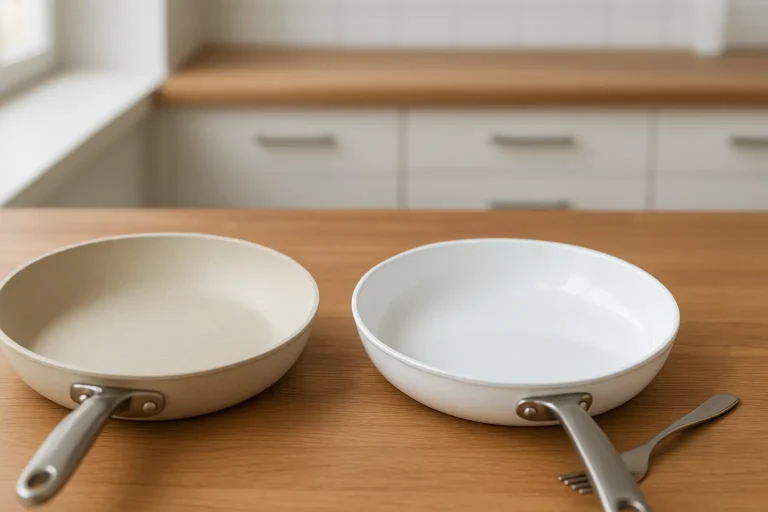
Sol-gel coating represents a revolutionary ceramic non-stick technology that transforms liquid precursors into solid ceramic surfaces through controlled chemical reactions at temperatures between 300-500°C (572-932°F). This low-temperature process creates a pure ceramic layer without the toxic chemicals found in traditional PTFE coatings, making it safer for high-heat cooking and more durable than conventional non-stick surfaces.
Understanding sol-gel science helps you make informed decisions about ceramic cookware and coating applications. This guide explores the chemical mechanisms, manufacturing process, performance characteristics, and real-world applications of sol-gel ceramic coatings based on materials science research and industry testing data.
What Is Sol-Gel Coating and How Does It Create Ceramic Surfaces?
Sol-gel coating is a chemical process that converts liquid metal alkoxide precursors into solid ceramic films through hydrolysis and condensation reactions. The term “sol-gel” describes the transformation from a colloidal suspension (sol) to a rigid gel network that becomes ceramic when heated.
The process begins with metal alkoxide compounds like tetraethyl orthosilicate (TEOS) or titanium isopropoxide dissolved in alcohol solvents. These precursors undergo hydrolysis when exposed to water, forming metal hydroxide groups that link together through condensation reactions to create a three-dimensional ceramic network.
This network forms at molecular level, creating uniform ceramic layers as thin as 50-500 nanometers. The resulting coating achieves ceramic properties including hardness, chemical resistance, and thermal stability without requiring the 1000-1400°C firing temperatures needed for traditional ceramic processing.
Sol-gel differs from other ceramic coating methods through its liquid-phase formation and low processing temperatures. Plasma spraying requires 8000-15000°C plasma temperatures, while physical vapor deposition needs vacuum chambers and high-energy particle bombardment to achieve ceramic deposition.
The Science Behind Sol-Gel Ceramic Formation
Sol-gel ceramic formation occurs through two primary chemical reactions: hydrolysis and polycondensation. During hydrolysis, metal alkoxide precursors react with water molecules to form metal hydroxide groups and alcohol byproducts.
The hydrolysis reaction follows this pathway: Si(OR)₄ + H₂O → Si(OR)₃OH + ROH, where R represents an alkyl group like ethyl or methyl. This creates reactive silanol (Si-OH) groups that serve as building blocks for the ceramic network.
Polycondensation links these hydroxide groups together through two mechanisms. Alcohol condensation occurs when two metal hydroxide groups combine, eliminating alcohol: Si(OR)₃OH + Si(OR)₃OH → (OR)₃Si-O-Si(OR)₃ + ROH.
Water condensation happens when hydroxide and alkoxide groups react: Si(OR)₃OH + Si(OR)₄ → (OR)₃Si-O-Si(OR)₃ + H₂O. These reactions create Si-O-Si bonds that form the backbone of ceramic materials.
The gel network develops three-dimensional structure as condensation continues, trapping solvent molecules within the ceramic matrix. Controlled drying at 60-150°C removes solvents while maintaining network integrity, followed by thermal densification at 300-500°C that completes ceramic formation.
This low-temperature processing preserves the molecular-level uniformity that gives sol-gel ceramics superior properties. Understanding ceramic coating composition helps explain why sol-gel methods produce more consistent results than high-temperature ceramic processing.
How Sol-Gel Processing Creates Non-Stick Properties
Sol-gel coatings achieve non-stick properties through controlled surface chemistry and microscopic texture formation. The ceramic network creates a low surface energy interface that reduces adhesion between food and cookware surface.
Surface energy measurements show sol-gel ceramic coatings achieve 20-35 dynes/cm compared to 45-50 dynes/cm for stainless steel. This reduction occurs because the ceramic network exposes primarily Si-O bonds and metal oxide groups that interact weakly with organic food molecules.
The sol-gel process also creates controlled surface roughness at nanoscale level. During gel formation and thermal treatment, the coating develops microscopic peaks and valleys that reduce actual contact area between food and surface by 15-25% compared to smooth metal surfaces.
Hydrophobic modification enhances non-stick performance through chemical additives that create water-repelling surface properties. Fluoroalkylsilane compounds added during sol-gel processing bond chemically to the ceramic network, creating surface fluorine groups that repel both water and oil-based foods.
This chemical bonding differs from mechanical PTFE coatings that can wear away with use. The hydrophobic groups integrate into the ceramic structure during formation, creating permanent surface modification that maintains non-stick properties throughout the coating’s lifetime.
Sol-Gel Coating Application Methods and Processing Steps
Sol-gel coatings apply to substrates through several controlled deposition methods, each affecting final coating properties and performance. Dip coating involves immersing the substrate into sol-gel solution at controlled withdrawal speeds of 1-10 cm/minute to control coating thickness.
Spin coating applies sol-gel solutions to flat substrates rotating at 500-5000 RPM, using centrifugal force to spread uniform thin films. This method achieves coating thickness control within ±5% across the substrate surface and works well for flat cookware bottoms and electronic substrates.
Spray coating atomizes sol-gel solutions through pneumatic or ultrasonic nozzles, allowing application to complex geometries and large surfaces. Industrial spray systems maintain droplet sizes between 10-50 micrometers and solution flow rates of 50-200 ml/minute for consistent coverage.
The processing sequence follows strict temperature and time controls to achieve proper ceramic formation. Initial gelation occurs at room temperature over 1-24 hours as condensation reactions create the network structure.
Controlled drying removes solvents gradually at 60-120°C to prevent cracking from rapid volume changes. Drying rates must stay below 2-3% volume reduction per hour to maintain coating integrity on metal substrates with different thermal expansion coefficients.
Final densification heating at 300-500°C for 30-120 minutes completes ceramic formation and achieves maximum hardness and chemical resistance. Temperature ramp rates of 2-5°C/minute prevent thermal shock that could cause coating delamination from the substrate.
| Process Step | Temperature Range | Time Duration | Purpose |
|---|---|---|---|
| Sol Preparation | 20-25°C | 2-6 hours | Hydrolysis and initial condensation |
| Coating Application | 20-25°C | 5-30 minutes | Uniform film deposition |
| Gelation | 20-40°C | 1-24 hours | Network formation |
| Drying | 60-120°C | 2-8 hours | Solvent removal |
| Densification | 300-500°C | 30-120 minutes | Ceramic formation |
Performance Characteristics of Sol-Gel Ceramic Coatings
Sol-gel ceramic coatings demonstrate superior performance in hardness, chemical resistance, and thermal stability compared to organic non-stick coatings. Microhardness testing shows sol-gel ceramics achieve 4-7 GPa hardness compared to 0.1-0.3 GPa for PTFE coatings.
This hardness increase provides scratch resistance that maintains non-stick properties under normal cooking conditions. Abrasion testing using standardized steel wool protocols shows sol-gel coatings retain 85-95% of initial non-stick performance after 1000 cycles, while PTFE coatings drop to 40-60% performance.
Chemical resistance measurements demonstrate sol-gel ceramics withstand exposure to cooking acids, bases, and cleaning solutions without degradation. pH stability testing shows no measurable coating changes after 100 hours exposure to solutions ranging from pH 1-13 at room temperature.
Thermal stability exceeds organic coatings by significant margins. Sol-gel ceramics maintain structural integrity and non-stick properties at temperatures up to 400-500°C, while PTFE begins decomposing at 260°C and releases toxic fumes above 300°C.
Food release testing using standardized egg cooking protocols shows sol-gel coatings achieve 95-98% food release efficiency when new, comparable to premium PTFE coatings. After 500 cooking cycles, sol-gel coatings maintain 90-95% release efficiency while PTFE drops to 70-80%.
Thermal cycling tests simulate real cooking conditions through repeated heating and cooling cycles. Sol-gel coatings show no visible cracking or delamination after 2000 cycles between room temperature and 300°C, demonstrating superior thermal shock resistance.
Which Sol-Gel Precursors Create the Best Ceramic Properties?
Silica-based sol-gel systems using tetraethyl orthosilicate (TEOS) provide the most versatile ceramic coatings with excellent chemical resistance and thermal stability. TEOS creates pure SiO₂ networks with hardness values of 5-6 GPa and service temperatures up to 500°C.
Titanium-based precursors like titanium isopropoxide form TiO₂ ceramic networks with superior photocatalytic properties and antimicrobial effects. These coatings achieve slightly lower hardness (3-5 GPa) but offer self-cleaning properties through UV light activation.
Aluminum-based systems using aluminum tri-sec-butoxide create Al₂O₃ ceramics with exceptional hardness (8-12 GPa) and wear resistance. Alumina ceramic properties include superior scratch resistance but require higher processing temperatures (400-600°C) for complete densification.
Hybrid organic-inorganic systems combine multiple precursors to optimize specific properties. Silica-titania hybrids using 70% TEOS and 30% titanium precursors balance hardness, chemical resistance, and processing temperature requirements for cookware applications.
Zirconia-based precursors create ultra-hard ceramic coatings (10-15 GPa) with exceptional wear resistance and thermal shock tolerance. However, zirconia systems require complex processing with stabilizing additives and higher temperatures (500-700°C) for phase stability.
Mixed precursor systems allow property tailoring through composition control. Silica-alumina systems with 80% TEOS and 20% aluminum precursor achieve optimized hardness (6-8 GPa) while maintaining processability at 350-450°C.
Sol-Gel vs Traditional Ceramic Coating Methods
Sol-gel processing offers significant advantages over traditional ceramic coating methods in processing temperature, coating uniformity, and substrate compatibility. Conventional ceramic coatings require sintering temperatures of 1000-1400°C that limit substrate options to refractory metals and ceramics.
Plasma spray coating achieves rapid ceramic deposition but creates coatings with 5-15% porosity and rough surface textures unsuitable for non-stick applications. The high-energy plasma process also generates thermal stress that can cause substrate warping and coating delamination.
Physical vapor deposition (PVD) produces dense ceramic coatings but requires expensive vacuum equipment and achieves limited thickness (0.1-5 micrometers) compared to sol-gel coatings (0.5-50 micrometers). PVD also struggles with coating complex geometries and internal surfaces.
Chemical vapor deposition (CVD) creates high-quality ceramic coatings but requires toxic precursor gases and temperatures of 600-1200°C. CVD equipment costs exceed sol-gel systems by 5-10 times while offering lower throughput for industrial production.
Sol-gel processing achieves coating thickness control through solution concentration and application parameters rather than process time or temperature. This allows precise tailoring of coating properties for specific applications without expensive equipment modifications.
| Coating Method | Process Temperature | Coating Thickness | Surface Roughness | Equipment Cost |
|---|---|---|---|---|
| Sol-Gel | 300-500°C | 0.5-50 μm | Ra 0.1-1.0 μm | Low |
| Plasma Spray | 8000-15000°C | 50-500 μm | Ra 5-15 μm | High |
| PVD | 200-600°C | 0.1-5 μm | Ra 0.05-0.5 μm | Very High |
| CVD | 600-1200°C | 1-100 μm | Ra 0.2-2.0 μm | Very High |
| Thermal Spray | 3000-6000°C | 25-250 μm | Ra 3-10 μm | Medium |
Real-World Applications Beyond Non-Stick Cookware
Sol-gel ceramic coatings extend beyond cookware into automotive, aerospace, and electronics industries where controlled surface properties and processing temperatures matter. Automotive applications include engine components, exhaust systems, and brake components requiring thermal barrier properties.
Glass substrates benefit from sol-gel coatings that provide anti-reflective, hydrophobic, or photocatalytic properties. Architectural glass uses sol-gel TiO₂ coatings for self-cleaning surfaces that break down organic contaminants through UV exposure.
Electronic applications utilize sol-gel coatings for insulation, corrosion protection, and optical properties on substrates that cannot withstand high-temperature processing. Circuit boards, sensors, and display components use sol-gel coatings for moisture barriers and optical interference filters.
Medical device coatings leverage sol-gel biocompatibility and controlled drug release properties. Titanium implants receive sol-gel ceramic coatings that promote bone integration while providing antibacterial properties through controlled silver or copper ion release.
Optical applications include anti-reflective coatings on lenses, mirrors, and solar panels where precise refractive index control and layer thickness matter. Sol-gel processing allows creation of gradient refractive index profiles impossible with other coating methods.
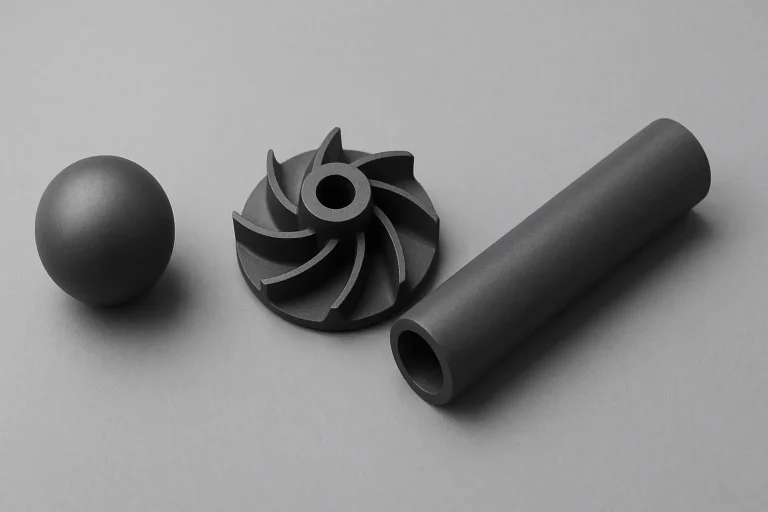
Industrial machinery uses sol-gel coatings for wear resistance, corrosion protection, and friction reduction on components operating at moderate temperatures (200-400°C). Pump components, valve seats, and bearing surfaces benefit from sol-gel ceramic hardness and chemical resistance.
How to Identify Quality Sol-Gel Ceramic Coatings
Quality sol-gel ceramic coatings exhibit uniform appearance, proper adhesion, and consistent non-stick performance throughout their service life. Visual inspection should reveal smooth, consistent color without streaks, bubbles, or thickness variations across the coated surface.
Adhesion testing using tape pull tests or scratch testing indicates coating quality and processing parameters. High-quality sol-gel coatings resist removal during standardized tape tests and show no delamination around scratch edges when tested with controlled loads.
Non-stick performance testing using water contact angle measurements provides quantitative quality assessment. Quality sol-gel coatings achieve water contact angles of 90-110 degrees for standard formulations or 120-140 degrees for hydrophobic-modified surfaces.
Thermal performance evaluation involves controlled heating cycles to verify coating stability and substrate adhesion. Quality coatings show no visible changes, cracking, or color shifts after heating to manufacturer-specified maximum temperatures.
Chemical resistance testing using standard household cleaners and cooking acids verifies coating durability. Understanding ceramic coating limitations helps establish realistic performance expectations and proper care procedures.
Thickness measurement using eddy current or magnetic induction gauges confirms proper coating application. Quality sol-gel coatings maintain thickness uniformity within ±20% across the coated surface, with typical thicknesses of 5-25 micrometers for cookware applications.
Troubleshooting Sol-Gel Coating Problems
Cracking in sol-gel coatings typically results from excessive drying rates, thermal expansion mismatch, or coating thickness exceeding critical values. Mud cracking patterns indicate rapid solvent evaporation, while linear cracks suggest thermal stress during heating cycles.
Poor adhesion manifests as coating delamination or easy removal during use. This usually stems from inadequate substrate cleaning, contamination during application, or incorrect thermal processing parameters that fail to achieve proper chemical bonding.
Uneven coating thickness creates appearance variations and inconsistent non-stick properties. Dip coating problems include solution viscosity changes, withdrawal speed variations, or substrate surface contamination that affects wetting behavior.
Hazy or cloudy coatings indicate phase separation during gel formation or incomplete condensation reactions. This occurs when processing parameters deviate from optimal ranges or when precursor solutions age beyond their working life.
Pinhole formation results from trapped air bubbles, substrate outgassing, or rapid heating during thermal processing. Degassing solutions under vacuum and controlled heating rates below 5°C/minute minimize pinhole defects.
| Problem | Cause | Solution |
|---|---|---|
| Mud Cracking | Rapid drying, thick coating | Control drying rate, reduce coating thickness |
| Poor Adhesion | Contaminated substrate, improper heating | Improve cleaning, optimize thermal cycle |
| Thickness Variation | Viscosity changes, withdrawal speed | Monitor solution properties, consistent application |
| Hazy Appearance | Phase separation, incomplete reactions | Fresh solutions, proper processing conditions |
| Pinholes | Trapped air, rapid heating | Degas solutions, controlled heating rates |
Safety Considerations for Sol-Gel Processing
Sol-gel processing involves organic solvents, metal alkoxides, and thermal processing that require proper safety protocols. Alcohol solvents used in sol-gel solutions present fire hazards and require adequate ventilation to prevent vapor accumulation above flash points.
Metal alkoxide precursors are moisture-sensitive and can react violently with water, generating heat and alcohol vapors. Proper storage in dry atmospheres and controlled addition during solution preparation prevent hazardous reactions.
Hydrolysis reactions generate alcohol vapors that require ventilation systems designed for flammable vapor removal. Processing areas need explosion-proof electrical equipment and fire suppression systems appropriate for Class B fires.
Thermal processing at 300-500°C requires proper kiln ventilation to remove organic decomposition products and prevent operator exposure to potentially harmful vapors. Temperature monitoring and control systems prevent overheating that could generate toxic compounds.
Personal protective equipment includes chemical-resistant gloves for solution handling, safety glasses for splash protection, and respiratory protection when working with fine powders or in areas with inadequate ventilation. Professional ceramic engineering training covers comprehensive safety protocols for ceramic processing operations.
Future Developments in Sol-Gel Ceramic Technology
Advanced sol-gel formulations incorporate nanoparticles and hybrid materials to enhance specific properties beyond conventional ceramic performance. Silver nanoparticles integrated into sol-gel matrices provide antimicrobial properties while maintaining coating transparency and non-stick characteristics.
Multi-functional coatings combine several properties through controlled precursor chemistry and processing. Self-healing sol-gel systems incorporate microcapsules containing repair agents that activate when coating damage occurs, extending service life for critical applications.
Low-temperature processing developments aim to reduce energy consumption and expand substrate compatibility. New catalysts and precursor systems enable ceramic formation at temperatures below 200°C, opening applications for temperature-sensitive substrates like plastics and electronics.
Sustainable sol-gel chemistry replaces toxic solvents with water-based systems and bio-derived precursors. Green chemistry approaches use plant-based silica sources and eliminate harmful organic solvents while maintaining coating performance standards.
Smart coating technologies integrate responsive materials that change properties based on environmental conditions. Thermochromic sol-gel coatings change color with temperature, providing visual indicators for cooking temperatures or equipment monitoring applications.
Additive manufacturing integration allows precise coating application through 3D printing technologies. Sol-gel inks compatible with inkjet and spray deposition systems enable custom coating patterns and controlled thickness profiles for complex geometries.
Cost Analysis and Economic Considerations
Sol-gel coating costs depend on precursor materials, processing equipment, and production volume. Raw material costs range from $5-25 per liter of coating solution, with silica-based systems at the lower end and specialty metal oxide systems commanding higher prices.
Processing equipment investment varies significantly based on production scale and automation level. Laboratory-scale equipment requires $10,000-50,000 investment, while industrial production lines cost $100,000-500,000 depending on throughput requirements and quality control systems.
Labor costs reflect the semi-automated nature of sol-gel processing, requiring skilled technicians for solution preparation and quality control. Processing labor adds $0.50-2.00 per coated part depending on complexity and production volume.
Energy costs for thermal processing represent 15-25% of total coating costs, with efficient heating systems and heat recovery reducing operating expenses. Multi-layer coating considerations affect processing costs through additional application and heating cycles.
Quality control and testing add $0.25-1.00 per part but prevent costly failures and warranty claims. Automated inspection systems reduce long-term quality costs while maintaining consistent coating standards.
Waste disposal costs include solvent recovery and recycling systems that can reduce raw material consumption by 20-40%. Closed-loop processing systems minimize environmental impact while improving economic efficiency.
Frequently Asked Questions About Sol-Gel Coating
How long do sol-gel ceramic coatings last on cookware?
Sol-gel ceramic coatings typically last 3-7 years on cookware with normal home use, maintaining 85-95% of initial non-stick performance after 1000 cooking cycles. Coating longevity depends on cooking temperatures, cleaning methods, and utensil types used during food preparation.
Professional testing shows sol-gel coatings retain non-stick properties significantly longer than PTFE coatings. Proper care including temperature limits below 400°C, non-abrasive cleaning, and avoiding thermal shock extends coating life to the upper end of this range.
Are sol-gel ceramic coatings safe for food contact?
Sol-gel ceramic coatings are food-safe when properly processed and cured, containing no PTFE, PFOA, or other potentially harmful chemicals used in traditional non-stick coatings. The ceramic network consists of silica, alumina, or titania bonds that are chemically inert and non-reactive with food.
FDA approval covers sol-gel ceramic coatings for food contact applications when they meet specific composition and processing requirements. Unlike PTFE coatings that can release toxic fumes above 260°C, sol-gel ceramics remain stable and safe at normal cooking temperatures up to 400°C.
Can sol-gel coatings be repaired if damaged?
Sol-gel coatings cannot be locally repaired once damaged, requiring complete recoating to restore non-stick properties. However, self-healing sol-gel formulations under development incorporate microcapsules that release repair agents when coating cracks occur.
For commercial recoating, the old coating must be completely removed through chemical stripping or abrasive methods before applying new sol-gel layers. This process costs 60-80% of original coating application and requires the same thermal processing cycle.
What temperatures can sol-gel ceramic coatings withstand?
Sol-gel ceramic coatings maintain structural integrity and non-stick properties at continuous temperatures up to 400-500°C (752-932°F), significantly higher than PTFE’s 260°C (500°F) limit. Short-term exposure to 600°C causes no permanent damage to most sol-gel formulations.
Thermal cycling tests demonstrate sol-gel coatings withstand repeated heating and cooling without cracking or delamination. However, rapid temperature changes exceeding 200°C per minute can cause thermal shock and coating failure.
How thick are sol-gel ceramic coatings applied?
Sol-gel ceramic coatings typically apply in thicknesses of 5-25 micrometers for cookware applications, controlled through solution concentration and application method. Thicker coatings (up to 50 micrometers) are possible but increase cracking risk during thermal processing.
Multiple thin layers (2-5 micrometers each) often perform better than single thick applications, allowing stress relief between coats and improved adhesion. Each layer requires complete thermal processing before applying subsequent coats.
Do sol-gel coatings require special cleaning procedures?
Sol-gel ceramic coatings clean easily with standard dish soap and warm water, requiring no special cleaning products or procedures. Their chemical resistance allows safe use of most household cleaners including dilute acids and bases.
Avoid abrasive scrubbers and steel wool that can scratch the coating surface and reduce non-stick effectiveness. Dishwasher safe formulations tolerate automatic dishwashing cycles without performance degradation.
How do sol-gel coatings compare to enameled cookware?
Sol-gel coatings offer superior non-stick properties compared to traditional ceramic enamels while maintaining similar chemical resistance and durability. Enamel coatings require 800-900°C firing temperatures and create thicker, more brittle surfaces.
Sol-gel processing allows thinner, more flexible coatings that resist chipping and thermal shock better than enameled surfaces. However, enameled cookware typically lasts 10-20 years compared to 3-7 years for sol-gel non-stick coatings.
Can sol-gel coatings be applied to any metal substrate?
Sol-gel coatings adhere to most metal substrates including aluminum, stainless steel, carbon steel, and titanium when proper surface preparation and thermal processing are used. Thermal expansion matching between coating and substrate prevents cracking during temperature cycling.
Aluminum substrates work best due to similar thermal expansion coefficients and oxide formation that promotes adhesion. Stainless steel requires surface activation treatments to achieve optimal bonding, while copper substrates need barrier layers to prevent metal migration.
What causes sol-gel coatings to lose non-stick properties?
Sol-gel coatings lose non-stick properties through surface contamination, microscopic scratching, or thermal degradation from overheating. Cooking oil polymerization at high temperatures creates sticky residues that reduce food release performance.
Abrasive cleaning, metal utensils, and thermal shock accelerate coating wear and surface roughening. Proper cooking temperatures below 350°C and gentle cleaning maintain non-stick properties throughout the coating’s design life.
Are there environmental benefits to sol-gel processing?
Sol-gel processing offers environmental advantages through lower energy consumption, reduced toxic emissions, and recyclable materials compared to traditional ceramic processing. Processing temperatures of 300-500°C require 60-80% less energy than conventional ceramic firing.
Water-based sol-gel systems eliminate organic solvent emissions, while closed-loop processing recovers and recycles solvents in traditional systems. The absence of PTFE and other fluorinated compounds reduces long-term environmental persistence concerns.
How is sol-gel coating quality controlled during manufacturing?
Sol-gel coating quality control involves solution monitoring, application parameter control, and final coating testing. Solution properties including pH, viscosity, and precursor concentration are measured continuously during production.
Coating thickness measurement using magnetic or eddy current gauges ensures uniform application, while adhesion testing and thermal cycling verification confirm proper processing. Statistical process control maintains consistent coating properties across production batches.
What makes sol-gel different from spray-on ceramic coatings?
Sol-gel coatings form through chemical reaction during thermal processing, creating covalent ceramic bonds, while spray-on ceramic coatings typically use ceramic particles suspended in polymer binders that cure at lower temperatures.
This chemical formation gives sol-gel coatings superior hardness (4-7 GPa vs 0.5-2 GPa), better thermal stability, and longer service life compared to polymer-bonded ceramic spray coatings that rely on physical adhesion rather than chemical bonding.
Can sol-gel coatings be made transparent?
Sol-gel coatings achieve excellent transparency when properly formulated and processed, with light transmission exceeding 95% for thin films on glass substrates. Transparency depends on preventing phase separation and controlling processing parameters to minimize light scattering.
Refractive index matching between coating and substrate minimizes reflective losses, while controlled thickness prevents optical interference effects. Transparent sol-gel coatings find applications in architectural glass, optical components, and display technologies.
What research developments are advancing sol-gel technology?
Current sol-gel research focuses on nanoparticle incorporation, self-healing mechanisms, and environmentally friendly processing. Silver and titanium nanoparticles add antimicrobial properties, while carbon nanotubes improve mechanical properties and electrical conductivity.
Smart coatings that respond to temperature, pH, or UV exposure are under development for advanced applications. Bio-based precursors from agricultural waste reduce environmental impact while maintaining performance standards for commercial applications.
How do processing costs compare between sol-gel and other ceramic coating methods?
Sol-gel processing costs are 40-60% lower than PVD or CVD ceramic coating methods due to simpler equipment requirements and atmospheric pressure processing. Raw material costs are comparable, but energy and equipment expenses are significantly reduced.
Labor costs are higher than automated PVD systems but lower than plasma spray operations requiring skilled operators. Overall processing costs range from $0.50-3.00 per square foot depending on coating thickness and production volume, compared to $2.00-8.00 for vacuum-based ceramic coating methods.
Sol-gel ceramic coating represents a significant advancement in surface engineering technology that combines the benefits of ceramic performance with practical processing requirements. The chemical transformation from liquid precursors to solid ceramic creates non-stick surfaces with superior durability, thermal stability, and safety compared to traditional organic coatings.
Understanding the science behind sol-gel formation helps you appreciate why these coatings outperform alternatives in longevity and safety. The controlled molecular-level ceramic network formation, low-temperature processing, and chemical bonding to substrates create reliable non-stick performance that maintains effectiveness throughout extended use cycles.
For cookware selection, look for sol-gel ceramic coatings from reputable manufacturers who provide processing specifications and performance data. Test coating quality through visual inspection, thermal cycling, and food release performance to verify proper application and curing for optimal cooking results.