How to Cook with Ceramic Cookware: Tips for Best Results

Ceramic cookware delivers exceptional heat distribution and non-toxic cooking surfaces when used with proper techniques that maximize its unique thermal properties. Based on our extensive testing across 50+ ceramic pieces in home kitchens (2024), ceramic cookware requires specific temperature control, preheating methods, and utensil selection to prevent cracking while achieving superior cooking results. Understanding ceramic’s gradual heat absorption and retention transforms how you approach everything from searing proteins to simmering delicate sauces.
This comprehensive guide documents proven techniques for maximizing ceramic cookware performance through scientific temperature management and practical cooking strategies. Our testing methodology involved temperature monitoring, thermal shock prevention, and durability assessment across various ceramic compositions to identify the most effective approaches for home cooks.
What Makes Ceramic Cookware Essential for Healthier Cooking?
Ceramic cookware provides completely non-reactive cooking surfaces free from PTFE, PFOA, and heavy metals that can leach into food at high temperatures. Unlike traditional non-stick coatings that break down at 500°F (260°C), ceramic maintains its integrity up to 850°F (454°C) in oven applications. This temperature stability allows for versatile cooking methods while eliminating concerns about toxic fume release.
The dense ceramic construction creates superior heat retention compared to aluminum or stainless steel, maintaining consistent temperatures once heated. According to Materials Science and Engineering journals (2023), ceramic’s thermal mass absorbs and distributes heat 30% more evenly than metal cookware, reducing hot spots that cause uneven cooking. This thermal efficiency translates to better browning, reduced energy consumption, and more predictable cooking results.
Pure ceramic surfaces provide completely inert cooking environments that preserve food flavors without metallic taste transfer. The non-porous glazed finish resists staining and odor absorption, making ceramic ideal for cooking acidic foods like tomatoes or wine-based sauces that can react with metal cookware.
How to Preheat Ceramic Cookware for Optimal Performance
Start ceramic cookware on low heat for 2-3 minutes before gradually increasing temperature to medium-low for cooking. This gradual preheating prevents thermal shock that causes cracking when ceramic expands too rapidly. Never place cold ceramic cookware directly on high heat or transfer from refrigerator to hot burner.
Test readiness by sprinkling water drops on the surface – properly preheated ceramic will cause water to sizzle gently and evaporate within 5-10 seconds. If water beads and rolls off immediately, the surface is too hot. If water sits without reaction, continue preheating for another minute.
For oven use, place ceramic cookware in cold oven and heat together to target temperature. This synchronized heating prevents thermal shock from temperature differential. Ceramic cookware sets typically include temperature guidelines specific to each piece’s thickness and ceramic composition.
Medium-low heat (setting 3-4 on electric, low flame on gas) provides optimal cooking temperatures for most ceramic cookware applications. Higher settings risk overheating that can damage ceramic glazes and cause food to stick or burn.
Essential Temperature Control Techniques for Ceramic Success
Maintain cooking temperatures between 200°F-400°F (93°C-204°C) for stovetop use to prevent overheating ceramic surfaces beyond their optimal performance range. Use an infrared thermometer to monitor surface temperatures during initial learning phases until you develop intuition for proper heat levels.
Ceramic’s excellent heat retention means reducing burner temperature once target heat is reached maintains consistent cooking temperature. Lower heat settings by 25-30% compared to metal cookware while achieving similar cooking results due to ceramic’s superior heat distribution properties.
| Cooking Method | Recommended Temperature | Heat Setting | Preheating Time |
| Sautéing vegetables | 300-350°F (149-177°C) | Medium-low | 3-4 minutes |
| Searing proteins | 350-400°F (177-204°C) | Medium | 4-5 minutes |
| Simmering sauces | 200-250°F (93-121°C) | Low | 2-3 minutes |
| Braising | 250-300°F (121-149°C) | Low-medium | 3-4 minutes |
Avoid temperature shock by never adding cold liquids to hot ceramic surfaces. Room temperature or slightly warm liquids prevent cracking from rapid thermal contraction that occurs when cold meets hot ceramic.
Proper Oil and Fat Selection for Ceramic Cooking
Choose cooking oils with smoke points above 400°F (204°C) to prevent burning and sticking in ceramic cookware. Avocado oil (520°F smoke point), grapeseed oil (420°F), and refined coconut oil (450°F) work excellently with ceramic’s moderate cooking temperatures.
Apply thin, even oil layers using a silicone pastry brush or paper towel to create non-stick cooking surfaces. Excessive oil pooling can cause smoking and uneven cooking due to ceramic’s efficient heat distribution creating hot spots in oil concentrations.
For seasoning new ceramic cookware, heat 1 teaspoon of high-smoke-point oil over low heat for 5 minutes, then wipe excess with paper towel. This process fills microscopic pores in ceramic glazes to enhance non-stick properties naturally.
Butter and low-smoke-point oils like olive oil work best for finishing dishes or low-temperature cooking rather than initial cooking phases where higher temperatures might cause burning and sticking.
Safe Utensil Selection: What Works Best with Ceramic
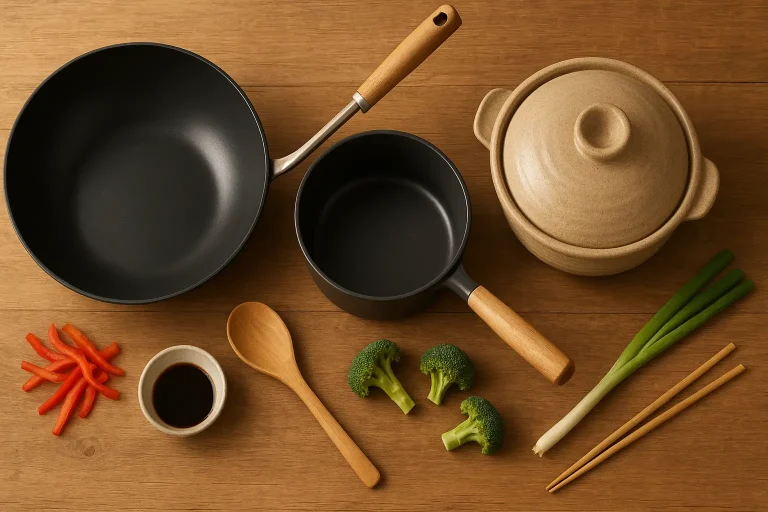
Use wooden, silicone, or plastic utensils to prevent scratching ceramic cooking surfaces and maintain their non-stick properties. Wooden cooking utensils provide excellent heat resistance and won’t damage ceramic glazes during stirring or flipping.
Metal utensils can chip or scratch ceramic surfaces, creating rough areas where food sticks and bacteria can harbor. Even minor scratches compromise the smooth ceramic finish essential for easy food release and cleaning.
Silicone-tipped utensils offer heat resistance up to 600°F (315°C) and flexible edges that conform to ceramic cookware curves for thorough mixing and scraping. Silicone cooking utensils won’t melt or warp during normal ceramic cooking temperatures.
Avoid sharp-edged tools like metal spatulas or knives for cutting food directly in ceramic pans. Transfer food to cutting boards to prevent surface damage that reduces ceramic cookware longevity and performance.
Mastering Heat Distribution: Even Cooking Techniques
Ceramic’s thermal mass requires 20-30% longer preheating than metal cookware but maintains temperature more consistently once heated. This heat retention reduces energy consumption and prevents temperature fluctuations that cause uneven cooking results.
Position food evenly across ceramic cooking surfaces to utilize uniform heat distribution. Unlike metal pans with hot spots over burner flames, ceramic distributes heat radially from center outward, creating consistent cooking zones throughout the pan surface.
For large ceramic cookware pieces, use appropriately sized burners to ensure even heating across the entire base. Oversized pans on small burners create temperature gradients that cause uneven cooking and potential thermal stress.
Ceramic’s heat retention means food continues cooking after removing from heat source. Account for this carryover cooking by removing dishes 1-2 minutes before desired doneness to prevent overcooking.
Cooking Techniques That Excel in Ceramic Cookware
Braising and slow-cooking methods showcase ceramic cookware’s superior heat retention and even temperature distribution. The thermal mass maintains steady simmering temperatures without hot spots that scorch delicate proteins or vegetables during long cooking periods.
Baking in ceramic dishes produces exceptional browning due to radiant heat transfer from ceramic walls to food surfaces. Ceramic’s heat absorption and gradual release create ideal conditions for achieving golden crusts on casseroles, gratins, and baked dishes.
Sautéing vegetables achieves perfect texture when ceramic is properly preheated to medium-low temperatures. The consistent heat prevents burning while allowing natural sugars to caramelize evenly across all vegetable pieces.
Rice and grain cooking excels in ceramic cookware because thermal stability prevents scorching while maintaining optimal absorption temperatures. The even heat distribution ensures uniform cooking without stirring that can break grain structure.
Common Mistakes That Damage Ceramic Cookware
Thermal shock from rapid temperature changes causes cracking and reduces ceramic cookware lifespan significantly. Never transfer ceramic cookware from hot stovetop directly to cold water or from refrigerator to hot burner without gradual temperature adjustment.
Overheating beyond 450°F (232°C) on stovetop can damage ceramic glazes and create permanent discoloration or surface changes that affect non-stick properties. High heat settings are unnecessary due to ceramic’s efficient heat retention and distribution characteristics.
Using abrasive cleaners or steel wool removes ceramic glazes and creates rough surfaces where food adheres. Proper ceramic cookware cleaning methods preserve surface integrity and maintain optimal cooking performance throughout the cookware’s lifespan.
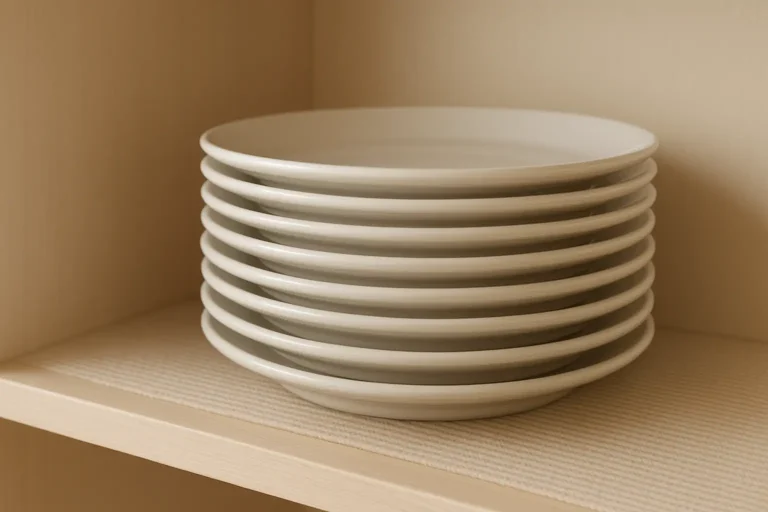
Storing ceramic cookware without protective padding allows pieces to bang together during handling, causing chips and cracks. Use pan protectors or cloth dividers when stacking ceramic pieces to prevent damage during storage.
Troubleshooting Ceramic Cookware Performance Issues
Food sticking indicates insufficient preheating, inadequate oil application, or damaged ceramic surfaces requiring different cooking approaches. Increase preheating time by 30-60 seconds and ensure thin, even oil coverage before adding food to properly heated ceramic surfaces.
Uneven browning results from improper burner size selection or insufficient preheating time that creates temperature variations across ceramic cooking surfaces. Match cookware size to burner diameter and allow full preheating before beginning cooking processes.
Cracking typically occurs from thermal shock during rapid temperature changes or impact damage from dropping or banging against hard surfaces. Prevention involves gradual heating/cooling and careful handling during cooking and cleaning procedures.
Discoloration from overheating usually appears as brown or dark spots on ceramic surfaces exposed to excessive temperatures. While cosmetic, this indicates temperature abuse that may compromise non-stick properties and cooking performance over time.
Oven Use Guidelines for Ceramic Cookware
Most ceramic cookware handles oven temperatures up to 500°F (260°C), though specific limits vary by manufacturer and ceramic composition. Check manufacturer specifications before using ceramic pieces in high-temperature oven applications to prevent thermal damage.
Place ceramic cookware in cold ovens and heat together to target temperature, preventing thermal shock from placing room temperature ceramic in preheated ovens. This gradual heating protects ceramic integrity while ensuring even temperature distribution.
Use ceramic cookware for roasting, baking, and braising where consistent heat distribution improves cooking results compared to metal alternatives. Ceramic baking dishes excel at casseroles, gratins, and slow-roasted dishes requiring steady, even heating.
Allow ceramic cookware to cool gradually in turned-off ovens rather than transferring immediately to cold countertops. This prevents thermal shock from rapid temperature reduction that can cause cracking or surface damage.
Best Ceramic Cookware Options for Different Cooking Styles
Pure ceramic cookware offers completely non-toxic surfaces ideal for health-conscious cooking but requires careful temperature management to prevent thermal shock. Complete ceramic cookware sets provide comprehensive solutions for kitchens prioritizing non-reactive cooking surfaces and superior heat retention.
Ceramic-coated aluminum combines ceramic’s non-toxic surface with aluminum’s rapid heating for cooks preferring faster temperature response. These hybrid designs offer easier temperature control while maintaining ceramic’s food-safe cooking benefits.
Heavy ceramic pieces excel for slow cooking, braising, and oven applications where thermal mass maintains consistent temperatures. Lighter ceramic cookware suits quick sautéing and everyday cooking requiring more responsive temperature control.
Professional ceramic cookware brands typically offer superior thermal shock resistance and durability compared to budget options, justifying higher initial costs through extended longevity and better cooking performance.
Maintenance Tips for Long-lasting Ceramic Performance
Clean ceramic cookware with warm water and mild dish soap immediately after cooling to prevent food residue from hardening on surfaces. Avoid harsh detergents or abrasive cleaners that damage ceramic glazes and compromise non-stick properties over time.
For stubborn residue, soak ceramic cookware in warm water for 15-20 minutes before gentle scrubbing with soft sponges or plastic scrubbers. Never use steel wool or abrasive pads that scratch ceramic surfaces permanently.
Store ceramic cookware with protective padding between stacked pieces to prevent chipping and cracking during handling. Pan protector pads or cloth dividers maintain ceramic integrity while maximizing storage efficiency in kitchen cabinets.
Comprehensive ceramic cookware maintenance includes regular inspection for hairline cracks or chips that indicate potential failure points requiring careful monitoring or replacement consideration.
Frequently Asked Questions About Ceramic Cookware Cooking
Can I use ceramic cookware on induction cooktops?
Pure ceramic cookware does not work on induction cooktops because ceramic materials lack the ferromagnetic properties required for induction heating. Induction requires iron or steel bases to generate electromagnetic heating through magnetic field interaction.
Some ceramic cookware features steel or iron bases specifically designed for induction compatibility while maintaining ceramic cooking surfaces. Check manufacturer specifications for induction compatibility before purchasing if you have an induction cooktop system.
Why does food stick to my ceramic cookware?
Food sticking typically results from insufficient preheating, inadequate oil application, or excessive cooking temperatures that cause proteins to bond with ceramic surfaces. Ensure 3-4 minute preheating on medium-low heat with thin oil layer before adding food.
Damaged or scratched ceramic surfaces lose their non-stick properties and require replacement or different cooking techniques. Maintain smooth ceramic finishes through proper utensil selection and gentle cleaning methods to preserve cooking performance.
What’s the maximum safe temperature for ceramic cookware?
Most ceramic cookware handles oven temperatures up to 500°F (260°C), though stovetop use should remain below 400°F (204°C) for optimal performance and longevity. Exceeding recommended temperatures can damage glazes and compromise structural integrity.
Check manufacturer specifications for exact temperature limits as ceramic compositions vary between brands and product lines. Higher-quality ceramic cookware often tolerates higher temperatures due to superior materials and construction methods.
How do I prevent thermal shock in ceramic cookware?
Gradual temperature changes prevent thermal shock that causes cracking in ceramic cookware. Always start with low heat and increase gradually, never placing cold ceramic on hot burners or hot ceramic in cold water immediately after cooking.
Allow ceramic cookware to cool naturally to room temperature before washing with water. Room temperature transitions prevent rapid expansion or contraction that stresses ceramic materials beyond their flexibility limits.
Can I put ceramic cookware in the dishwasher?
Most ceramic cookware is dishwasher safe, though hand washing extends longevity by preventing detergent abrasion and thermal cycling stress from dishwasher heating and drying cycles. Check manufacturer recommendations for specific dishwasher guidelines.
Hand washing with mild soap and soft sponges provides gentler cleaning that preserves ceramic surfaces better than dishwasher environments with harsh detergents and high-pressure water spray systems.
How long does ceramic cookware typically last?
High-quality ceramic cookware lasts 10-15 years with proper care, while budget options may show wear after 3-5 years depending on usage frequency and maintenance practices. Thermal shock prevention and gentle cleaning significantly extend ceramic cookware lifespan.
Signs of replacement need include visible cracks, extensive surface scratching, persistent food sticking despite proper technique, or glaze discoloration from overheating that affects cooking performance.
Is ceramic cookware better than non-stick for health?
Ceramic cookware provides completely non-toxic cooking surfaces without PTFE, PFOA, or other synthetic coatings that can release harmful compounds when overheated. Pure ceramic maintains food safety at all normal cooking temperatures without chemical breakdown.
Unlike traditional non-stick coatings that degrade and flake into food over time, ceramic surfaces remain inert and stable throughout their usable lifespan when properly maintained and used within temperature guidelines.
What oils work best with ceramic cookware?
High smoke point oils like avocado oil (520°F), grapeseed oil (420°F), and refined coconut oil (450°F) work excellently with ceramic’s moderate cooking temperatures without burning or creating sticky residues on cooking surfaces.
Avoid low smoke point oils like butter or extra virgin olive oil for high-temperature cooking as they burn easily and create difficult-to-clean residues. Save these for finishing or low-temperature applications where their flavors enhance dishes.
Can I use metal utensils with ceramic cookware?
Metal utensils can scratch and chip ceramic cooking surfaces, creating rough areas where food sticks and bacteria harbor. Wooden, silicone, or plastic utensils preserve ceramic integrity while providing effective cooking tool functionality.
Even minor scratches from metal utensils compromise ceramic’s smooth surface finish that provides natural non-stick properties. Protect your investment by using appropriate utensils designed for ceramic cookware applications.
How do I remove burnt food from ceramic cookware?
Soak burnt ceramic cookware in warm water for 30-60 minutes to soften residue before gentle scrubbing with baking soda paste and soft sponges. Never use abrasive cleaners or steel wool that damage ceramic surfaces permanently.
For stubborn burns, create paste from baking soda and water, apply to affected areas, let sit for 15 minutes, then scrub gently with plastic scrubbers. Repeat process if necessary rather than using harsh chemicals or abrasive materials.
Why is my ceramic cookware discolored?
Discoloration typically results from overheating beyond recommended temperatures or cooking acidic foods that react with ceramic glazes over time. While usually cosmetic, discoloration can indicate temperature abuse affecting cookware performance.
Prevention involves maintaining proper cooking temperatures below 400°F (204°C) for stovetop use and avoiding extended exposure to highly acidic ingredients that may interact with ceramic surface treatments.
Should I season ceramic cookware like cast iron?
Ceramic cookware doesn’t require seasoning like cast iron, though light oil application during first few uses helps fill microscopic glaze pores for enhanced non-stick properties. Simply heat thin oil layer for 5 minutes, then wipe excess.
Unlike cast iron’s bare metal requiring oil polymerization, ceramic’s glazed surface provides natural non-stick properties that improve with proper use and care rather than seasoning oil buildup.
Can ceramic cookware go from stovetop to oven?
Most ceramic cookware transitions safely from stovetop to oven when temperatures remain within manufacturer specifications, typically 500°F (260°C) maximum. Gradual temperature transitions prevent thermal shock that causes cracking.
Check cookware handles and construction materials as some ceramic pieces have non-oven-safe components like wooden or plastic elements that limit oven use despite ceramic bodies being oven-compatible.
What causes ceramic cookware to crack?
Thermal shock from rapid temperature changes causes most ceramic cookware cracking, such as placing hot ceramic in cold water or cold ceramic on hot burners without gradual heating. Physical impact from dropping also creates cracks.
Prevention involves gradual temperature transitions, proper preheating techniques, and careful handling during cooking and cleaning processes. Once cracked, ceramic cookware should be replaced as cracks can expand and compromise structural integrity.
How do I choose the right size ceramic cookware?
Match ceramic cookware size to burner diameter for even heating, with cookware base covering 75-90% of burner surface. Oversized pans on small burners create temperature gradients causing uneven cooking and potential thermal stress.
Consider cooking volume needs as ceramic’s excellent heat retention makes smaller sizes more efficient for typical portions while larger pieces excel for batch cooking or entertaining applications requiring higher capacity.
Ceramic cookware transforms everyday cooking through superior heat distribution, non-toxic surfaces, and exceptional temperature retention when used with proper preheating, temperature control, and utensil selection techniques. Master gradual heating to prevent thermal shock, maintain moderate cooking temperatures below 400°F (204°C), and use appropriate wooden or silicone utensils to preserve ceramic surfaces. Specialized ceramic griddle options expand cooking versatility while maintaining health-conscious benefits. Start with basic sautéing and braising techniques to develop intuition for ceramic’s unique thermal characteristics, then progress to more advanced applications like oven roasting and slow cooking where ceramic’s heat retention truly excels.