Skip to content
  • Home
  • Comparisons
  • Advice
  • Guides
  • Contact
  • Rectified vs Non-Rectified Tile: The Difference and Why It Matters
    Guides

    Rectified vs Non-Rectified Tile: Difference & Why It Matters

    ByS. Laurent Guides

    The clean, modern look of nearly invisible grout lines starts with one decision you make before the tile ever leaves the factory. That decision is choosing rectified tile over standard non-rectified tile. Rectified tile is ceramic or porcelain tile that has been mechanically cut or ground on all edges after firing. This process creates precise,…
    Read More Rectified vs Non-Rectified Tile: Difference & Why It MattersContinue

  • Large Format Ceramic Tile Guide: Advantages Challenges and Tips
    Guides

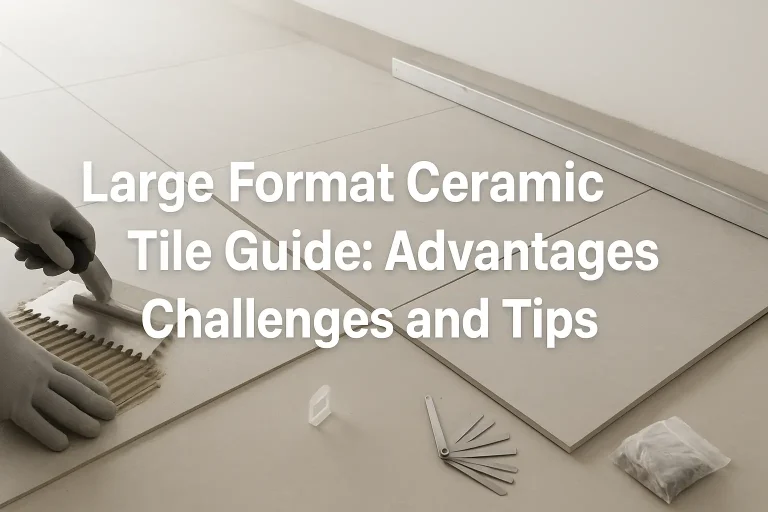
    Large Format Ceramic Tile Guide: Advantages Challenges &Tips

    ByS. Laurent Guides

    Large format ceramic tile is not just a bigger version of standard tile. It demands an entirely different approach to substrate preparation, mortar selection, and installation technique. This guide covers ceramic and porcelain large format tiles ranging from 12×24 inches up to 5×10 feet slab formats, with substrate requirements, leveling system options, cutting methods, layout…

    Read More Large Format Ceramic Tile Guide: Advantages Challenges &TipsContinue

  • Slip-Resistant Ceramic Tile Guide: COF Ratings and Safe Options
    Guides

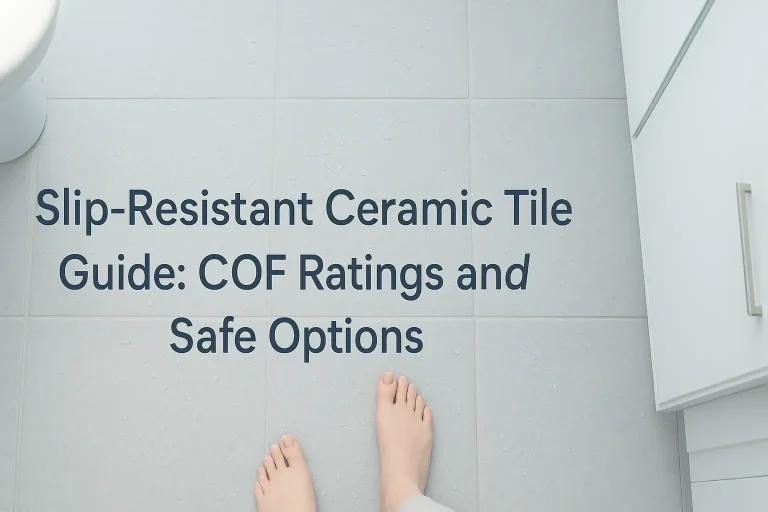
    Slip-Resistant Ceramic Tile Guide: COF Ratings and Safe Options

    ByS. Laurent Guides

    Ceramic tile is not naturally slip-proof. A glossy surface that looks stunning in the showroom can become as slick as ice the moment water hits it, and the resulting fall can change a life in seconds. The single number that predicts this risk is the COF rating. Understanding it before you buy tile is the…

    Read More Slip-Resistant Ceramic Tile Guide: COF Ratings and Safe OptionsContinue

  • Ceramic Tile Water Absorption Ratings: What the Numbers Mean
    Guides

    Ceramic Tile Water Absorption Ratings: What the Numbers Mean

    ByS. Laurent Guides

    Ceramic tile is not waterproof. It absorbs water at rates that decide exactly where you can install it safely, and getting this wrong means cracked tile, mold, or a failed floor. A tile that soaks up too much moisture in a shower will eventually fail. The same tile on a kitchen backsplash may last forever….

    Read More Ceramic Tile Water Absorption Ratings: What the Numbers MeanContinue

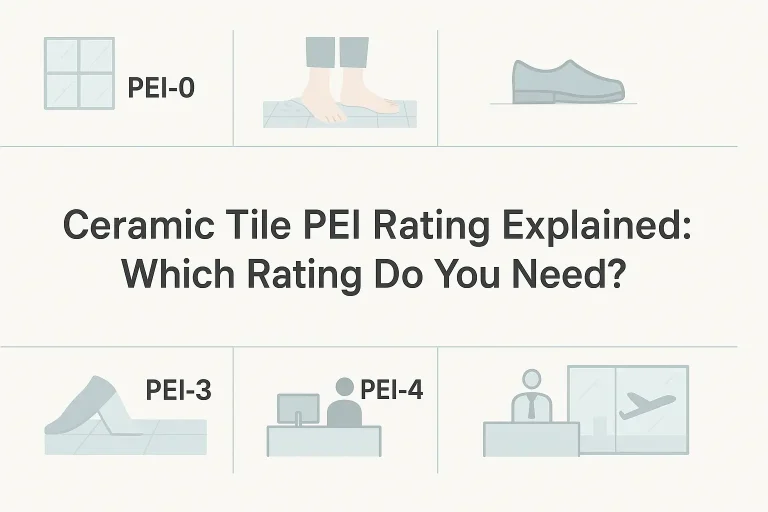
  • Ceramic Tile PEI Rating Explained: Which Rating Do You Need?
    Guides

    Ceramic Tile PEI Rating Explained: Which Rating Do You Need?

    ByS. Laurent Guides

    A ceramic tile’s PEI rating is not about how tough the tile feels in your hand. It is a precise measurement of how the glazed surface resists abrasion from foot traffic over years of use. Choosing the wrong PEI class means a floor that looks worn and dull within months, not decades. This guide covers…

    Read More Ceramic Tile PEI Rating Explained: Which Rating Do You Need?Continue

  • Ceramic Kitchen Backsplash Guide: Choosing Tile Style Size and Material
    Guides

    Ceramic Kitchen Backsplash Guide: Style, Size & Material

    ByS. Laurent Guides

    Ceramic kitchen backsplash tile is not a decorative afterthought. It is a permanent fired glass surface that protects your walls from moisture, grease, and daily cooking splash for decades. Choose the wrong tile size or material and you will spend more on installation labor than the tile itself. This guide covers every ceramic backsplash tile…

    Read More Ceramic Kitchen Backsplash Guide: Style, Size & MaterialContinue

Page navigation

Previous PagePrevious 1 … 3 4 5 6 7 … 65 Next PageNext

Ceramicinfospot.com is a participant in the Amazon Associates Program, an affiliate advertising program designed to provide a means for sites to earn advertising fees by advertising and linking to amazon.

  • Home
  • About
  • Contact
  • Privacy Policy
  • Terms of Service

© 2026 ceramicinfospot.com

  • Home
  • Comparisons
  • Advice
  • Guides
  • Contact