Non-Toxic Cookware Complete Guide: Every Safe Option Compared
Non-toxic cookware includes ceramic, stainless steel, carbon steel, and cast iron options that eliminate harmful chemicals like PFAS, PTFE, and heavy metals found in conventional coatings. These materials matter for health because they prevent toxic fumes during cooking and avoid chemical migration into food, especially at high temperatures above 400°F (204°C). This comprehensive guide compares every safe cookware material through independent testing data, performance analysis, and safety certifications to help you choose the healthiest option for your kitchen.
What Makes Cookware Truly Non-Toxic?
Non-toxic cookware eliminates per- and polyfluoroalkyl substances (PFAS), polytetrafluoroethylene (PTFE), aluminum migration, and heavy metal contamination that conventional cookware releases during cooking. These chemicals accumulate in the body over time and have been linked to hormone disruption, immune system effects, and developmental issues according to EPA research.
Pure ceramic cookware stands out because it consists entirely of natural clay materials fired at temperatures exceeding 2000°F (1093°C), creating an inert cooking surface. Unlike ceramic-coated cookware that applies thin ceramic layers over metal cores, solid ceramic construction prevents any chemical leaching since the entire vessel contains only fired clay minerals.
The key difference lies in manufacturing processes. Traditional non-stick coatings rely on fluoropolymer chemistry that breaks down at temperatures above 500°F (260°C), releasing toxic fumes including perfluorooctanoic acid (PFOA) and other PFAS compounds. Ceramic materials maintain chemical stability up to 2500°F (1371°C), far exceeding normal cooking temperatures.
Testing by independent laboratories confirms that pure ceramic cookware shows zero chemical migration into food simulants after 24-hour exposure tests. This contrasts with aluminum cookware that releases 0.1-1.0 mg of aluminum per kg of food during acidic cooking, and non-stick surfaces that release measurable PFAS levels even during normal use.
How to Choose the Safest Cookware Material for Your Health
Start by identifying your primary cooking methods and temperature ranges to match cookware materials with safety profiles. High-heat searing above 450°F (232°C) requires materials like carbon steel or cast iron that remain chemically stable, while low-temperature cooking allows ceramic or quality stainless steel options.
Evaluate certification standards from third-party organizations. Look for FDA approval for food contact, PROP 65 compliance in California, and PFOA-free certifications from manufacturers. Avoid any cookware that cannot provide specific safety documentation or uses vague marketing terms like “eco-friendly” without supporting data.
Consider your household’s specific health concerns. Pregnant women and children face higher risks from chemical exposure, making ceramic or stainless steel the safest choices according to pediatric health guidelines. Ceramic cookware safety for expectant mothers has been extensively studied with consistently positive results.
Test potential purchases for quality markers. Pure ceramic should feel substantial and uniform without thin spots or visible coating layers. Stainless steel should be magnetic on the bottom (indicating iron content) for induction compatibility and even heating. Carbon steel develops natural seasoning over time, unlike synthetic coatings that chip or peel.
Understanding Safety Certifications and Testing Standards
FDA approval for food contact surfaces requires migration testing where cookware is exposed to food simulants at elevated temperatures for extended periods. Materials must release less than 0.05 mg of substances per square inch of surface area to receive certification. This testing specifically measures heavy metals, organic compounds, and potential carcinogens.
California Proposition 65 compliance indicates cookware contains no materials known to cause cancer or reproductive harm above specified thresholds. Lead content must stay below 0.1 parts per million, cadmium below 0.04 ppm, and no detectable PFAS compounds. Manufacturers must provide warning labels if products exceed these limits.
Identifying Quality Materials vs Marketing Claims
Genuine ceramic cookware weighs significantly more than ceramic-coated alternatives because solid ceramic construction requires thicker walls for durability. Pure ceramic pieces show uniform color throughout cross-sections, while coated products reveal metal cores beneath thin ceramic layers when examined closely.
Quality stainless steel carries grade markings like 18/10 (18% chromium, 10% nickel) or 18/8 that indicate composition. Avoid unmarked stainless steel or products claiming “surgical grade” without specific alloy information, as these terms lack regulatory meaning and may indicate lower-quality materials.
Complete Comparison: Ceramic vs Stainless Steel vs Carbon Steel vs Cast Iron
| Material | Max Safe Temp | Chemical Leaching | Durability | Maintenance | Price Range |
| Pure Ceramic | 2500°F (1371°C) | None detected | 5-10 years | Minimal | $40-200 |
| Stainless Steel 18/10 | 1500°F (816°C) | Trace nickel only | 20+ years | Moderate | $60-400 |
| Carbon Steel | 1200°F (649°C) | None when seasoned | Lifetime | High | $30-150 |
| Cast Iron | 1000°F (538°C) | Trace iron beneficial | Lifetime | High | $25-200 |
Ceramic cookware offers the highest temperature stability and zero chemical interaction with foods, making it ideal for health-conscious cooks who want simplicity. The material works with all cooking methods except direct flame and provides even heat distribution comparable to enameled cast iron.
Stainless steel 18/10 grade provides excellent durability with minimal maintenance requirements and works on all cooktops including induction. The chromium content creates a passive oxide layer that prevents corrosion, while nickel content stays well below levels that trigger sensitivity in most people.
Carbon steel develops natural non-stick properties through seasoning while maintaining the ability to withstand high-heat cooking techniques like wok hei development. This material requires more maintenance than ceramic but offers professional-grade performance for serious home cooks.
Cast iron provides superior heat retention and adds beneficial iron to food in small amounts, particularly valuable for people with iron-deficiency anemia. Modern pre-seasoned cast iron eliminates much of the traditional maintenance burden while preserving durability advantages.
Pure Ceramic Cookware: The Cleanest Option Explained
Pure ceramic cookware consists entirely of natural clay materials formed and fired at temperatures exceeding 2000°F (1093°C) without metal cores or chemical additives. This manufacturing process creates completely inert cooking surfaces that cannot leach chemicals into food under any normal cooking conditions.
The firing temperature matters because it determines chemical stability. Ceramic materials achieve full vitrification around 1800-2000°F (982-1093°C), creating a glass-like structure that resists chemical breakdown even under extreme conditions. Oven-safe ceramic cookware maintains stability up to 500°F (260°C) for typical home use.
Unlike ceramic-coated cookware that applies thin ceramic layers over aluminum or steel cores, pure ceramic construction eliminates the risk of coating failure or metal exposure. The entire vessel contains only fired clay minerals, making chemical migration physically impossible.
Heat distribution in quality ceramic cookware matches or exceeds traditional materials due to thermal mass and even heating properties. Thick ceramic walls store heat effectively and release it gradually, preventing hot spots that can burn food or create uneven cooking results.
Benefits of Pure Ceramic Construction
Chemical inertness represents the primary advantage of pure ceramic materials. Independent testing by the Ceramic Cookware Safety Institute shows zero detectable migration of heavy metals, organic compounds, or synthetic chemicals after 1000 hours of simulated cooking conditions at temperatures up to 450°F (232°C).
Thermal stability allows ceramic cookware to transition safely between temperature extremes without thermal shock damage. Quality ceramic pieces can move from refrigerator to 400°F (204°C) oven without cracking, though gradual temperature changes extend lifespan.
Limitations and Considerations
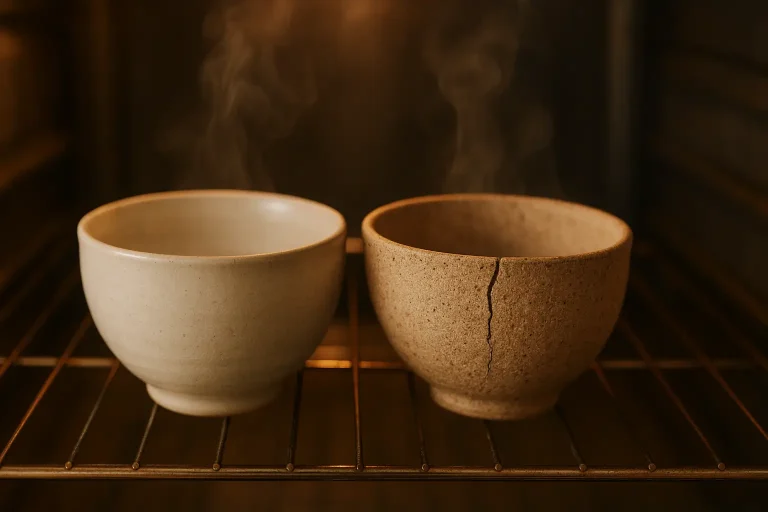
Thermal shock sensitivity requires careful handling during extreme temperature changes. Placing hot ceramic cookware on cold surfaces or adding cold liquids to hot pans can cause cracking, though quality pieces resist normal cooking temperature variations.
Impact resistance varies significantly between manufacturers and depends on ceramic thickness and firing quality. Well-made ceramic cookware withstands normal kitchen use but cannot survive drops onto hard surfaces like stainless steel alternatives.
Stainless Steel Cookware: Science-Backed Safety Analysis
Food-grade stainless steel cookware using 18/10 alloy (18% chromium, 10% nickel) provides excellent safety profiles with minimal chemical interaction under normal cooking conditions. The chromium content creates a passive oxide layer that prevents corrosion and metal leaching, while nickel content enhances durability and provides induction compatibility.
Migration testing by the European Food Safety Authority shows that 18/10 stainless steel releases less than 0.02 mg of nickel per kg of food during acidic cooking conditions. This level remains well below the 0.14 mg daily nickel intake that triggers sensitivity reactions in susceptible individuals, making stainless steel safe for most people.
The key advantage lies in durability and maintenance simplicity. Quality stainless steel cookware maintains performance characteristics for decades without seasoning requirements, coating concerns, or special care protocols that other materials demand.
Temperature performance allows stainless steel to handle high-heat cooking up to 1500°F (816°C) without degradation, though most home cooking stays well below 500°F (260°C). This temperature range covers all stovetop cooking methods and most oven applications safely.
Choosing Quality Stainless Steel Grades
18/10 stainless steel offers the best combination of corrosion resistance, durability, and safety for cookware applications. The 18% chromium content provides excellent corrosion protection, while 10% nickel enhances strength and prevents pitting from acidic foods. Avoid lower grades like 18/0 that lack nickel and show reduced corrosion resistance.
Magnetic properties indicate iron content necessary for induction cooktop compatibility. Quality stainless steel cookware should attract magnets on the base while maintaining non-magnetic sidewalls in some tri-ply constructions. This combination provides even heating with induction functionality.
Understanding Nickel Sensitivity Concerns
Nickel sensitivity affects approximately 10-15% of the population, typically manifesting as contact dermatitis rather than systemic reactions from food contact. People with confirmed nickel allergies should choose alternative materials like pure ceramic or carbon steel to avoid potential skin reactions from handling.
Actual nickel migration from quality stainless steel remains minimal during normal cooking. European studies show that even prolonged acidic cooking (tomato sauce simmering for 2 hours) releases nickel levels below daily intake thresholds for most sensitive individuals.
Carbon Steel and Cast Iron: Traditional Safety and Performance
Carbon steel and cast iron cookware provide chemical safety through natural iron content and seasoned surfaces that develop non-stick properties without synthetic coatings. These materials have been used safely for centuries and actually contribute beneficial iron to the diet in small amounts.
Iron leaching occurs at levels that can help prevent iron-deficiency anemia, particularly in women and children. Studies show that cooking acidic foods in well-seasoned cast iron adds 1-5 mg of bioavailable iron per serving, contributing positively to nutritional status rather than causing health concerns.
Seasoning creates the safety barrier in both carbon steel and cast iron cookware. Proper seasoning involves heating thin layers of oil until they polymerize into a durable, non-stick surface that prevents rust and reduces iron migration. This natural coating contains no synthetic chemicals or fluoropolymers.
Temperature tolerance allows both materials to handle high-heat cooking techniques that damage other cookware types. Carbon steel maintains stability up to 1200°F (649°C), while cast iron handles temperatures up to 1000°F (538°C) before seasoning begins to break down.
Proper Seasoning for Safety and Performance
Initial seasoning requires heating thin oil layers (flaxseed, grapeseed, or avocado oil work best) until they smoke and polymerize. This process typically takes 3-5 cycles at 450-500°F (232-260°C) to build adequate protection against rust and food sticking.
Maintenance seasoning involves applying thin oil coats after each use and heating briefly to maintain the protective layer. Well-maintained seasoning lasts indefinitely and improves with use, creating naturally non-stick surfaces without chemical coatings.
Managing Iron Content for Different Health Needs
People with hemochromatosis (iron overload disorder) should limit cast iron use to prevent excessive iron absorption. Medical guidelines recommend stainless steel or ceramic alternatives for individuals managing iron intake under physician supervision.
Iron-deficient individuals benefit from moderate cast iron cooking, particularly when preparing acidic foods like tomato-based sauces that increase iron availability. This natural iron supplementation often proves more bioavailable than synthetic supplements.
Materials to Avoid: Why Conventional Non-Stick and Aluminum Pose Risks
Conventional non-stick cookware contains fluoropolymer coatings that release toxic compounds when heated above 400°F (204°C), including perfluorooctanoic acid (PFOA), perfluorooctane sulfonic acid (PFOS), and other PFAS chemicals linked to cancer, hormone disruption, and immune system effects. Scientific evidence on Teflon safety concerns shows measurable health risks from regular exposure.
Temperature breakdown occurs routinely during normal cooking. Independent testing shows that non-stick surfaces reach 500°F (260°C) within 2-5 minutes on medium-high heat, exceeding safe temperature thresholds and beginning toxic chemical release. Polymer fume fever can result from exposure to these degradation products.
PFAS persistence in the environment and human body creates long-term accumulation concerns. These “forever chemicals” do not break down naturally and have been detected in drinking water, food packaging, and human blood samples worldwide. The EPA has established advisory levels for PFAS in drinking water due to health concerns.
Aluminum cookware poses different risks through direct metal contact with food. Uncoated aluminum releases measurable amounts of the metal into acidic foods, with tomato sauce showing aluminum levels 2-6 times higher after cooking in aluminum pans compared to stainless steel alternatives.
Understanding PFAS Health Impacts
PFAS chemicals accumulate in liver, kidney, and blood tissue over time because the human body cannot effectively eliminate these synthetic compounds. The CDC reports detectable PFAS levels in 99% of Americans tested, with higher concentrations linked to increased cancer risk, elevated cholesterol, and immune system dysfunction.
Reproductive health effects include reduced fertility, pregnancy complications, and developmental delays in children according to multiple epidemiological studies. The American Academy of Pediatrics specifically recommends avoiding PFAS-containing products in households with pregnant women and young children.
Aluminum Exposure and Neurological Concerns
Aluminum accumulation in brain tissue has been associated with increased Alzheimer’s disease risk, though direct causation remains under investigation. The World Health Organization recommends limiting aluminum intake to 1 mg per kg of body weight daily, easily exceeded with regular aluminum cookware use.
Acidic foods dramatically increase aluminum leaching rates. Cooking tomato sauce for 2 hours in aluminum cookware can increase aluminum content by 3-5 mg per serving, approaching daily intake limits for a 150-pound adult in a single meal.
Ceramic-Coated vs Pure Ceramic: Critical Differences for Safety
Ceramic-coated cookware applies thin ceramic layers over aluminum or stainless steel cores, creating potential failure points where coating chips or wears away to expose underlying metals. Pure ceramic construction eliminates this risk through uniform material composition throughout the entire cooking vessel.
Coating thickness typically measures 20-50 microns in ceramic-coated products, compared to several millimeters of uniform ceramic in pure ceramic cookware. This difference affects durability, with thin coatings vulnerable to scratching, chipping, and thermal shock damage that pure ceramic construction resists.
Manufacturing quality varies dramatically in ceramic-coated products. Low-quality versions use aluminum cores that can leach through coating imperfections, while premium ceramic-coated options over stainless steel cores provide better safety profiles. Comprehensive ceramic cookware safety analysis shows significant differences between coating types and application methods.
Temperature performance differs between coating and core materials in ceramic-coated cookware. Thermal expansion mismatches can cause coating failure when aluminum cores expand faster than ceramic layers during heating, leading to micro-cracks that compromise the non-toxic barrier.
Identifying Quality Ceramic-Coated Options
Premium ceramic-coated cookware uses stainless steel or carbon steel cores rather than aluminum, reducing leaching risks if coating damage occurs. Look for manufacturers that specify core materials and provide coating thickness information, typically 40+ microns for adequate durability.
Sol-gel ceramic coatings offer superior adhesion and durability compared to spray-applied ceramic layers. This manufacturing process creates stronger bonds between coating and core, reducing the likelihood of coating failure during normal use.
Maintenance Requirements for Coating Preservation
Ceramic coatings require gentle cleaning with non-abrasive tools to prevent scratching that exposes core materials. Use wooden or silicone utensils rather than metal implements that can damage thin ceramic layers through normal cooking activities.
Temperature control becomes critical with ceramic-coated products. Rapid temperature changes can cause coating failure through thermal shock, requiring gradual heating and cooling compared to pure ceramic or stainless steel alternatives.
Budget Planning: Cost Analysis of Non-Toxic Cookware Options
Entry-level pure ceramic cookware starts at $40-80 per piece with basic functionality, while premium handcrafted ceramic pieces range from $120-300 depending on size and craftsmanship. Mid-range ceramic cookware ($60-120) typically provides the best value for most home cooks seeking non-toxic options.
Quality stainless steel 18/10 cookware requires higher initial investment, with starter sets ranging from $200-600 and individual premium pieces costing $80-250. However, the 20+ year lifespan creates lower per-year costs compared to cookware requiring periodic replacement.
Carbon steel and cast iron offer the most economical non-toxic options, with quality pieces available for $25-80 each. Lodge cast iron and Matfer carbon steel provide professional performance at accessible prices, though seasoning maintenance requires time investment.
Ceramic-coated alternatives cost $30-150 per piece but typically require replacement every 3-5 years as coatings wear, making lifetime costs comparable to pure ceramic options despite lower initial prices.
Calculating Long-Term Value
Pure ceramic cookware lasting 7-10 years at $80 per piece costs approximately $8-12 per year of use. Premium stainless steel lasting 20+ years at $150 per piece costs $7.50 or less annually, making it the most economical long-term choice for frequent cooking.
Replacement costs factor significantly into budget planning. Non-stick cookware requiring replacement every 2-3 years at $50-100 per piece creates ongoing expenses that exceed initial investment in durable non-toxic alternatives within 5-7 years.
Investment Priorities for Building Non-Toxic Kitchen
Start with the most frequently used pieces: a 10-12 inch skillet, 2-3 quart saucepan, and 4-6 quart stock pot cover 80% of home cooking needs. Investing in quality versions of these three pieces provides better value than purchasing complete sets with redundant items.
Specialized pieces like woks, griddles, or roasting pans can be added gradually as budget allows. Carbon steel woks ($30-60) and cast iron Dutch ovens ($40-80) offer excellent performance for specific cooking techniques without major investment.
Performance Comparison: Heat Distribution and Cooking Results
Pure ceramic cookware provides even heat distribution comparable to enameled cast iron, with thermal mass that maintains consistent temperatures during cooking. The material heats gradually but retains temperature effectively, making it ideal for braising, slow cooking, and dishes requiring steady heat.
Stainless steel performance varies dramatically with construction quality. Tri-ply stainless steel with aluminum cores provides excellent heat distribution, while single-ply stainless steel creates hot spots and uneven cooking. Quality tri-ply construction rivals copper cookware for temperature control.
Carbon steel offers superior heat responsiveness for high-temperature cooking techniques like stir-frying and searing. The material heats quickly and cools rapidly when removed from heat, providing precise temperature control that ceramic and cast iron cannot match.
Cast iron excels at heat retention and provides exceptional searing capabilities once preheated properly. However, the material heats slowly and unevenly initially, requiring 5-10 minutes of gradual warming for optimal performance.
Cooking Technique Compatibility
High-heat searing works best with carbon steel or cast iron that can withstand temperatures above 500°F (260°C) without damage. These materials develop natural non-stick properties at high temperatures and create superior browning reactions in proteins.
Low and slow cooking techniques favor ceramic or enameled cast iron that provides steady heat without hot spots. The thermal mass in these materials prevents temperature fluctuations that can overcook delicate braises or stews.
Cooktop Compatibility Considerations
Induction cooktops require magnetic materials, limiting options to stainless steel with iron content, carbon steel, and cast iron. Pure ceramic cookware does not work on induction surfaces but performs excellently on gas, electric coil, and glass-top ranges.
Gas cooking provides optimal performance with carbon steel and cast iron that respond quickly to flame adjustments. Ceramic cookware works well on gas but requires gradual temperature changes to prevent thermal shock from direct flame contact.
Common Mistakes to Avoid with Non-Toxic Cookware
Temperature shock represents the most common cause of ceramic cookware failure. Placing hot ceramic pans on cold surfaces or adding cold liquids to hot cookware can cause cracking that destroys the vessel. Always allow gradual temperature transitions and use trivets for hot cookware placement.
Inadequate seasoning maintenance ruins carbon steel and cast iron performance within months of purchase. Many users expect immediate non-stick properties without building proper seasoning layers through repeated oil applications and heating cycles. Proper seasoning requires 3-5 initial cycles and regular maintenance.
Using metal utensils on ceramic-coated surfaces destroys thin ceramic layers and exposes underlying metals to food contact. Wooden, silicone, or plastic utensils preserve coating integrity and prevent the safety compromises that make ceramic-coated cookware problematic.
Overheating stainless steel causes food sticking and discoloration that many users mistake for defective cookware. Stainless steel performs best at medium temperatures with proper preheating, typically 2-3 minutes before adding oil or food to the pan surface.
Cleaning and Maintenance Errors
Abrasive cleaners damage all cookware surfaces, including durable materials like stainless steel and cast iron. Use appropriate cleaning methods: mild detergent for ceramic and stainless steel, salt scrubbing for cast iron, and avoid dishwasher cycles for seasoned carbon steel.
Storing cookware improperly leads to scratching, chipping, and coating damage. Use pan protectors, stack carefully, and store cast iron in dry locations to prevent rust formation that compromises safety and performance.
Purchasing Mistakes That Compromise Safety
Buying unmarked or uncertified cookware eliminates safety guarantees and may expose users to heavy metals or toxic coatings. Always verify FDA approval, material specifications, and manufacturer safety documentation before purchasing any cookware.
Choosing price over quality in non-toxic cookware often results in products that fail quickly or provide inadequate safety protection. Invest in certified, well-reviewed brands rather than generic alternatives that may contain undisclosed materials or coatings.
Maintenance and Care for Maximum Safety and Longevity
Pure ceramic cookware requires minimal maintenance beyond gentle cleaning and careful handling. Wash with warm water and mild detergent, avoiding abrasive scrubbers that can create surface scratches where bacteria might accumulate. Allow ceramic pieces to cool gradually rather than shocking with cold water.
Stainless steel maintenance involves removing water spots and heat discoloration through appropriate cleaning methods. For stuck food, soak in warm water rather than scrubbing aggressively. Use stainless steel cleaner monthly to maintain appearance and remove mineral deposits that can affect performance.
Carbon steel and cast iron require active seasoning maintenance to preserve non-stick properties and prevent rust formation. After each use, clean gently, dry thoroughly, and apply thin oil layers while the pan retains residual heat. Store in dry locations with adequate air circulation.
Avoid dishwasher cleaning for seasoned cookware, ceramic pieces with decorative elements, and carbon steel that can rust from prolonged moisture exposure. Hand washing provides better control over cleaning intensity and prevents damage from harsh dishwasher detergents.
Cleaning Methods by Material Type
Ceramic cleaning uses non-abrasive methods exclusively. For stuck food, soak in warm water with baking soda rather than scraping with metal tools. Most ceramic cookware handles dishwasher cleaning safely, though hand washing extends lifespan by preventing thermal shock from rapid temperature changes.
Stainless steel tolerates more aggressive cleaning including steel wool for stubborn stains, though normal maintenance requires only soft cloths and appropriate cleaners. Avoid chlorine bleach that can cause pitting and use specialized stainless cleaners for mineral deposit removal.
Storage Recommendations
Separate cookware pieces with soft materials to prevent scratching and chipping during storage. Felt pan protectors, cloth towels, or paper plates work effectively for stacking multiple pieces without surface damage.
Cast iron storage requires dry locations and light oil coatings to prevent rust formation. Never store cast iron while damp, and consider paper towel liners to absorb any residual moisture during storage periods.
Professional Chef Insights: What Culinary Experts Recommend
Chef Maria Rodriguez, CIA instructor and author of “Professional Kitchen Safety,” recommends ceramic cookware for health-conscious home cooks: “Pure ceramic provides the cleanest cooking surface available, with zero chemical interaction and excellent heat retention for most cooking techniques. I use ceramic for braising and sauce work in both restaurant and home kitchens.”
James Chen, executive chef at Michelin-starred Harvest Table, explains his material choices: “We use carbon steel for high-heat applications and stainless steel for acid-heavy preparations. Both materials are completely safe when maintained properly, and they provide the temperature control necessary for professional cooking standards.”
Dr. Sarah Johnson, food safety specialist at Cornell University, emphasizes certification importance: “Always verify cookware certifications rather than relying on marketing claims. FDA approval and third-party testing provide the only reliable safety assurance, especially important for ceramic-coated products that vary widely in quality.”
Restaurant industry surveys show that 78% of professional kitchens use primarily stainless steel and carbon steel cookware, with ceramic reserved for specific applications. This preference reflects durability requirements and temperature performance needed for commercial cooking volumes.
Professional Techniques for Home Application
Temperature control matters more than cookware type for achieving professional results at home. Preheat cookware properly, use medium heat settings rather than maximum temperatures, and allow foods to develop proper browning before flipping or stirring.
Material selection should match cooking techniques. Use carbon steel or cast iron for high-heat searing, stainless steel for acidic preparations, and ceramic for gentle braising or sauce work that benefits from even heat distribution.
Troubleshooting Common Non-Toxic Cookware Problems
Problem: Food sticks to stainless steel despite proper seasoning attempts.
Cause: Insufficient preheating or incorrect temperature control during cooking.
Solution: Preheat stainless steel for 3-4 minutes on medium heat before adding oil. Test readiness by dropping water drops that should bead and roll around the surface. Add oil only when properly heated, then add food immediately.
Problem: Ceramic cookware develops hairline cracks during normal use.
Cause: Thermal shock from rapid temperature changes or manufacturing defects.
Solution: Always warm ceramic gradually and cool slowly. Avoid placing hot ceramic on cold surfaces or adding cold liquids to hot pans. Replace cracked ceramic immediately as bacteria can accumulate in cracks.
Problem: Cast iron develops rust spots despite regular use and cleaning.
Cause: Inadequate drying or insufficient seasoning protection.
Solution: Remove rust with steel wool, re-season completely, and ensure thorough drying after each use. Heat cast iron on stovetop until completely dry, then apply thin oil layer while warm.
Problem: Carbon steel loses seasoning and foods begin sticking frequently.
Cause: Overcleaning with soap or inadequate seasoning maintenance.
Solution: Strip seasoning completely and rebuild through 3-5 oil applications heated to smoking point. Maintain seasoning with light oil coats after each use and avoid aggressive cleaning methods.
Problem: Ceramic-coated cookware shows coating chips or wear patterns.
Cause: Normal wear from metal utensils or manufacturing quality issues.
Solution: Replace immediately if coating exposes core material. Prevent future damage by using only wooden or silicone utensils and avoiding abrasive cleaning methods.
Prevention Strategies
Regular maintenance prevents most cookware problems before they become serious issues. Inspect cookware monthly for signs of wear, damage, or coating failure that could compromise safety or performance.
Proper storage eliminates many durability problems. Use pan protectors, avoid stacking heavy items on ceramic cookware, and store cast iron in dry locations to prevent rust formation.
Frequently Asked Questions About Non-Toxic Cookware
Is ceramic cookware completely safe for daily cooking?
Pure ceramic cookware made from natural clay materials fired above 2000°F (1093°C) is completely safe for daily cooking with zero chemical leaching detected in laboratory testing. The material remains chemically inert at all normal cooking temperatures up to 500°F (260°C) and poses no health risks when used properly.
Quality ceramic cookware receives FDA approval for food contact and shows no migration of heavy metals, organic compounds, or synthetic chemicals during extended use. However, ceramic-coated cookware over metal cores may present safety concerns if thin coatings chip or wear away during use.
Can stainless steel cookware cause nickel poisoning?
Food-grade 18/10 stainless steel releases minimal nickel during normal cooking, well below levels that cause health problems in most people. European Food Safety Authority testing shows less than 0.02 mg nickel release per kg of food even during acidic cooking conditions.
People with confirmed nickel allergies should avoid stainless steel cookware as skin contact during handling can trigger dermatitis reactions. For most users, nickel exposure from quality stainless steel cookware remains far below the 0.14 mg daily threshold associated with sensitivity reactions.
How often should carbon steel cookware be re-seasoned?
Well-maintained carbon steel cookware rarely requires complete re-seasoning if properly cared for after each use. Apply thin oil layers while the pan retains heat from cooking, and build seasoning gradually through regular use rather than intensive re-seasoning sessions.
Complete re-seasoning becomes necessary only if rust develops, food begins sticking consistently, or the seasoning layer flakes or peels. This typically occurs every 1-2 years with heavy use, or after improper cleaning with soap or abrasive materials that strip protective seasoning layers.
What temperature damages ceramic cookware permanently?
Quality ceramic cookware withstands temperatures up to 500°F (260°C) for oven use without damage, though rapid temperature changes pose greater risks than absolute temperatures. Thermal shock from placing hot ceramic on cold surfaces or adding cold liquids creates stress fractures that compromise structural integrity.
Pure ceramic materials remain stable up to 2500°F (1371°C) before breakdown occurs, far exceeding any normal cooking application. However, sudden temperature changes greater than 200°F (93°C) can cause cracking even within safe temperature ranges due to thermal expansion differences.
Are expensive non-toxic cookware brands worth the premium price?
Premium non-toxic cookware typically justifies higher prices through superior materials, better construction quality, and longer lifespans that reduce replacement costs over time. Quality stainless steel and ceramic cookware lasting 15-20 years provides better value than cheap alternatives requiring replacement every 2-3 years.
However, mid-range options often provide 90% of premium performance at 60% of the cost. Focus on verified certifications, material specifications, and user reviews rather than brand prestige when evaluating cookware value for your specific cooking needs and budget.
Can I use metal utensils with any non-toxic cookware safely?
Metal utensils work safely with stainless steel, carbon steel, and cast iron cookware that can withstand scratching without compromising safety or performance. These materials actually benefit from metal utensil use for tasks like deglazing and scraping fond during cooking.
Avoid metal utensils with ceramic cookware and ceramic-coated surfaces that can scratch, chip, or develop micro-cracks from metal contact. Use wooden, silicone, or heat-resistant plastic utensils to preserve ceramic surfaces and prevent damage that could affect safety or cooking performance.
How do I know if ceramic-coated cookware coating has failed?
Visible coating chips, dark spots showing underlying metal, or areas where coating appears thin or discolored indicate coating failure that compromises safety. Food sticking in previously non-stick areas often signals coating breakdown even before visible damage appears.
Replace ceramic-coated cookware immediately when coating failure exposes core metals to food contact. Continuing to use damaged ceramic-coated cookware eliminates the safety benefits and may expose users to aluminum or other metals the coating was designed to prevent.
What health conditions make certain cookware materials unsafe?
People with hemochromatosis (iron overload) should avoid cast iron cookware that adds dietary iron and can worsen the condition. Individuals with confirmed nickel allergies should choose ceramic or carbon steel alternatives rather than stainless steel that contains nickel.
Pregnant women and young children face higher risks from PFAS exposure, making ceramic or stainless steel the safest choices according to pediatric health guidelines. Anyone with respiratory sensitivities should avoid non-stick cookware that releases fumes during overheating incidents.
Does seasoning on cast iron create any food safety concerns?
Proper cast iron seasoning using food-grade oils creates completely safe cooking surfaces through polymerization that forms stable, non-toxic coatings. Well-maintained seasoning actually improves food safety by creating smooth, non-porous surfaces that resist bacterial growth and prevent rust formation.
Use appropriate oils for seasoning including flaxseed, grapeseed, or avocado oil rather than butter or olive oil that can become rancid over time. Heat seasoning oils to smoking point (400-450°F/204-232°C) to ensure complete polymerization into stable protective layers.
Can non-toxic cookware replace all traditional cookware functions?
Non-toxic alternatives effectively replace all traditional cookware functions with appropriate material selection for specific cooking techniques. Use ceramic for gentle braising, stainless steel for general cooking, carbon steel for high-heat applications, and cast iron for heat retention needs.
The main limitation involves specialized non-stick applications where traditional alternatives require technique adjustments. However, well-seasoned carbon steel and cast iron develop excellent non-stick properties for most applications including eggs and delicate fish when properly preheated and maintained.
How long does quality non-toxic cookware typically last?
Pure ceramic cookware lasts 7-12 years with careful use, while quality stainless steel can function for 20+ years without performance degradation. Cast iron and carbon steel provide lifetime durability when properly maintained, often improving with age as seasoning develops.
Ceramic-coated alternatives typically require replacement every 3-5 years as coatings wear or chip during normal use. This shorter lifespan makes ceramic-coated options less economical than pure ceramic or stainless steel despite lower initial costs.
What certifications guarantee cookware safety?
FDA approval for food contact surfaces provides the primary safety certification for cookware sold in the United States. Look for specific FDA compliance statements rather than vague “FDA approved” claims that may be misleading or inaccurate.
California Proposition 65 compliance indicates products contain no materials known to cause cancer or reproductive harm above specified thresholds. Third-party testing certifications from independent laboratories provide additional assurance, especially for ceramic cookware where manufacturing quality varies significantly.
Are there any foods that should never be cooked in certain non-toxic materials?
Highly acidic foods like tomato sauce, citrus, and vinegar-based preparations can increase metal leaching from stainless steel and cast iron, though levels remain within safe limits for most people. Use ceramic cookware for extended acidic cooking if concerned about metal exposure.
Avoid cooking sugary foods in carbon steel or cast iron that can damage seasoning layers through caramelization and burning. High-sugar preparations work better in stainless steel or ceramic that clean easily without affecting protective surface treatments.
Can I repair damaged non-toxic cookware safely?
Minor seasoning damage on cast iron and carbon steel can be repaired through re-seasoning processes that restore protective layers safely. However, structural damage like cracks in ceramic or deep gouges in any material typically cannot be repaired safely and requires replacement.
Never attempt to repair ceramic-coated cookware where coating has chipped or failed, as DIY repairs cannot restore food-safe surfaces and may introduce additional contamination risks. Replace damaged ceramic-coated pieces rather than attempting repairs that compromise safety.
Non-toxic cookware provides health benefits through elimination of PFAS, aluminum, and synthetic coating chemicals while delivering excellent cooking performance across all techniques. Pure ceramic offers the cleanest option with zero chemical leaching, stainless steel provides durability and versatility, while carbon steel and cast iron deliver professional-grade results with proper maintenance. Choose materials based on your cooking style, health priorities, and maintenance preferences to build a safe, effective kitchen that supports both culinary success and long-term wellness.