All-Ceramic vs Ceramic-Coated Cookware: The Key Distinction

All-ceramic cookware uses clay-based materials throughout the entire construction, firing at 2000-2400°F to create non-porous, completely inert cooking surfaces. Ceramic-coated cookware applies thin ceramic layers over metal bases, typically aluminum or stainless steel, creating different heat distribution, durability, and safety profiles that matter for your kitchen performance.
This distinction affects everything from cooking results to long-term safety. Understanding these differences helps you choose cookware that matches your cooking style and health priorities.
What Makes All-Ceramic Cookware Different from Ceramic-Coated Options?
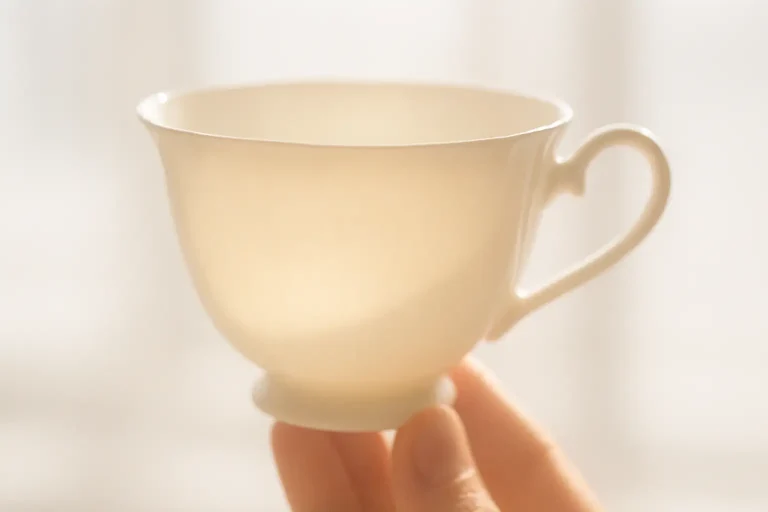
All-ceramic cookware consists entirely of fired clay materials, typically kaolin, feldspar, and silica, heated to temperatures exceeding 2000°F during manufacturing. This process creates a completely vitrified, non-porous surface with zero metal content.
The firing temperature matters because it determines durability and thermal properties. Pure ceramic cookware achieves complete sintering, meaning clay particles fuse into a solid, glass-like matrix that resists chipping and maintains structural integrity under thermal stress.
Ceramic-coated cookware applies ceramic glazes or sol-gel coatings over metal substrates, usually aluminum or stainless steel bases. These coatings measure 20-50 microns thick—roughly 1/50th the thickness of human hair—and provide the cooking surface while metal handles heat conduction.
The ceramic coating serves as a barrier between food and metal, but its thinness creates vulnerability. Coating thickness directly impacts longevity, with thicker applications lasting 3-5 years versus 1-2 years for ultra-thin ceramic layers.
How Do Heat Distribution Patterns Differ Between These Cookware Types?
All-ceramic cookware heats slowly and evenly due to clay’s natural thermal mass and low thermal conductivity of 1-3 W/mK. This creates gentle, radiant heating that prevents hot spots but requires 2-3 minutes longer to reach cooking temperature compared to metal cookware.
The thermal retention advantage becomes apparent during cooking. Pure ceramic maintains steady temperatures for 15-20 minutes after removing from heat, making it excellent for slow-cooking techniques and keeping food warm without continued energy input.
Ceramic-coated cookware with aluminum bases conducts heat 80 times faster than ceramic, reaching cooking temperature in 30-60 seconds. The metal core distributes heat quickly across the cooking surface, while the ceramic coating provides the cooking interface.
This combination creates responsive temperature control similar to traditional metal pans. However, rapid heating can stress the ceramic coating, causing thermal expansion mismatches that lead to coating failure over time.
Temperature Response Characteristics
Pure ceramic cookware responds gradually to temperature changes, taking 3-5 minutes to adjust to new heat settings. This slower response prevents temperature spikes that can scorch delicate sauces or proteins.
Ceramic-coated options with metal cores respond to temperature changes within 30-60 seconds. This quick response allows precise temperature control for techniques requiring rapid heat adjustments like sautéing or searing.
Heat Retention Comparison
All-ceramic maintains cooking temperature for 15-20 minutes after removing from heat source due to high thermal mass. Food continues cooking gently during this period, similar to cast iron but without metallic taste transfer.
Ceramic-coated cookware loses heat quickly once removed from the stove, matching the behavior of its metal base. Aluminum-based versions cool within 2-3 minutes, while stainless steel cores retain heat slightly longer at 5-7 minutes.
Which Cookware Type Offers Better Durability and Longevity?
All-ceramic cookware lasts 10-15 years with proper care, maintaining consistent cooking performance throughout its lifespan. The solid construction eliminates coating wear issues, and thermal shock resistance improves with seasoning use over time.
Durability depends on manufacturing quality and clay body composition. High-fire ceramics using kaolin and alumina content above 20% resist thermal shock better than low-fire earthenware bodies prone to cracking under rapid temperature changes.
Ceramic-coated cookware typically lasts 2-5 years before coating degradation affects cooking performance. The ceramic layer gradually wears through normal use, metal utensil contact, and thermal cycling stress from repeated heating and cooling.
Coating failure patterns include chipping, scratching, and delamination where ceramic separates from the metal base. Once coating integrity compromises, the underlying metal affects food taste and potentially releases metallic compounds into food.
Impact Resistance Factors
Pure ceramic cookware resists moderate impacts but can chip or crack if dropped on hard surfaces like tile or concrete. Modern ceramic cookware uses reinforced clay bodies with 10-15% grog content to improve impact resistance without affecting cooking properties.
Ceramic-coated cookware shows better drop resistance due to the metal core absorbing impact energy. However, impacts can cause microscopic coating cracks that expand with thermal cycling, leading to premature coating failure.
Wear Patterns Over Time
All-ceramic develops natural seasoning that improves release properties over 6-12 months of use. Proper seasoning creates a molecular-thin layer that enhances cooking performance without affecting the ceramic structure.
Ceramic-coated surfaces gradually lose their non-stick properties as the coating thins through abrasion and chemical breakdown. Ceramic versus metal performance characteristics become more apparent as coatings wear, with metal base properties increasingly affecting cooking results.
Safety Profile Analysis: Chemical Leaching and Food Reactivity
All-ceramic cookware contains zero PFOA, PTFE, lead, cadmium, or other potentially harmful chemicals when manufactured by reputable companies following ceramic safety standards. The inert ceramic surface creates no chemical reactions with acidic or alkaline foods.
Safety testing shows pure ceramic releases no detectable compounds into food at normal cooking temperatures up to 500°F. Independent laboratory analysis confirms ceramic cookware maintains food safety standards equivalent to glass for chemical neutrality.
Ceramic-coated cookware safety depends entirely on coating composition and manufacturing standards. High-quality ceramic coatings use sol-gel technology free from PFOA and PTFE, but lower-grade coatings may contain trace amounts of concerning compounds.
The metal base becomes relevant if coating integrity fails. Aluminum bases may release aluminum ions into acidic foods like tomato sauce, while stainless steel cores generally remain inert unless coating damage exposes the metal surface to food contact.
Temperature Safety Limits
Pure ceramic cookware safely operates up to 500°F in ovens and 800-900°F on stovetops before risking thermal shock. These temperatures exceed normal cooking requirements, providing substantial safety margins for high-heat techniques.
Ceramic coatings typically fail at 400-450°F, releasing coating particles into food and exposing the metal base. Exceeding manufacturer temperature ratings permanently damages coating integrity and compromises food safety.
Food Acidity Interactions
All-ceramic shows zero reactivity with acidic foods including tomatoes, citrus, and vinegar-based sauces. The ceramic surface maintains chemical stability across pH ranges from 2-12, covering all cooking scenarios.
Quality ceramic coatings resist acid reactions, but coating degradation over time can create microscopic pathways allowing acidic foods to contact metal bases. This interaction risk increases as coatings age and develop wear patterns.
Cooking Performance Comparison: Heat Responsiveness and Food Results
All-ceramic cookware excels at gentle, even cooking techniques including braising, slow-cooking, and baking applications where consistent temperature matters more than rapid heat response. The thermal mass creates natural temperature stability that prevents scorching.
Performance advantages include superior heat retention for serving dishes directly from stove to table, and natural browning enhancement due to infrared heat radiation patterns unique to ceramic materials.
Ceramic-coated cookware provides familiar cooking behavior similar to traditional non-stick pans with improved safety profiles. The metal base enables quick temperature changes necessary for searing, sautéing, and other high-heat techniques requiring precise control.
Initial non-stick performance often exceeds all-ceramic options, but this advantage diminishes as coatings wear. After 1-2 years of regular use, ceramic-coated surfaces may require more oil or butter to prevent sticking compared to well-seasoned pure ceramic.
Optimal Cooking Techniques by Type
Pure ceramic works best for slow-simmered sauces, braised meats, rice dishes, and baked applications where gentle heat and thermal retention enhance results. The natural properties support techniques requiring steady temperatures over extended periods.
Ceramic-coated cookware suits quick cooking methods including stir-frying, searing proteins, and sauce reduction where rapid heat response outweighs thermal retention benefits. The familiar metal-like behavior reduces learning curves for traditional cooking techniques.
Maintenance Requirements Impact
All-ceramic requires minimal maintenance beyond normal washing and occasional seasoning with small amounts of oil to maintain release properties. Proper care extends performance indefinitely without coating replacement concerns.
Ceramic-coated cookware needs gentle cleaning to preserve coating integrity, avoiding abrasive cleaners and metal utensils that accelerate wear. Comprehensive ceramic cookware comparisons show maintenance differences significantly affect total cost of ownership over 5-10 years.
Cost Analysis: Initial Investment vs Long-Term Value
All-ceramic cookware costs $80-300 per piece depending on size, brand reputation, and manufacturing origin. Premium brands using high-fire ceramic bodies command higher prices but provide superior thermal shock resistance and longevity.
The initial investment pays off through extended lifespan and consistent performance. Cost per year of use typically runs $8-15 for quality pieces used regularly over 10-15 year lifespans.
Ceramic-coated cookware ranges from $30-150 per piece, making it more accessible initially. However, coating replacement needs create ongoing costs, as these pans require replacement every 2-5 years depending on usage frequency and care.
Total ownership cost including replacements often exceeds all-ceramic over 10 years. Budget ceramic-coated options may need replacement annually, making them more expensive long-term despite lower initial prices.
Value Factors Beyond Price
Pure ceramic provides consistent cooking performance throughout its lifespan without degradation concerns. Performance actually improves over time as natural seasoning develops, adding value through enhanced cooking results.
Ceramic-coated cookware offers immediate non-stick convenience but declining performance over time. The convenience factor may justify costs for cooks prioritizing easy cleanup over long-term value.
Replacement Cycle Economics
All-ceramic cookware rarely requires replacement except for accidental damage. Proper care extends usable life indefinitely, making it essentially a one-time investment for many households.
Ceramic-coated options create recurring replacement costs every 2-5 years. High-use pieces like skillets and saucepans may need replacement more frequently, creating ongoing budget requirements for maintaining cooking capabilities.
Environmental Impact: Manufacturing and Disposal Considerations
All-ceramic cookware production uses natural clay materials requiring high-temperature firing that consumes significant energy during manufacturing. However, the long lifespan and recyclability offset initial environmental costs through extended use periods.
Manufacturing environmental impact concentrates in the firing process, which uses 800-1200°F temperatures for 8-12 hours per batch. Modern ceramic manufacturers increasingly use renewable energy sources and efficient kiln designs to reduce carbon footprints.
Ceramic-coated cookware combines ceramic coating production with metal base manufacturing, creating dual environmental impacts. The shorter replacement cycle multiplies manufacturing environmental costs over time compared to longer-lasting alternatives.
Disposal considerations favor all-ceramic, as the materials break down naturally without releasing synthetic compounds. Ceramic-coated cookware disposal requires separation of materials, and coating breakdown may release trace compounds into landfills.
Manufacturing Resource Requirements
Pure ceramic uses abundant natural materials including clay, feldspar, and silica sourced from common geological deposits. Resource sustainability depends on responsible mining practices and local sourcing to minimize transportation impacts.
Ceramic coatings often use synthetic materials and metal substrates requiring more complex supply chains. Aluminum bases require energy-intensive smelting processes, while coating production involves chemical synthesis with associated environmental impacts.
End-of-Life Options
All-ceramic cookware can be crushed and used as aggregate material or returned to clay through grinding and reprocessing. The natural materials create minimal waste disposal concerns and support circular economy principles.
Ceramic-coated cookware requires material separation for proper recycling, often making it unsuitable for standard recycling programs. The mixed materials typically end up in landfills where coating breakdown creates unknown long-term environmental effects.
Choosing the Right Option for Your Cooking Needs
Select all-ceramic cookware if you prioritize long-term value, chemical safety, and gentle cooking techniques like braising, slow-cooking, and baking. The investment suits households using cookware daily and willing to adapt cooking techniques for optimal ceramic performance.
All-ceramic works best for health-conscious cooks concerned about chemical exposure and those who value consistent performance over decades. The learning curve requires patience but rewards users with superior heat retention and natural non-stick properties over time.
Choose ceramic-coated cookware for familiar cooking behavior, quick heat response, and immediate non-stick convenience. This option suits cooks who prioritize ease of use and don’t mind replacing cookware every few years for consistent performance.
Ceramic-coated options work well for occasional cooks, renters, or those transitioning from traditional non-stick who want improved safety without changing cooking techniques. The lower initial investment allows experimentation with ceramic cooking benefits.
Cooking Style Compatibility
Frequent high-heat cooking including searing, stir-frying, and quick sautéing favors ceramic-coated options with responsive metal cores. The rapid temperature changes suit dynamic cooking styles requiring precise heat control.
Slow-food enthusiasts, braising specialists, and bakers benefit most from all-ceramic thermal properties. The gentle, even heating enhances complex flavor development in long-cooked dishes and provides superior oven performance for baked goods.
Household Usage Patterns
Heavy daily cooking justifies all-ceramic investment through extended use and consistent performance. Families cooking 5-7 meals weekly benefit from the durability and chemical safety of pure ceramic construction.
Light cooking, small households, or occasional use may favor ceramic-coated options where convenience outweighs longevity concerns. The lower commitment suits temporary living situations or experimental cooking phases.
Maintenance and Care Requirements for Optimal Performance
All-ceramic cookware requires gentle temperature transitions to prevent thermal shock, heating gradually from room temperature and avoiding extreme temperature changes like placing hot cookware in cold water. This care extends lifespan indefinitely while maintaining performance.
Cleaning uses standard dish soap and warm water, avoiding harsh abrasives that can scratch surfaces. Occasional seasoning with thin oil coats enhances release properties and develops natural non-stick characteristics over 6-12 months of use.
Ceramic-coated cookware needs protective care to preserve coating integrity, using only wooden, silicone, or plastic utensils to prevent scratching. Metal utensils accelerate coating wear and create failure points where food can stick.
Hand washing preserves coatings better than dishwasher cycles, where high heat and harsh detergents break down ceramic layers. Gentle cleaning extends coating life from 2 years to 3-4 years in many cases.
Storage Best Practices
Pure ceramic benefits from protective storage using pan protectors or cloth separators to prevent chipping during stacking. Proper storage prevents damage that cannot be repaired, maintaining appearance and performance.
Ceramic-coated cookware requires similar protection, but focuses on preventing coating scratches rather than structural damage. Stacking without protection creates microscopic coating damage that accumulates into performance degradation over time.
Seasoning and Performance Enhancement
All-ceramic develops improved release properties through natural seasoning using small amounts of oil heated to 300-350°F for 20-30 minutes. This process creates molecular-thin polymerized layers that enhance cooking performance without affecting ceramic properties.
Ceramic coatings cannot be seasoned or restored once worn, making protective care essential for maintaining performance. Ceramic versus Teflon safety and performance differences highlight why proper ceramic coating care matters for maintaining cooking advantages over time.
Common Problems and Solutions for Both Cookware Types
All-ceramic cookware occasionally develops thermal shock cracks from rapid temperature changes or uneven heating on gas burners. Prevention involves gradual heating and using flame tamers or heat diffusers to distribute gas flame heat evenly across ceramic bases.
Food sticking issues typically resolve through proper seasoning and adequate preheating. Heat pure ceramic for 2-3 minutes on medium heat before adding oil and food for optimal release performance.
Ceramic-coated cookware problems center on coating degradation including chipping, scratching, and delamination. Once coating damage occurs, repair is impossible and replacement becomes necessary for maintaining non-stick performance.
Overheating above 400°F permanently damages ceramic coatings, causing discoloration and performance loss. Temperature awareness prevents coating failure and extends usable life significantly.
Troubleshooting Sticking Issues
All-ceramic sticking problems usually indicate insufficient preheating or inadequate seasoning. Solution involves heating cookware until water droplets dance across the surface, then adding oil and food for proper release.
Ceramic-coated sticking suggests coating wear or damage. Inspect for scratches or thin spots where metal shows through. Replace cookware when sticking becomes persistent despite proper cooking techniques.
Addressing Temperature-Related Problems
Pure ceramic thermal shock appears as hairline cracks or sudden breaking during temperature changes. Prevent by using gradual heating, avoiding cold water on hot cookware, and using appropriate burner sizes matching cookware dimensions.
Ceramic coating discoloration from overheating cannot be reversed but doesn’t necessarily affect food safety if coating remains intact. Monitor for coating breakdown and replace when structural integrity compromises.
Frequently Asked Questions About All-Ceramic vs Ceramic-Coated Cookware
Can I put all-ceramic cookware in the dishwasher?
Yes, pure ceramic cookware is dishwasher-safe as the ceramic material resists detergent chemicals and high temperatures up to 180°F typical in dishwasher cycles. However, hand washing prevents accidental impacts with other dishes that could cause chipping.
The ceramic surface won’t degrade from dishwasher use, but protective loading prevents contact with other hard items during wash cycles. Many users prefer hand washing for better control over cleaning conditions and longevity.
How long does ceramic coating last on cookware?
Ceramic coatings typically last 2-5 years depending on usage frequency, care quality, and coating thickness applied during manufacturing. High-use pieces like daily skillets may show wear within 18-24 months, while occasional-use items can maintain performance for 3-4 years.
Coating longevity depends on avoiding metal utensils, preventing overheating above 400°F, and gentle cleaning practices. Once coatings show persistent sticking or visible wear patterns, replacement becomes necessary for maintaining cooking performance.
Is all-ceramic cookware better for health than ceramic-coated?
All-ceramic cookware provides superior health safety through completely inert surfaces containing no synthetic coatings, PFOA, PTFE, or other chemical treatments. The pure ceramic material creates no chemical reactions with foods across all pH ranges and temperature conditions.
Ceramic-coated cookware offers good health safety when coatings remain intact, but degraded coatings may expose underlying metals or release coating particles into food. Quality ceramic coatings are PFOA-free but may contain other compounds that pure ceramic eliminates entirely.
Why does food stick to my ceramic cookware?
Food sticking to ceramic cookware usually indicates insufficient preheating, inadequate oil use, or cooking at too high temperatures. Ceramic requires 2-3 minutes preheating on medium heat before adding oil and food for proper release.
Pure ceramic develops natural release properties through proper seasoning and use over time. New ceramic cookware often shows more sticking until natural conditioning develops through regular cooking with appropriate oil amounts.
Can ceramic-coated cookware go in the oven?
Most ceramic-coated cookware is oven-safe up to 350-400°F, but temperature limits vary by manufacturer and coating type. Check specific temperature ratings as exceeding limits permanently damages ceramic coatings and affects cooking performance.
Handle materials often determine oven temperature limits more than coating capabilities. Plastic handles may limit oven use to 350°F, while metal handles allow higher temperatures up to coating thermal limits.
What’s the difference in heat distribution between all-ceramic and ceramic-coated?
All-ceramic provides slow, even heat distribution due to natural thermal mass, taking 2-3 minutes longer to reach cooking temperature but maintaining heat for 15-20 minutes after removing from heat source. This creates gentle, consistent cooking ideal for slow-cooking techniques.
Ceramic-coated cookware with metal cores heats quickly and responds rapidly to temperature changes, reaching cooking temperature within 30-60 seconds. Heat distribution matches the metal base material, typically aluminum for fast heating or stainless steel for moderate response.
Do ceramic coatings contain PFOA or other harmful chemicals?
Quality ceramic coatings are PFOA-free and PTFE-free, using sol-gel technology or ceramic particle suspension instead of fluoropolymer chemistry. However, coating composition varies by manufacturer, making verification of specific chemical content important for health-conscious consumers.
Lower-quality ceramic coatings may contain trace amounts of concerning compounds or use binding agents with unknown long-term effects. Research manufacturer specifications and third-party testing results for complete chemical safety information.
How do I season all-ceramic cookware?
Season pure ceramic cookware by heating empty cookware to 300-350°F, applying a thin layer of neutral oil like grapeseed or avocado oil, and heating for 20-30 minutes until oil polymerizes. Cool gradually and wipe excess oil for enhanced release properties.
Repeat seasoning every few months or when food begins sticking more than usual. Proper seasoning creates molecular-thin layers that improve cooking performance without affecting ceramic structure or food safety.
Can I use metal utensils with ceramic cookware?
All-ceramic cookware tolerates metal utensils without structural damage, though repeated metal contact can create fine scratches that affect appearance. Wood, silicone, or plastic utensils preserve surface finish while maintaining cooking performance.
Ceramic-coated cookware requires non-metal utensils to prevent coating scratches and premature wear. Metal utensil contact creates microscopic coating damage that accumulates into performance degradation and eventual coating failure.
What causes ceramic cookware to crack or break?
Thermal shock from rapid temperature changes causes most ceramic cookware damage, including placing hot cookware in cold water or moving from refrigerator directly to high heat. Gradual temperature transitions prevent thermal stress that leads to cracking.
Physical impacts from dropping or striking hard surfaces can crack or chip ceramic cookware. Impact resistance varies by ceramic composition, with high-fire ceramics containing grog or alumina showing better impact tolerance than pure clay bodies.
Is ceramic cookware worth the higher cost compared to ceramic-coated?
All-ceramic cookware provides better long-term value through 10-15 year lifespans versus 2-5 years for ceramic-coated options. Cost per year of use often favors pure ceramic despite higher initial investment, especially for households using cookware frequently.
Value assessment should include cooking performance preferences, health priorities, and replacement frequency tolerance. Ceramic-coated options suit users prioritizing lower initial costs and familiar cooking behavior over long-term value considerations.
How do I know when ceramic coating needs replacement?
Replace ceramic-coated cookware when food consistently sticks despite proper preheating and oil use, coating shows visible scratches or thin spots exposing metal base, or discoloration indicates overheating damage. Performance degradation signals coating integrity loss.
Visual inspection reveals coating wear patterns including scratches, chips, or areas where metal shows through ceramic layers. Once coating damage becomes apparent, cooking performance continues declining until replacement becomes necessary for acceptable results.
Can ceramic cookware handle high-heat cooking techniques?
All-ceramic cookware handles high heat up to 500°F safely but heats slowly, making it less suitable for quick searing or stir-frying requiring rapid temperature response. The thermal properties excel at steady high-heat applications like braising or oven roasting.
Ceramic-coated cookware provides better high-heat responsiveness through metal cores but coating thermal limits restrict maximum temperatures to 400-450°F. Exceeding coating limits causes permanent damage and performance loss requiring replacement.
What’s the best way to clean ceramic cookware after cooking?
Clean ceramic cookware with warm soapy water and non-abrasive sponges while still warm for easiest cleaning. Avoid harsh cleaners, steel wool, or abrasive pads that can scratch surfaces and affect cooking performance.
For stubborn residue, soak in warm water before cleaning or use baking soda paste for gentle abrasive action. Proper cleaning maintains both pure ceramic and ceramic-coated surfaces while preserving cooking properties over time.
Does ceramic cookware work on induction cooktops?
Pure ceramic cookware does not work on induction cooktops because ceramic materials are not magnetic and cannot generate induction heating. Induction requires ferromagnetic materials like cast iron or magnetic stainless steel for proper operation.
Some ceramic-coated cookware works on induction if the metal base contains ferromagnetic materials. Check manufacturer specifications for induction compatibility, as aluminum-based ceramic-coated cookware will not work on induction surfaces.
All-ceramic cookware excels at gentle, even cooking through complete ceramic construction that eliminates metal contact with food and provides superior thermal retention for slow-cooking techniques. The higher initial investment pays dividends through decades of consistent performance, chemical safety, and enhanced cooking results for braised dishes, baked goods, and temperature-sensitive sauces. Start with one piece to experience ceramic cooking benefits, then expand your collection as you develop techniques that take advantage of ceramic’s unique thermal properties for better kitchen results.