Why Is Ceramics Important to Human Civilization? A Historical Perspective

Ceramics are older than writing, older than metal, and older than the wheel itself. Every major human civilization, without exception, left behind fired clay as its most durable record.
From the 28,000-year-old Venus of Dolni Vestonice figurine to the porcelain trade routes that shaped global commerce, ceramics have been at the center of how humans eat, store food, build cities, worship, and communicate across time.
This article covers the full historical arc of ceramics in human civilization: the earliest fired clay objects, the development of functional pottery, the invention of stoneware and porcelain, the role of ceramics in trade and empire, the industrial revolution in fired materials, and the modern applications that make ceramics indispensable in engineering, medicine, and everyday life.
What Are Ceramics and Why Do They Survive When Everything Else Does Not?
Ceramics are inorganic, non-metallic materials hardened by heat. The firing process causes permanent chemical and physical changes in clay minerals that make the resulting material resistant to water, fire, biological decay, and most chemical attack.
This stability is the reason ceramics outlast wood, textiles, bone, and metal in the archaeological record. A basic earthenware clay body fired at cone 06 (1828°F / 998°C) achieves an absorption rate of 5 to 15 percent, which means it is porous but structurally stable. Stoneware fired at cone 6 (2232°F / 1222°C) drops below 3 percent absorption and resists freezing, acids, and impact far better than most natural stone.
The chemistry behind ceramic durability begins with silica (SiO2). At firing temperature, silica particles bond with alumina (Al2O3) and flux minerals to form a glass-ceramic matrix. This matrix locks the structure in place when the kiln cools, producing a material that no longer reacts with the environment the way raw clay does.
This happens because the firing process drives off chemically bound water from clay minerals (at around 1,000°F / 538°C), then converts the silica and alumina into a rigid, interlocked crystalline and glassy structure. This only occurs when the kiln reaches the correct maturation temperature for that specific clay body. If the firing falls short, the clay retains porosity, structural weakness, and susceptibility to freeze-thaw damage.
The result is that sherds (fragments of ancient pottery) are the single most abundant artifact class in almost every archaeological excavation on Earth. Ceramics do not just survive. They define the timeline of human civilization.
For a deeper grounding in the materials science that makes ceramics behave this way, our complete guide to ceramic materials science and composition explains silica-alumina-flux ratios, vitrification thresholds, and thermal expansion in detail.
How Old Are Ceramics? The Archaeological Evidence
The oldest known ceramic objects are not pots. They are fired clay figurines from the Gravettian period of the Upper Paleolithic, dated to approximately 26,000 to 29,000 years ago. The Venus of Dolni Vestonice, excavated in what is now the Czech Republic, is a small female figurine made from local clay mixed with powdered bone and fired at an estimated 1,300 to 1,470°F (700 to 800°C).
According to research published in the Journal of Archaeological Science, the figurine was deliberately fired in a shallow pit or hearth, not a purpose-built kiln. The firing temperature is consistent with open-fire conditions, placing this object well before any organized ceramic production system.
The earliest known fired pottery vessels date to approximately 20,000 years ago in southern China. The Xianrendong Cave site in Jiangxi Province yielded pottery sherds dated by radiocarbon analysis to 20,000 to 19,000 years before present, during the Last Glacial Maximum. These vessels were thick-walled, low-fired, and almost certainly used for cooking rather than storage, based on carbon residue analysis on interior surfaces.
This is significant because it pushes ceramic vessel production back roughly 5,000 years earlier than the previous consensus. It also means that humans invented fired pottery during an ice age, in a context of resource scarcity, not during the agricultural surplus period once assumed to be the trigger.
Independent pottery traditions emerged in Japan (Jomon culture, approximately 16,500 years ago), the Russian Far East (approximately 13,000 years ago), and sub-Saharan Africa (approximately 11,000 years ago in the Sahel region). These are not derived from a single origin. Firing clay is something multiple human groups discovered independently, which tells us it meets a fundamental need.
The Neolithic Revolution and Why Pottery Changed Everything About Food
The transformation from nomadic foraging to settled agriculture between approximately 12,000 and 6,000 years ago is the event that made large-scale pottery production both possible and necessary. Settled communities needed containers for storing grain, fermenting beverages, cooking legumes, and preserving fats across seasons.
Before fired clay vessels, humans used organic containers: woven baskets, animal skins, hollow gourds, and carved wood. These materials cannot be heated directly over fire, cannot store wet grain without rotting, and decay within years. A fired earthenware pot solves all three problems simultaneously.
The archaeological record from the Fertile Crescent (modern Iraq, Syria, and Turkey) shows a dramatic increase in pottery diversity between 8,000 and 6,000 years ago. By the Ubaid period (approximately 6,500 to 3,800 BCE), mass-produced painted pottery was being distributed across a wide region through trade networks. Vessel forms diversified into storage jars, cooking pots, serving bowls, and specialized forms for liquid transport.
According to Richard Zettler and Lee Horne in “Treasures from the Royal Tombs of Ur” (University of Pennsylvania Museum), the standardization of pottery forms in Mesopotamia during this period is direct evidence of organized, specialized craft production. Potters were no longer making vessels for household use. They were producing for markets.
Ceramics also enabled the fermentation revolution. Beer brewing in ancient Mesopotamia required large sealed vessels to hold grain mash during fermentation and narrower-necked vessels for the resulting liquid. Chemical analysis of residue in pottery from the Zagros Mountains of Iran (approximately 7,400 years old) by a team published in the Journal of Archaeological Science confirmed the presence of tartaric acid, a marker of grape fermentation. The ceramic vessel made viticulture possible at scale.
A high-fired stoneware storage crock still serves exactly this function in modern fermentation practice, for the same reasons it did 7,000 years ago: impermeability, chemical inertness, and thermal mass.
The Invention of the Potter’s Wheel: A Turning Point in Production
The potter’s wheel (more accurately, the slow wheel or tournette at first, and later the fast wheel) was invented in Mesopotamia between approximately 5,500 and 4,500 years ago. The fast-spinning kick wheel, capable of throwing symmetrical forms quickly through centrifugal force, appears in the archaeological record of Mesopotamia and Egypt by approximately 3,500 BCE.
The significance of wheel-throwing is not aesthetic. It is economic. A skilled hand-builder can produce roughly 20 to 30 vessels per day using coil or slab methods. A skilled wheel-thrower working on a fast wheel can produce 100 to 200 vessels per day of consistent form and wall thickness. This is a productivity multiplier of five to ten times, which means wheel-throwing enabled ceramic production at a scale that could supply urban populations.
The wheel also enabled the standardization of vessel forms. When the same potter throws the same form repeatedly, the result is a product that can be sized, priced, and traded as a unit. This is the ceramic precondition for commodity markets.
Wheel-throwing spread west from Mesopotamia to Egypt by approximately 2,700 BCE and east to the Indus Valley civilization (modern Pakistan and northwest India) by approximately 2,600 BCE. Both cultures show sudden shifts in pottery assemblages from coil-built to wheel-thrown forms at those dates, with corresponding increases in production volume and standardization.
The potter’s wheel also transferred technology. The same axle-and-flywheel principle used for the kick wheel directly informed the development of wheeled transport. According to Serafino Gemiti writing in “The Potter’s Art” (University of Pennsylvania Press), the linguistic and archaeological evidence suggests the pottery wheel predates the wheeled vehicle in both Mesopotamia and Europe.
If you practice wheel-throwing today on a modern electric pottery wheel, you are using the same fundamental mechanical principle that changed ancient economies.
Kilns, Heat, and the Discovery of Higher-Fired Ceramics
Open-fire and pit-fire techniques achieve maximum temperatures of approximately 1,470 to 1,650°F (800 to 900°C). This range produces earthenware, which remains porous after firing with absorption rates typically above 5 percent. The invention of the enclosed kiln, which traps and concentrates heat, allowed ancient potters to reach temperatures above 2,100°F (1,150°C) for the first time. At these temperatures, the clay body begins to vitrify, reducing absorption and increasing strength dramatically.
The earliest updraft kilns, where fire burns below a perforated floor and hot gases rise through the ware chamber, appear in the archaeological record of Mesopotamia and China between approximately 6,000 and 5,000 years ago. These kilns reached temperatures of approximately 1,800 to 2,000°F (980 to 1,090°C), sufficient for a harder, less porous earthenware but not yet true stoneware.
The transition to stoneware (fired above approximately 2,100°F / 1,150°C, with absorption rates below 3 percent) occurred first in China during the Shang Dynasty (approximately 1,600 to 1,046 BCE). Chinese kiln technology advanced through the development of the dragon kiln (climbing kiln, or “longyao”), a long tunnel kiln built up a hillside that used natural draft to achieve consistent temperatures above 2,200°F (1,200°C). This allowed potters to fire proto-porcelain and early stoneware bodies with thin walls and low porosity.
The mechanism behind higher temperature ceramics is the progressive breakdown of clay minerals. Kaolinite (the primary mineral in most fired clay) loses its crystalline structure above approximately 1,650°F (900°C) and converts to mullite and amorphous silica. At temperatures above 2,100°F (1,150°C), these phases begin to form a dense, interlocked microstructure with minimal open porosity. This only occurs when the kiln sustains the target temperature long enough for the reactions to complete, which is why both time and temperature (heat work, as measured by Orton pyrometric witness cones) determine the outcome. If the kiln reaches the target temperature too quickly and does not hold, the resulting clay body may appear fired but remain underdense and porous at the microscopic level.
Chinese Porcelain: The Ceramic That Reshaped Global Trade
True porcelain, defined as a white, translucent, vitrified ceramic with an absorption rate below 0.5 percent, was developed in China during the Tang Dynasty (618 to 907 CE) and refined to its classical form during the Song Dynasty (960 to 1279 CE). It requires a high-silica, high-alumina clay body (primarily kaolin) fired at cone 10 to 14 (2381 to 2552°F / 1305 to 1400°C), typically in a reducing atmosphere.
The properties that made Chinese porcelain remarkable were not merely aesthetic. Its translucency, vitrification, and thermal shock resistance made it superior to any competing material for tableware, export goods, and prestige objects. European glass was fragile. Islamic tin-glazed earthenware was opaque and porous. Chinese porcelain was neither.
By the Tang Dynasty, Chinese porcelain was being exported across maritime trade routes to Southeast Asia, the Middle East, East Africa, and eventually Europe. The scale of this trade was extraordinary. A single Song Dynasty shipwreck discovered off the coast of Java (the Belitung wreck, dated to approximately 826 CE and excavated in the late 1990s) contained over 60,000 intact Chinese ceramic vessels, primarily Tang Dynasty changsha bowls and white porcelain pieces.
The demand for Chinese porcelain in Europe from the 14th century onward was so intense that it directly drove the Age of Exploration. Portuguese maritime routes to Asia were motivated in part by the desire to bypass Venetian and Ottoman middlemen in the porcelain trade. Chinese porcelain was worth more by weight than spices on certain European markets in the 15th and 16th centuries.
European powers spent approximately two centuries attempting to reverse-engineer Chinese porcelain. The breakthrough came in 1708 at the Meissen manufactory in Saxony, Germany, where Johann Friedrich Bottger and Ehrenfried Walther von Tschirnhaus identified kaolin as the key raw material and developed a workable European hard-paste porcelain body. The Meissen manufactory was kept under strict state secrecy for years afterward, with workers forbidden to leave Saxony, because the porcelain formula was considered a state economic asset.
A modern cone 10 porcelain clay body for wheel-throwing still uses kaolin as its primary ingredient, with silica and feldspar additions to control glaze fit and vitrification, carrying forward the same chemistry that made the Belitung shipwreck possible.
Islamic Ceramics and the Invention of Tin Glaze
Between the 8th and 13th centuries CE, potters in the Islamic world (centered in Mesopotamia, Persia, and later Egypt and Spain) developed and refined a set of ceramic technologies that profoundly influenced European pottery for the next 700 years. The most important of these was tin-opacified lead glaze, which became the foundation of Majolica, Delftware, and English tin-glazed earthenware.
The challenge facing Islamic potters was that local earthenware clay bodies, fired at low temperatures (cone 06 to 04, approximately 1,828 to 1,940°F / 998 to 1,060°C), produced a buff or terracotta colored body. A transparent lead glaze over this body showed the clay color through, which was aesthetically inferior to white Chinese porcelain. The solution was to add tin oxide (SnO2) as an opacifier to the lead glaze.
Tin oxide at concentrations of 8 to 12 percent by weight creates a dense white, opaque glaze surface that completely obscures the clay body color. This is because tin oxide particles remain undissolved in the glaze melt and scatter visible light at all wavelengths, producing opacity. This only occurs at the correct firing temperature for the lead-tin glaze system (cone 06 to 04, approximately 1,828 to 1,940°F / 998 to 1,060°C). At higher temperatures, the tin dissolves into the melt and loses its opacifying effect.
Over the white tin-glaze surface, Islamic potters applied cobalt blue (cobalt carbonate, CoO), manganese purple, copper green, and iron brown with extraordinary precision. The cobalt pigment used in Abbasid Mesopotamia was imported from the Kashan region of Persia, where cobalt deposits were mined specifically for ceramic colorant production. The quality and intensity of Islamic cobalt blue in the 9th and 10th centuries was not matched in European ceramics until the development of Dutch Delftware in the 17th century.
Islamic potters also developed lustre decoration: applying metallic silver and copper compounds over a fired glaze surface and refiring at a lower temperature (approximately 1,100 to 1,290°F / 600 to 700°C) in a reduction atmosphere. The metallic compounds reduce to thin metallic films on the glaze surface, creating an iridescent, reflective finish. Kashan in Persia was the primary center of lustre production from the 12th century onward. The technique required extraordinary control of kiln atmosphere, making it among the most technically demanding ceramic processes of the medieval period.
European Stoneware and the Industrial Revolution in Ceramics
European potters faced a significant materials constraint that Chinese and Islamic potters did not: most European clay deposits are earthenware-range clays, not high-fire stoneware or porcelain clays. The Rhine Valley of Germany was the major exception. The salt-glazed stoneware tradition of the Rhineland, centered in Cologne, Frechen, and Siegburg, produced dense, vitrified stoneware with absorption rates below 1 percent by the 13th century CE. This was achieved using high-silica local clays and climbing kilns that reached temperatures of approximately 2,200 to 2,300°F (1,200 to 1,260°C).
Rhineland stoneware was salt-glazed: sodium chloride (NaCl) was thrown into the kiln at peak temperature, where it volatilized and reacted with silica and alumina in the clay surface to form a sodium aluminosilicate glaze. This glaze forms in place on the clay body without any applied glaze layer, producing a characteristic orange-peel texture. The process requires a temperature above 2,100°F (1,150°C) for the NaCl to volatilize completely. Below this temperature, the salt does not volatilize and the glaze fails to form.
The industrial transformation of ceramics in England between approximately 1720 and 1800 fundamentally changed what ceramics meant economically. Josiah Wedgwood’s Staffordshire potteries introduced systematic quality control, mold-based production, division of labor, and mechanized clay processing at a scale that made ceramic tableware affordable for the emerging middle class for the first time. Before Wedgwood’s innovations, most ceramic tableware used by working-class families was coarse earthenware or wood. By 1800, factory-produced creamware and pearlware were available at prices comparable to wooden trenchers.
Wedgwood also developed jasperware, a dense, unglazed stoneware body tinted with metal oxides (cobalt for blue, manganese for lilac, chrome for green) that could be fired at temperatures around cone 5 to 6 (2167 to 2232°F / 1186 to 1222°C) to produce a smooth, matte surface. According to Robin Reilly in “Wedgwood: The Portrait Medallions” (Barrie and Jenkins), Wedgwood conducted over 5,000 documented experiments on clay body composition before finalizing jasperware in 1775. This systematic approach to ceramic development was unprecedented and directly prefigures modern industrial ceramics research methodology.
A copy of Daniel Rhodes’ “Clay and Glazes for the Potter” gives a rigorous modern treatment of the silica-alumina-flux chemistry that Wedgwood was working with empirically, without the benefit of modern analytical chemistry.
Ceramics in Architecture: From Brick to Tile to Structural Engineering
Fired clay brick is the ceramic material that made large-scale permanent architecture possible in regions without abundant stone. The earliest fired bricks appear in the Indus Valley civilization (approximately 2,600 to 1,900 BCE) at sites including Mohenjo-daro and Harappa. These bricks show a remarkably consistent size ratio of 1:2:4 (height to width to length), which is the ratio that produces the most stable bonding pattern in a wall. This standardization across sites separated by hundreds of kilometers implies either central planning or widely shared building knowledge.
The Roman Empire used ceramic building materials at an industrial scale that was not matched again until the 19th century. Roman tiles (tegulae and imbrices for roofing, tubuli for hypocaust heating systems), bricks, and ceramic pipes formed the infrastructure of Roman cities. The Pantheon in Rome (completed approximately 125 CE) uses Roman brick extensively in its drum structure, combined with Roman concrete. Roman ceramic water pipes distributed fresh water to fountains, baths, and private residences across the empire.
Architectural tile reached its highest pre-industrial expression in the Islamic world and in East Asian architecture. The tilework of the Alhambra palace complex in Granada, Spain (14th century CE) uses geometric patterns in tin-glazed polychrome tile that cover entire wall surfaces in mathematically precise tesselated designs. The Iznik tilework of Ottoman Turkey (15th to 17th centuries CE) used high-quartz fritware bodies covered with white slip and cobalt, turquoise, and tomato-red underglazes, fired at approximately cone 04 to 02 (1,940 to 2,048°F / 1,060 to 1,120°C). These represent the peak of pre-industrial decorative architectural ceramics in terms of both technical and aesthetic achievement.
The industrial brick industry of the 19th century made urbanization at the scale of modern cities possible. A single large Victorian brick kiln (a Hoffmann continuous kiln, invented in 1858) could produce 25,000 to 100,000 bricks per day. London, Chicago, New York, and every other major city built between 1840 and 1940 are fundamentally ceramic structures: billions of fired clay bricks bonded with mortar.
The Role of Ceramics in Religion, Ritual, and Cultural Identity
Ceramics carry cultural meaning in ways that extend far beyond their functional properties. Every major ceramic tradition has a ritual or religious dimension that shaped its development as much as practical need did.
In ancient Egypt, faience (a quartz-based ceramic material coated with a glassy alkaline glaze, fired at approximately 1,650 to 1,830°F / 900 to 1,000°C) was used almost exclusively for ritual and funerary objects. Its characteristic turquoise color came from copper oxide in the glaze and was associated with fertility, rebirth, and the Nile. Egyptian faience is technically not a clay ceramic (it uses crushed quartz as its body material rather than clay) but it is fired and glazed by the same principles. The British Museum collection includes over 1,000 intact Egyptian faience objects spanning 3,000 years of production.
Japanese ceramics developed an aesthetic philosophy centered on the concept of wabi-sabi (finding beauty in imperfection, impermanence, and incompleteness) that directly shaped kiln design, glaze chemistry, and clay body selection in ways that are the opposite of the Chinese and European traditions that pursued technical perfection. Raku ware, developed in 16th-century Kyoto by the potter Chojiro under the patronage of tea master Sen no Rikyu, was intentionally hand-formed (not wheel-thrown), low-fired (approximately cone 06 to 04, 1,828 to 1,940°F / 998 to 1,060°C), and valued for the irregular surfaces and carbon-marked effects that resulted from rapid cooling and reduction in combustible materials. Raku firing continues today as one of the most widely practiced atmospheric firing techniques, using raku clay bodies with high grog content (typically 20 to 30 percent) to withstand thermal shock.
Native American ceramic traditions used ceramics as a primary medium for cosmological storytelling. Mimbres Black-on-White pottery from the Mogollon culture of the American Southwest (approximately 1,000 to 1,150 CE) shows painted scenes of human figures, animals, and cosmological symbols of extraordinary complexity and precision, executed in iron-rich slip on a white slip ground, fired in an oxidizing atmosphere at approximately 1,650 to 1,830°F (900 to 1,000°C). Many Mimbres bowls were ritually “killed” (punctured with a hole) before being placed in burial contexts, suggesting that the ceramic vessel was understood as a living object that needed to be released from service.
In China, the relationship between ceramics and social status was codified by the state. The imperial kilns at Jingdezhen produced porcelain exclusively for the imperial court from the Song Dynasty onward. Certain colors (notably imperial yellow, produced by iron oxide in an oxidizing atmosphere) were legally restricted to imperial use. The quality control system at Jingdezhen included systematic destruction of pieces that did not meet imperial standards. According to Robert Tichane in “Ching-te-chen: Views of a Porcelain City” (New York State Institute for Glaze Research), some periods of Jingdezhen production saw rejection rates of 70 percent or more for the most demanding imperial commissions.
Ceramic Glazes and the Science of Surface: A Civilizational Technology
The development of ceramic glaze is one of the most consequential material science discoveries in human history. An unglazed earthenware vessel with 10 percent absorption will slowly leach and contaminate its contents, harbor bacteria in its pores, and eventually crack when frozen. A glazed vessel, by contrast, presents a glass surface with zero absorption that is chemically inert, hygienic, and permanent.
The earliest intentional glazes appear in Egypt and Mesopotamia approximately 5,500 years ago. These were alkaline glazes (using natron, a naturally occurring sodium carbonate compound, as the flux) that fused to the clay surface at temperatures of approximately 1,650 to 1,830°F (900 to 1,000°C). The turquoise color was produced by copper oxide (CuO) in the glaze batch. These glazes were not smooth by modern standards but they were a genuine technological breakthrough: a manufactured glass coating on a ceramic substrate.
Lead glaze, which flows more smoothly and uniformly than alkaline glaze at low temperatures, was developed in China during the Han Dynasty (206 BCE to 220 CE) and independently in the Roman world at approximately the same period. Lead oxide (PbO) is an exceptionally powerful flux that lowers the glaze melting point to approximately 1,470 to 1,650°F (800 to 900°C) while producing a brilliant, smooth surface. This is because lead oxide disrupts the silica network in the glaze melt more aggressively than most other fluxes, creating a very fluid melt that levels to a smooth surface before the kiln cools.
The development of high-fire glazes in China (ash glazes, feldspar glazes, iron glazes fired above cone 8) required understanding flux chemistry at temperatures where the behavior of silica, alumina, and flux materials changes dramatically. Iron oxide (Fe2O3) in an oxidizing atmosphere produces yellows, browns, and blacks. The same iron oxide in a reducing atmosphere loses an oxygen molecule to become ferrous oxide (FeO), which scatters light at blue-green wavelengths and produces the celadon green that became synonymous with Song Dynasty imperial ware. This shift from Fe2O3 to FeO requires a carbon-rich (oxygen-starved) kiln atmosphere sustained between approximately cone 012 and the peak firing temperature. Electric kilns firing in full oxidation cannot produce this color regardless of glaze chemistry or iron content.
Glaze chemistry is directly relevant to understanding common glaze defects that still occur in modern studios. The same chemical principles that determined whether a 10th-century Chinese celadon succeeded or failed determine whether a modern cone 6 glaze blisters, pinholes, or crawls. Our analysis of the root causes of glaze blistering and bloating in modern ceramic firings traces these failures back to the same silica-alumina-flux relationships that ancient potters managed empirically.
A modern commercial cone 6 brushing glaze from a manufacturer like Amaco distills centuries of glaze chemistry development into a tested, reliable product. Understanding the history behind it reveals why getting glaze chemistry right matters so fundamentally.
Ceramics in Science and Medicine: Modern Applications Rooted in Ancient Materials
The properties that made ceramics valuable to ancient civilizations (hardness, chemical inertness, thermal resistance, and electrical insulation) are precisely the properties that make advanced ceramics indispensable in modern technology and medicine.
Alumina ceramics (Al2O3, fired above cone 30, approximately 3,360°F / 1,849°C) achieve a Vickers hardness of approximately 1,500 to 2,000 HV, compared to 600 HV for hardened steel. This extreme hardness makes alumina the material of choice for cutting tool inserts, abrasion-resistant linings in mining and processing equipment, and the ball heads of orthopedic hip replacement implants. According to the Journal of the American Ceramic Society, alumina ceramic femoral heads used in total hip arthroplasty show wear rates 100 to 1,000 times lower than cobalt-chromium alloy heads in long-term clinical studies.
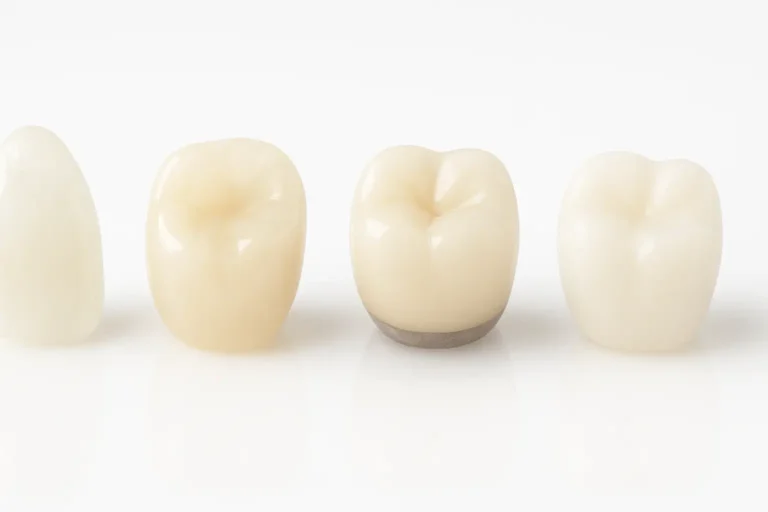
Zirconia ceramics (ZrO2), stabilized with yttria to prevent destructive phase transformation on cooling, have a flexural strength of approximately 900 to 1,200 MPa, making them the strongest dental ceramic currently in clinical use. Zirconia dental crowns and bridges replaced porcelain-fused-to-metal restorations as the clinical standard over the past two decades because of their superior fracture resistance and their ability to be milled from pre-sintered blocks by CAD/CAM systems. The global dental ceramics market is driven primarily by zirconia and lithium disilicate ceramics.
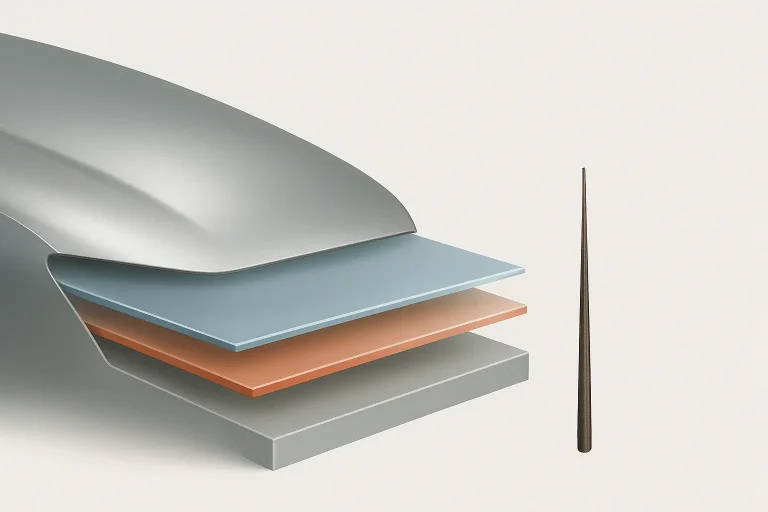
Ceramic thermal barrier coatings (TBCs) on turbine blades in jet engines are one of the most technically demanding ceramic applications in existence. Yttria-stabilized zirconia (YSZ) coatings applied by thermal spray or electron beam physical vapor deposition to nickel superalloy turbine blades allow the blade surface to operate at temperatures approximately 300°F (167°C) above the melting point of the underlying metal. This is possible because YSZ has extremely low thermal conductivity (approximately 2.0 W/mK, compared to 12 W/mK for nickel superalloy) and can sustain repeated thermal cycling without spalling, provided the bond coat and thermally grown oxide layer are correctly designed.
Silicon carbide (SiC) ceramics, sintered at temperatures above 3,600°F (2,000°C), are used in ceramic brake pads and rotors for high-performance vehicles and aircraft because of their ability to maintain friction coefficient and structural integrity at temperatures that would cause steel components to fail. The question of whether ceramic brake pads cause noise during break-in and normal use is directly connected to the hardness differential between the ceramic compound and the metal rotor, a property that traces directly back to the silica and carbide bonding chemistry of the ceramic material.
Bioceramics (hydroxyapatite, tricalcium phosphate, and bioglass formulations) are used in bone graft substitutes, dental implant coatings, and drug delivery systems because their chemical composition closely matches the mineral phase of human bone. Hydroxyapatite (Ca10(PO4)6(OH)2) is the primary mineral component of bone and tooth enamel. Synthetic hydroxyapatite ceramics promote bone ingrowth and osseointegration in ways that no metal or polymer implant material can match. According to research published in Acta Biomaterialia, porous hydroxyapatite scaffolds with pore sizes of 200 to 400 micrometers support vascular ingrowth and new bone formation at rates that allow complete scaffold resorption and replacement with natural bone tissue over a period of 12 to 24 months.
The Studio Pottery Movement: Ceramics as Fine Art and Cultural Critique
The Arts and Crafts movement of the late 19th century, led in England by figures including William Morris and John Ruskin, directly challenged the industrial reduction of ceramics to a commodity by reviving hand-craft production as an aesthetic and moral value. The movement argued that machine-made pottery, however technically consistent, had lost the human mark that gave objects meaning.
Bernard Leach (1887 to 1979) is the central figure of the 20th-century studio pottery movement. Leach trained in Japan under the mingei (folk craft) tradition, studied with Shoji Hamada, and brought a synthesis of Japanese and Korean folk pottery aesthetics to England. His “A Potter’s Book,” published in its first edition in 1940, remains one of the most widely read texts in ceramics. Leach advocated for high-fire stoneware and salt glaze, for functional ware with hand-made character, and for a direct relationship between the maker and the material that industrial production had severed.
The studio pottery movement created the context in which ceramics is understood today as a fine art medium with a continuous history from Neolithic vessels to contemporary gallery work. Contemporary ceramic artists including Lucie Rie, Hans Coper, Ken Price, Peter Voulkos, and Ai Weiwei each work (or worked) with ceramics in ways that engage directly with both the material history of fired clay and the contemporary art context. Peter Voulkos’s large-scale sculptural work of the 1950s and 1960s deliberately broke with the Leach tradition of functional ware and established ceramics as a medium for abstract expressionism. His work at the Otis College of Art and Design in Los Angeles, documented by Rose Slivka in “Peter Voulkos: A Dialogue with Clay” (New York Graphic Society), transformed how American ceramics education conceived of the relationship between pottery and sculpture.
A copy of Bernard Leach’s “A Potter’s Book” remains essential reading for anyone who wants to understand why contemporary studio ceramics looks the way it does and what cultural argument it is making.
The following chart shows the geographic distribution of major ceramic innovation milestones across civilizations, illustrating how widely ceramics knowledge developed independently and then interconnected through trade and conquest.
CERAMIC REFERENCE
Major Ceramic Innovations by Civilization and Approximate Era
Approximate period of each innovation by originating culture. Sources: Journal of Archaeological Science, British Museum collections, Orton Foundation historical records.
What Ceramics Reveal About a Civilization: The Archaeologist’s Perspective
Pottery sherds are the primary dating and cultural identification tool in field archaeology for most of human history between approximately 8,000 BCE and 1500 CE. This is not because ceramics are intrinsically more important than other artifact types but because they are the most abundant, the most datable, and the most culturally specific material in most sites.
Ceramic seriation (the ordering of pottery types by technological and stylistic change over time) was developed by the Egyptologist Sir William Matthew Flinders Petrie in the 1890s and remains a core archaeological method. Petrie observed that pottery forms and decorative styles change in recognizable, directional sequences over time within a given culture. By sorting pottery from different stratigraphic levels by these sequences, he could establish relative dates for deposits without radiocarbon analysis (which did not exist until 1949).
Ceramic petrography (the microscopic analysis of mineral inclusions in pottery paste under polarized light) allows archaeologists to identify the geological source of clay and temper materials used in a vessel. This technique can determine whether a pot was made locally or imported, trace trade routes, and identify the movement of specific potters or pottery-making communities. According to Michael Tite in “Methods of Physical Examination in Archaeology” (Academic Press), ceramic petrography was used to demonstrate that Beaker pottery (a distinctive early Bronze Age ceramic form found across Europe) was traded or carried across distances of up to 500 kilometers, implying Bronze Age exchange networks far more extensive than previously assumed.
X-ray fluorescence (XRF) analysis of ceramic glazes identifies the elemental composition of glaze materials, which varies by source region. XRF has been used to demonstrate that the cobalt pigment in 9th-century Abbasid ceramics came from a specific Persian source, that certain Chinese export porcelain was made at Jingdezhen rather than at provincial kilns, and that Islamic lustre pottery attributed to Persian workshops was in some cases made in Egypt. The ceramic object becomes a chemical document of trade, technology transfer, and economic history.
Frequently Asked Questions About Ceramics and Human Civilization
What is the oldest ceramic object ever found, and where was it discovered?
The oldest ceramic object currently known is the Venus of Dolni Vestonice, a small fired clay figurine approximately 11 centimeters tall, discovered in 1925 at a Gravettian site in the Pavlov Hills of what is now the Czech Republic. Radiocarbon dating places it at approximately 26,000 to 29,000 years before present, during the Upper Paleolithic. It predates the earliest known fired pottery vessels by approximately 6,000 to 9,000 years.
The figurine was fired at an estimated 1,300 to 1,470°F (700 to 800°C), consistent with open-fire or shallow pit-fire conditions. This temperature is below the minimum for true ceramic sintering (approximately 1,650°F / 900°C) but sufficient to permanently harden the object. The clay body contained powdered bone as a temper material.
Why did multiple civilizations independently invent ceramics without contact with each other?
Fired clay meets a set of universal human needs that naturally drive its independent invention: food storage resistant to pests and moisture, cooking vessels that can be placed directly over fire, containers that do not impart flavor or toxicity to food, and objects durable enough to survive seasonal moves. Clay is also universally available near water sources, and the basic transformation of wet clay to hard fired object is observable whenever clay is accidentally exposed to fire.
Independent ceramic traditions documented in China (approximately 20,000 years ago), Japan (approximately 16,500 years ago), the Russian Far East (approximately 13,000 years ago), and sub-Saharan Africa (approximately 11,000 years ago) all predate significant contact between these regions. The convergence of invention reflects convergent human need rather than cultural diffusion.
How did Chinese porcelain change global trade routes?
Chinese porcelain created demand in the Islamic world, East Africa, Southeast Asia, and eventually Europe that could not be satisfied by any locally produced alternative. European glass was fragile and opaque. Islamic tin-glazed earthenware was porous and had lower mechanical strength. Chinese porcelain offered a combination of translucency, vitrification (absorption below 0.5 percent), and decorative sophistication that was unprecedented.
The Silk Road carried Chinese ceramics west from the Tang Dynasty (618 to 907 CE) onward. Maritime routes through the South China Sea and Indian Ocean expanded the trade dramatically from the Song Dynasty (960 to 1279 CE). The Portuguese maritime route around Africa to Asia, established in 1498, was partly motivated by the desire to access Chinese porcelain and spices without paying Venetian and Ottoman intermediaries. The ceramic trade directly contributed to the acceleration of the Age of Exploration.
What is the difference between earthenware, stoneware, and porcelain historically?
Earthenware is the oldest ceramic category: fired at cone 06 to 04 (approximately 1,828 to 1,940°F / 998 to 1,060°C), it remains porous after firing with absorption rates typically above 5 percent. Most Neolithic, ancient Egyptian, Greek, Roman, and medieval European pottery is earthenware. Stoneware, fired at cone 6 to 10 (approximately 2,232 to 2,381°F / 1,222 to 1,305°C), achieves absorption rates below 3 percent and is effectively waterproof without glaze. It was developed in China approximately 3,500 years ago. Porcelain requires a high-kaolin clay body fired at cone 10 to 14 (approximately 2,381 to 2,552°F / 1,305 to 1,400°C) and achieves absorption below 0.5 percent with translucency. It was developed in China during the Tang Dynasty.
Use the table below to compare these three fundamental ceramic categories across the specifications that determined their historical roles.
| Category | Firing Range | Absorption Rate | Primary Kiln Type | First Documented | Key Civilization |
|---|---|---|---|---|---|
| Earthenware | Cone 06-04 (1,828-1,940°F / 998-1,060°C) | 5-15% | Open fire, pit, updraft | approx. 20,000 years ago | China, Mesopotamia, Egypt |
| Stoneware | Cone 6-10 (2,232-2,381°F / 1,222-1,305°C) | Below 3% | Dragon kiln, cross-draft | approx. 3,500 years ago | China (Shang Dynasty) |
| Porcelain | Cone 10-14 (2,381-2,552°F / 1,305-1,400°C) | Below 0.5% | Dragon kiln, anagama | approx. 1,300 years ago | China (Tang Dynasty) |
| Salt-glazed Stoneware | Cone 6-10 (2,232-2,381°F / 1,222-1,305°C) | Below 1% | Bottle kiln, climbing kiln | approx. 800 years ago | Germany (Rhineland) |
| Tin-glazed Earthenware | Cone 06-04 (1,828-1,940°F / 998-1,060°C) | 5-12% (body only) | Updraft, downdraft | approx. 1,300 years ago | Islamic world (Mesopotamia) |
| Raku | Cone 06-04 (1,828-1,940°F / 998-1,060°C) | Above 10% | Small top-loader, open fire | approx. 450 years ago | Japan (Kyoto) |
Did ancient ceramics contain toxic materials that made them dangerous to use?
Yes. Lead glaze, the most widely used glaze system in the world from approximately 500 BCE to the 20th century, releases lead into acidic foods and beverages stored in lead-glazed vessels, particularly at low firing temperatures (cone 06 to 04, 1,828 to 1,940°F / 998 to 1,060°C) where the lead is not fully immobilized in the glass matrix. Chronic low-level lead exposure from lead-glazed vessels used for storing wine, vinegar, and acidic foods contributed to lead poisoning in ancient Rome, medieval Europe, and colonial America. The use of lead-lined ceramic vessels for fermenting cider in 17th and 18th-century England caused documented epidemic-level lead poisoning in rural communities.
Modern ceramic glazes for functional ware in the United States must meet the FDA durability standards for lead and cadmium release (16 CFR Part 1303 for lead, 21 CFR Part 109.16 for cadmium), which effectively prohibit the use of raw lead oxide or lead carbonate in functional glaze formulas. A fired cone 6 commercial glaze from a reputable manufacturer is tested to confirm lead release below 0.5 mg/L and cadmium below 0.25 mg/L in the standard 24-hour acetic acid leach test.
How did the potter’s wheel spread from Mesopotamia to the rest of the world?
The fast-spinning potter’s wheel developed in Mesopotamia between approximately 4,500 and 3,500 BCE and spread primarily through trade contact and population movement rather than independent invention. Egypt adopted the wheel by approximately 2,700 BCE, shortly after the development of intensive trade and diplomatic contact with Mesopotamia. The Indus Valley civilization adopted it by approximately 2,600 BCE, coinciding with well-documented Mesopotamia-Indus trade routes evidenced by cylinder seals and material imports found at Mohenjo-daro.
The wheel reached Greece and the Aegean by approximately 2,500 BCE and spread through Europe along Mediterranean trade networks over the following 2,000 years. Some regions of sub-Saharan Africa and pre-Columbian Americas developed sophisticated coil-built and paddle-and-anvil ceramic traditions entirely without the wheel, producing technically comparable results through different methods. The wheel is a significant productivity advantage for symmetrical throwing but not a prerequisite for high-quality ceramics.
Can archaeological ceramics tell us what people ate thousands of years ago?
Yes, with high reliability. Lipid residue analysis on interior ceramic surfaces detects absorbed organic compounds from food and beverage preparation and storage. Animal fats, plant oils, fish lipids, beeswax, dairy fats, and fermented beverage residues all leave distinctive lipid profiles that survive in porous ceramic walls for thousands of years. According to research published in the Proceedings of the National Academy of Sciences by Richard Evershed and colleagues, lipid analysis of Neolithic pottery from northern Europe (approximately 6,000 to 5,000 years old) confirmed that dairy processing (cheese-making or milk storage) was practiced from the earliest period of cattle domestication, answering a long-standing question about when lactase persistence became advantageous in European populations.
Starch granule analysis from ceramic residues identifies specific plant species processed in vessels. Ceramic vessels with carbon deposits on exterior surfaces confirm direct fire contact and cooking use. The combination of lipid, starch, and carbon residue analysis allows reconstruction of specific food preparation practices from ceramics with no surviving organic remains.
Why did European countries try so hard to copy Chinese porcelain, and what made it so difficult?
True hard-paste porcelain requires three conditions that proved extremely difficult to replicate without understanding the chemistry: a high-kaolin clay body (at least 40 to 50 percent kaolinite content) with low iron contamination, a feldspar-silica glaze that matures at the same cone as the body (cone 10 to 12, approximately 2,381 to 2,426°F / 1,305 to 1,330°C), and a kiln capable of sustaining those temperatures uniformly across a large chamber. Most European clays are too iron-rich, too plastic, and too low-firing to behave like kaolin. European glass-makers and potters spent approximately 200 years experimenting with soft-paste formulas (using glass frit as a substitute for the feldspathic flux in the clay body) before kaolin was identified as the critical raw material.
The Meissen breakthrough in 1708 required discovering kaolin deposits in Saxony and recognizing their identity with the Chinese material. Even after the formula was established, controlling firing temperature consistently enough to avoid warping and over-firing in large kilns required another decade of kiln design improvement. The technical difficulty was real, not merely a matter of industrial secrecy.
Is handmade pottery better or worse than machine-made pottery for food use?
For food safety, the firing temperature and glaze chemistry matter far more than whether the vessel was hand-made or machine-made. A hand-thrown stoneware mug fired to cone 6 (2,232°F / 1,222°C) with a lead-free commercial glaze is as food-safe as any factory piece. A hand-built earthenware bowl with a low-fire lead-based glaze is as potentially hazardous as any historical mass-produced piece using the same materials.
For durability, machine-made ceramics generally have more consistent wall thickness, which reduces stress concentration and improves chip resistance. Hand-thrown pieces vary more in wall thickness, which can create localized stress points. For thermal performance, a thicker hand-thrown vessel retains heat longer than a thin machine-pressed piece of the same volume. Neither production method is categorically superior for functional use. The variables that actually matter are clay body maturation temperature, glaze fit (thermal expansion coefficient match between glaze and clay body), and glaze chemistry.
What caused glaze defects like pinholes in historical ceramics, and how did ancient potters fix them?
Pinholes in ceramic glaze occur when gases escaping from the clay body or glaze during firing create bubbles in the glaze melt that do not have time to heal before the glaze surface solidifies on cooling. The gases come from organic matter burning out, carbonate decomposition (calcium carbonate releasing CO2 above approximately 1,470°F / 800°C), and sulfur compounds in the clay. Ancient potters addressed this empirically by slowing the firing rate through the critical temperature range, by using a longer hold time at peak temperature to allow the glaze melt to flow and heal, and by bisque-firing to burn out organics before glazing. Our detailed technical analysis of what causes pinholes in ceramic glaze and how to eliminate them covers the same chemistry that determined whether a 10th-century Song Dynasty celadon bowl came out of the kiln perfect or defective.
How did ceramics contribute to the development of writing?
Cuneiform, the first writing system, was recorded primarily on clay tablets. Mesopotamian clay tablets (dating from approximately 3,200 BCE onward) were used for accounting, legal contracts, literature, astronomical records, and correspondence across the ancient Near East. The properties of clay that made it suitable for writing are the same that made it suitable for pottery: it is plastic when wet, holds an impression precisely, and hardens permanently when dried or fired. Many cuneiform tablets were not fired (air-dried clay sufficed for temporary records) but important documents were fired to ensure permanent preservation. The British Museum holds approximately 130,000 cuneiform tablets.
The use of ceramic materials for writing also extends to Greek ostraka (pottery sherds used as ballots and informal writing surfaces, giving us the word “ostracism”), Roman tile stamps (fired clay tiles stamped with legion or workshop identifications), and Chinese oracle bones (while primarily bone, the practice of incising script on fired ceramic surfaces developed alongside oracle bone script). The relationship between ceramics and writing runs through the entire ancient world.
Are modern advanced ceramics made from the same clay as pottery?
No. Most advanced engineering ceramics are made from chemically purified synthetic compounds rather than naturally occurring clay minerals. Alumina ceramics for orthopedic implants use greater than 99.5 percent pure aluminum oxide powder, sintered at temperatures above 2,900°F (1,600°C). Zirconia dental ceramics use yttria-stabilized zirconia powder with controlled grain size distribution. Silicon carbide ceramics use chemically synthesized SiC powder. These materials share the fundamental ceramic definition (inorganic, non-metallic, hardened by heat) with earthenware and stoneware but bear no mineralogical relationship to pottery clay.
The exception is some technical ceramics that still use kaolin-derived materials. Mullite (3Al2O3 * 2SiO2), a primary phase in fired kaolin-rich ceramics, is deliberately synthesized for high-temperature refractories and kiln furniture. The kiln shelves and posts used in modern studio kilns are typically made from cordierite-mullite or silicon carbide compositions, bridging the gap between traditional pottery ceramics and advanced engineered materials.
Conclusion
Ceramics have been the most persistent and revealing material in human civilization for at least 20,000 years. From Paleolithic figurines to Tang Dynasty porcelain trade routes, from Islamic tin glaze to Wedgwood’s industrial revolution, from Leach’s studio pottery movement to zirconia dental implants, fired clay has tracked and enabled every major development in how humans live, eat, build, trade, and understand themselves.
The chemistry that makes ceramics durable (silica-alumina-flux bonding at temperatures above 1,800°F / 982°C) is unchanged from the first Neolithic kiln to a modern electric studio kiln. What has changed is our precision in applying it.
If you want to understand ceramics at the materials science level that underlies all of this history, start with the fundamentals of clay mineral chemistry, vitrification thresholds, and thermal expansion. That foundation connects the Venus of Dolni Vestonice to the dental crown in your mouth and to every fired pot on your kitchen shelf.