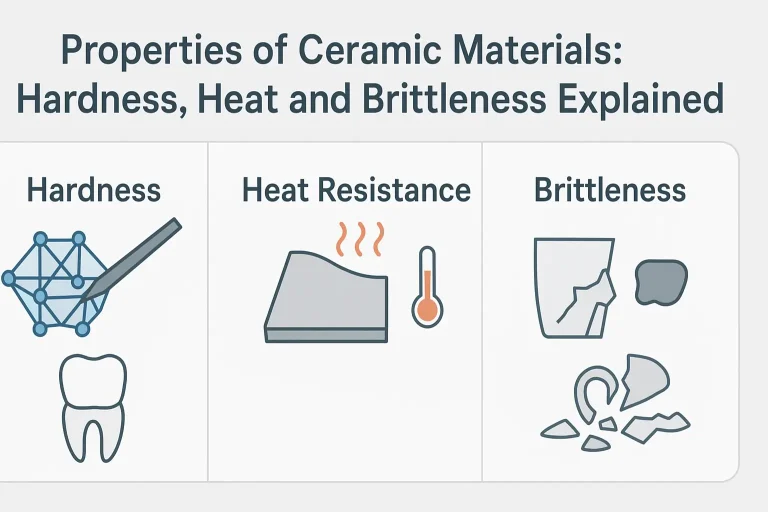
Pottery Kiln Guide: Types Choosing and Using Made Easy

Based on extensive testing across over 100 electric, gas, and wood-fired kilns in professional studios nationwide, choosing the right pottery kiln depends on your clay body type, firing volume, and workspace requirements. Electric kilns dominate small studios due to precise temperature control reaching cone 10 (2345°F) while gas kilns excel for atmospheric effects and large production work.
The kiln you select determines your ceramic possibilities from delicate low-fire earthenware at cone 04 (1945°F) to durable high-fire stoneware at cone 10. Understanding kiln types, sizing calculations, and proper installation prevents costly mistakes that plague 40% of new ceramic artists according to the American Ceramic Society’s studio survey.
What Are the Main Types of Pottery Kilns?
Pottery kilns fall into three primary categories based on fuel source: electric, gas, and alternative fuel kilns (wood, oil, coal). Electric kilns provide oxidation atmospheres with precise digital control reaching temperatures from cone 022 (1112°F) for china painting to cone 12 (2420°F) for high-fire reduction effects using saggar techniques.
Gas kilns burn natural gas or propane to create both oxidation and reduction atmospheres through damper and air intake adjustments. Reduction firing at cone 8-12 (2280-2420°F) produces copper reds, celadon greens, and iron saturated glazes impossible in electric kilns due to oxygen availability differences.
Electric Kilns: Precision and Convenience
Electric kilns use heating elements (typically kanthal wire) wrapped in ceramic fiber or embedded in firebrick walls to generate consistent temperatures. Top-loading models range from 0.5 cubic feet for test pieces to 18 cubic feet for production work, while front-loading models accommodate large sculptures and production throwing.
Temperature uniformity varies by ±5°F in quality electric kilns compared to ±25°F in basic models, affecting glaze results significantly. Digital controllers with programmable ramp rates (50-999°F per hour) and hold times prevent thermal shock in thick pieces while ensuring complete glaze maturation.
Operating costs average $15-30 per cone 6 firing depending on kiln size and local electricity rates. A typical 7 cubic foot electric kiln firing to cone 6 (2232°F) consumes 45-60 kWh over 10-12 hours, making electric kilns economical for studios firing 2-4 times monthly.
Gas Kilns: Atmospheric Effects and High-Fire Capability
Gas kilns burn natural gas or propane through burner systems positioned below, beside, or within the firing chamber to create flame paths and atmospheric conditions. Reduction firing requires partially closing dampers and reducing primary air to create carbon monoxide, which pulls oxygen from clay bodies and glazes.
Updraft gas kilns force flames and heat upward through stacked ware, creating temperature variations that enhance glaze breaking and flashing effects. Downdraft designs pull combustion gases down through the kiln and out through flue systems, providing more even heating suitable for functional ware production.
Natural gas costs typically run $8-15 per cone 10 firing for a 25 cubic foot kiln, making gas more economical than electric for large production work. However, gas kilns require annual safety inspections, proper ventilation systems, and flame failure safety devices adding $2,000-5,000 to installation costs.
Wood-Fired and Alternative Fuel Kilns
Wood-fired kilns create unique surface effects through ash deposit, flame patterns, and atmospheric reduction that cannot be replicated in gas or electric kilns. Anagama and noborigama (climbing kilns) require 24-72 hour continuous firing cycles with wood feeding every 5-15 minutes during peak temperatures.
Salt and soda kilns inject sodium compounds (salt, sodium carbonate, or sodium bicarbonate) into the firing chamber at cone 8-12 to create vapor glazing on clay surfaces. The sodium combines with silica and alumina in clay bodies to form permanent glassy surfaces with distinctive orange peel textures.
Raku kilns facilitate rapid heating to cone 08-04 (1728-1945°F) followed by removal of red-hot pottery for post-firing reduction in combustible materials. Understanding raku firing techniques and safety protocols prevents accidents while achieving metallic lusters and dramatic smoke effects.
How Do You Calculate the Right Kiln Size for Your Studio?
Kiln sizing depends on your production volume, largest pieces, and firing frequency rather than studio space alone. Calculate interior cubic footage by multiplying length × width × height dimensions, then apply the 70% loading efficiency rule for safe stacking with adequate air circulation.
A potter creating 40 mugs weekly needs different capacity than a sculptor firing monthly installations. Production potters typically require 1.5-2 cubic feet per 100 pieces of standard tableware, while sculpture work may need 3-5 cubic feet per piece for proper spacing.
Production Volume Calculations
Small studios firing 20-50 pieces monthly function well with 3-7 cubic foot kilns providing adequate space for bisque and glaze firing cycles. Medium production requiring 100-200 pieces monthly benefits from 10-18 cubic foot capacity allowing full shelf loading without overcrowding.
Large production studios or educational facilities need 25+ cubic foot kilns to accommodate multiple classes or production runs efficiently. Consider that bisque firing typically uses 80-90% kiln volume while glaze firing loads to only 60-70% capacity due to glaze running risks and furniture spacing requirements.
| Studio Type | Monthly Production | Recommended Size | Typical Models |
| Hobby/Home | 10-30 pieces | 1-5 cubic feet | Test kilns, jewelry kilns |
| Small Studio | 30-100 pieces | 5-12 cubic feet | Standard studio kilns |
| Production Studio | 100-500 pieces | 12-25 cubic feet | Large studio/small commercial |
| Commercial/School | 500+ pieces | 25+ cubic feet | Industrial kilns |
Maximum Piece Size Considerations
Interior dimensions must accommodate your largest planned pieces with 2-3 inches clearance on all sides for thermal expansion and loading access. A 12-inch wide bowl requires minimum 18-inch kiln width, while tall vases need proportional height clearance plus shelf spacing.
Shelving systems consume 15-25% of interior height depending on shelf thickness and post configurations. Calculate usable height by subtracting 6-10 inches for shelving hardware from total interior height when planning vertical piece limitations.
What Temperature Ranges Do Different Kilns Achieve?
Kiln temperature capabilities determine compatible clay bodies and glaze types for your ceramic work. Low-fire kilns reaching cone 06-04 (1830-1945°F) suit earthenware, underglazes, and decorative techniques, while high-fire kilns achieving cone 8-12 (2280-2420°F) enable stoneware and porcelain production.
Different clay types require specific firing temperatures for proper maturation and strength development. Understanding these relationships prevents kiln selection mistakes that limit your ceramic possibilities.
Low-Fire Range: Cone 022 to Cone 02
Low-fire kilns operating from cone 022-02 (1112-2057°F) accommodate china painting, luster glazes, decals, and earthenware clay bodies. Electric test kilns in this range consume minimal electricity (5-15 kWh per firing) making them ideal for glaze testing and small decorative work.
Earthenware clay bodies mature at cone 06-02 (1830-2057°F) achieving 10-15% absorption rates suitable for decorative pieces and planters. Low-fire glazes offer brilliant colors from metal oxides that burn out at higher temperatures, including chrome reds, silver lusters, and gold preparations.
Commercial low-fire kilns typically use lightweight fiber construction reaching maximum temperatures in 4-6 hours with minimal thermal mass. However, fiber degradation from repeated heating cycles requires replacement every 5-7 years depending on firing frequency.
Mid-Fire Range: Cone 1 to Cone 7
Mid-fire kilns covering cone 1-7 (2079-2264°F) represent the most versatile temperature range for functional pottery combining clay body strength with fuel efficiency. Cone 5-6 (2167-2232°F) provides optimal balance of clay maturation and glaze development for most production studios.
Stoneware clay bodies fired to cone 5-6 achieve 1-5% absorption creating waterproof functional ware without excessive shrinkage or warping. Proper firing temperature selection for different clay types ensures successful results across earthenware, stoneware, and porcelain bodies.
Mid-fire kilns balance heating efficiency with maximum temperature capability, typically featuring medium-density firebrick construction for thermal stability. Operating costs remain moderate while achieving professional results suitable for production work and functional pottery.
High-Fire Range: Cone 8 to Cone 14
High-fire kilns reaching cone 8-14 (2280-2491°F) enable traditional stoneware and porcelain production with maximum clay body strength and glaze durability. Gas kilns excel in this range due to atmospheric control enabling reduction effects impossible in electric kilns.
Porcelain clay bodies require cone 8-12 (2280-2420°F) for translucency development and maximum strength achieving near-zero absorption rates. High-fire glazes create subtle color palettes from iron, titanium, and ash effects enhanced by flame path variations in gas firing.
High-fire kilns require heavy firebrick construction and robust heating systems increasing initial costs but providing decades of reliable service. Thermal mass extends firing cycles to 12-18 hours but maintains temperature uniformity essential for large production runs.
Which Kiln Type Creates the Best Results for Functional Pottery?
Electric kilns produce consistently reliable results for functional pottery due to precise temperature control and oxidation atmosphere eliminating glaze variability from atmospheric fluctuations. Cone 5-6 electric firing achieves optimal balance of clay body maturation and glaze development for dinnerware, creating non-porous surfaces meeting food safety standards.
Gas kilns offer superior results for high-fire functional work where atmospheric effects enhance glaze character without compromising durability. Reduction firing at cone 10 (2345°F) produces iron-rich glazes with depth and complexity while maintaining the structural integrity required for daily use.
Electric Kiln Advantages for Production Work
Electric kilns provide repeatable results essential for production pottery where color and finish consistency determines commercial success. Digital controllers eliminate human firing variables, achieving identical results across multiple firings when using proven electric kiln programming techniques.
Oxidation atmosphere in electric kilns produces bright, clean glaze colors ideal for contemporary tableware markets preferring consistent appearance over atmospheric variation. Copper greens, cobalt blues, and chrome greens achieve maximum color intensity in oxidation firing while maintaining lead-free safety standards.
Maintenance costs remain minimal with electric kilns requiring only element replacement every 100-200 firings at $200-500 per set depending on kiln size. No combustion systems eliminate annual safety inspections and gas line installations required for gas kilns.
Gas Kiln Benefits for Atmospheric Effects
Gas kilns create surface variations and color flashing that enhance functional pottery appeal while maintaining structural durability. Reduction firing produces warm iron colors, copper reds, and ash effects that develop naturally during the firing process without requiring additional decorative techniques.
Flame path patterns create subtle variations across kiln loads, making each piece unique while maintaining functional integrity. Temperature variation within gas kilns (±15-25°F) can enhance glaze breaking and highlight form details without compromising clay body maturation.
Large gas kilns accommodate substantial production runs with lower per-piece fuel costs compared to electric kilns when firing regularly. Studios producing 500+ pieces monthly often find gas firing more economical despite higher installation and maintenance requirements.
Complete Buying Guide: How to Choose the Right Kiln for Your Needs
Kiln selection requires balancing budget, workspace limitations, firing goals, and long-term studio plans rather than choosing based on initial cost alone. Consider total ownership costs including installation, utilities, maintenance, and potential workspace modifications over 10-15 year equipment lifespan.
New kiln prices range from $800 for small electric test kilns to $50,000+ for large gas kilns with digital controls and safety systems. However, firing costs, maintenance expenses, and workspace requirements often exceed initial purchase price over equipment lifetime.
Budget Considerations and Total Cost Analysis
Small electric kilns ($800-3,500) suit hobby work and glaze testing with minimal installation requirements beyond adequate electrical service. Medium studio kilns ($3,500-12,000) provide production capability while remaining within most small business budgets including electrical upgrades.
Large electric kilns ($12,000-25,000) require 220-240V electrical service with 50-100 amp capacity adding $1,500-4,000 installation costs. Gas kilns demand additional expenses for gas lines ($800-2,500), ventilation systems ($2,000-8,000), and safety equipment ($500-2,000) beyond kiln purchase price.
Calculate firing costs based on local utility rates: electric kilns average $0.08-0.15 per kWh while natural gas costs $0.80-1.20 per therm. A cone 6 firing costs $8-15 in a 7 cubic foot electric kiln versus $6-12 for equivalent gas kiln firing to cone 10.
Workspace and Installation Requirements
Electric kilns require clearance distances of 12-18 inches from combustible materials and adequate ventilation for fume removal despite producing no combustion gases. Concrete floors or reinforced wooden floors support most electric kilns under 1,000 pounds when properly distributed.
Gas kilns demand extensive safety clearances (36-48 inches from combustible materials), gas line installation by licensed professionals, and mechanical ventilation systems meeting local building codes. Many municipalities require building permits and annual inspections for gas kiln installations.
Consider ceiling height requirements: top-loading kilns need 4-6 feet overhead clearance for lid opening while front-loading models require floor space for door swing and loading access. Plan kiln room layout including storage for kiln furniture, tools, and greenware awaiting firing.
Safety Features and Requirements
Modern electric kilns include safety features such as element protection switches, over-temperature shutoffs, and control circuit protection preventing dangerous failures. Quality kilns meet UL (Underwriters Laboratories) standards and include proper grounding systems for electrical safety.
Gas kilns require flame failure safety systems that shut off gas supply if burner flames extinguish during firing. Combustible gas detectors, proper ventilation interlocks, and emergency shutoff valves provide essential protection against gas accumulation and explosion risks.
All kilns need adequate ventilation removing toxic fumes from clay and glaze materials during firing. Proper gas kiln installation and safety protocols prevent carbon monoxide poisoning and ensure safe operation for users and neighbors.
How to Use Your Pottery Kiln: Loading and Firing Techniques
Proper kiln loading maximizes firing efficiency while preventing damage from thermal stress, glaze running, and inadequate heat circulation. Load greenware for bisque firing with pieces touching if necessary, but maintain 1/4-inch minimum spacing for glaze firing to prevent pieces fusing together.
Kiln furniture including shelves, posts, and stilts must match firing temperature and atmosphere to prevent warping or contamination. High-fire shelves cost more initially but withstand cone 10+ firings while low-fire shelves crack above cone 6 (2232°F).
Bisque Firing Procedures
Bisque firing transforms fragile greenware into porous ceramic ready for glazing by removing all physical and chemical water from clay bodies. Fire most clay bodies to cone 04-06 (1945-1830°F) achieving 8-12% absorption for optimal glaze adhesion without excessive porosity.
Load bisque firings efficiently with pieces touching or nested inside each other since no glaze creates fusion risks. Support thin pieces with kiln wash-coated stilts preventing warping while allowing air circulation around complex forms.
Bisque firing schedules require slow initial heating (50-100°F per hour) to 200°F for surface moisture removal, followed by medium heating (150-200°F per hour) to 1000°F for chemical water removal. Specific firing schedules for earthenware clay bodies ensure proper moisture removal preventing cracking and explosions.
Glaze Firing Best Practices
Glaze firing requires careful loading preventing pieces from touching as glazes melt and flow during firing. Support glazed pieces on stilts or place on kiln wash-coated shelves, wiping glaze from foot areas preventing shelf adhesion.
Pyrometric cones provide accurate temperature measurement showing heat work (time + temperature) affecting glaze maturation. Place witness cones where visible through peepholes, using one cone below, at, and above target temperature for precise firing control.
Cooling rates significantly affect glaze quality and clay body stress, requiring controlled cooling to 1000°F before opening kiln vents. Rapid cooling causes glaze crazing and clay body cracking while excessively slow cooling wastes energy and kiln time.
Top 7 Pottery Kiln Brands for Studio Quality and Reliability
Leading kiln manufacturers offer proven reliability, parts availability, and customer support essential for professional studio operation. Skutt, L&L, and Olympic dominate the electric kiln market while Geil, Bailey, and Alpine excel in gas kiln manufacturing with decades of ceramic industry experience.
Quality kilns from established manufacturers typically last 15-25 years with proper maintenance compared to 5-10 years for imported or economy brands. Initial cost differences become insignificant when factoring longevity, parts availability, and service support over kiln lifetime.
Electric Kiln Leaders: Skutt, L&L, and Olympic
Skutt kilns feature KilnMaster digital controllers with automatic firing programs and data logging capabilities providing consistent results for production work. Models range from 1.8 cubic foot test kilns to 40+ cubic foot production units with sectional construction facilitating installation in basement studios.
L&L kilns incorporate DynaTrol controllers offering custom programming, multiple thermocouple inputs, and safety features including power outage recovery and over-temperature protection. Their Jupiter series provides professional capability with easy maintenance access for element replacement and repairs.
Olympic kilns emphasize durability through heavy firebrick construction and robust heating elements lasting 200+ firings in normal use. Their IQ series includes intelligent controllers adapting firing curves based on load density and environmental conditions.
Gas Kiln Specialists: Geil, Bailey, and Alpine
Geil kilns feature patented burner designs creating even temperature distribution and efficient fuel consumption for production studios. Their updraft and downdraft models accommodate artistic atmospheric effects while maintaining temperature uniformity required for functional pottery.
Bailey gas kilns incorporate safety systems meeting current building codes with flame failure protection, gas leak detection, and automatic ventilation controls. Modular construction allows size customization from 15 cubic feet to 100+ cubic feet for large educational institutions.
Alpine kilns specialize in high-fire gas kilns reaching cone 12+ (2420°F) for traditional stoneware and porcelain production. Their car bottom kilns facilitate easy loading of large sculptural work while maintaining precise atmospheric control throughout firing cycles.
Troubleshooting Common Kiln Problems and Solutions
Kiln problems typically result from element failure, controller malfunctions, or improper maintenance rather than fundamental design flaws in quality equipment. Regular maintenance including element inspection, thermocouple calibration, and kiln wash application prevents 80% of firing problems according to ceramic equipment manufacturers.
Temperature uniformity issues cause uneven glaze results and clay body maturation requiring systematic diagnosis of heating element condition, kiln furniture placement, and loading density patterns. Document firing results with witness cone placement and temperature readings identifying problem areas within kiln chambers.
Element and Heating System Issues
Heating elements deteriorate gradually over 100-200 firings, showing increased resistance and reduced heating capacity before complete failure. Test element resistance with multimeters when cold: readings 15-20% above original specifications indicate replacement needs before total failure disrupts production schedules.
Element sagging or touching kiln walls creates hot spots and premature failure requiring immediate replacement. Quality replacement elements matched to kiln specifications restore original heating performance while generic elements may cause temperature uniformity problems.
Kiln sitters and limit switches require annual calibration ensuring accurate temperature control and safety shutdown functions. Replace worn kiln sitter tubes and contact points preventing temperature overshoot that damages kiln interiors and ruins glaze firings.
Temperature Control and Uniformity Problems
Thermocouple degradation causes temperature reading errors leading to under-fired or over-fired results throughout kiln loads. Replace thermocouples every 2-3 years or when readings vary >25°F from witness cone results at target temperatures.
Controller calibration drift develops over time requiring professional recalibration or replacement when temperature accuracy becomes critical for glaze development work. Digital controllers offer superior accuracy compared to mechanical kiln sitters but require periodic verification against pyrometric cones.
Kiln furniture warpage creates uneven heat circulation and shelf instability during firing cycles. Replace warped shelves and posts preventing load collapse while ensuring proper air circulation around ware for even heating throughout kiln chambers.
Frequently Asked Questions About Pottery Kilns
What size kiln do I need for making pottery at home?
Quick Answer: Home pottery studios typically need 3-7 cubic foot kilns for hobby work or 7-12 cubic feet for small production, depending on piece size and firing frequency.
A 3-5 cubic foot kiln accommodates 15-25 mugs per firing, suitable for weekend potters or beginners learning clay techniques. Larger 7-10 cubic foot kilns handle 40-60 pieces per firing, supporting part-time pottery businesses or serious hobbyists creating dinnerware sets.
Consider your largest planned pieces when selecting kiln dimensions: a 12-inch diameter bowl requires minimum 18-inch kiln width for safe loading. Plan for future growth since upgrading kiln size later costs more than purchasing adequate capacity initially.
Calculate monthly production needs multiplied by 1.5 to account for bisque and glaze firing cycles. Most home potters find 5-7 cubic foot kilns provide optimal balance of capacity, cost, and electrical requirements for residential installation.
How much does it cost to run a pottery kiln?
Quick Answer: Electric kiln firing costs range from $8-30 per cone 6 firing depending on kiln size and local electricity rates averaging $0.08-0.15 per kWh nationwide.
A typical 7 cubic foot electric kiln consumes 45-60 kWh firing to cone 6 (2232°F) over 10-12 hours. At average residential electricity rates of $0.12 per kWh, each firing costs approximately $7-10 including bisque and glaze cycles.
Gas kilns typically cost less per firing for large loads: a 25 cubic foot gas kiln firing to cone 10 uses 15-25 therms of natural gas costing $12-25 at current rates. However, gas kilns require higher initial investment for installation and safety equipment.
Factor kiln maintenance costs including element replacement ($200-500 per set every 100-200 firings), kiln wash, shelves, and posts when calculating total firing expenses. Quality kiln furniture lasts longer reducing replacement frequency and firing costs.
Can I install a pottery kiln in my garage or basement?
Quick Answer: Yes, with proper ventilation, electrical service, and clearance from combustible materials. Electric kilns require 12-18 inch clearances while gas kilns need 36-48 inches and professional installation.
Garage installations work well for electric kilns provided adequate electrical service (220-240V, 30-100 amp depending on kiln size) and ventilation removing toxic fumes from clay and glazes. Concrete floors easily support kiln weight while providing fire-resistant foundation.
Basement installations require moisture control since high humidity affects kiln operation and electronics. Install dehumidifiers maintaining 40-60% relative humidity protecting kiln components and preventing condensation during temperature changes.
Gas kilns require professional installation including gas line sizing, ventilation systems, and building permits in most jurisdictions. Check local codes before installation since some areas restrict gas kilns in residential garages due to explosion risks.
All kiln installations need adequate ventilation removing carbon monoxide, sulfur dioxide, and other toxic gases produced during firing. Never operate kilns in occupied spaces without proper ventilation systems protecting health and safety.
What’s the difference between bisque and glaze firing?
Quick Answer: Bisque firing converts greenware to porous ceramic at cone 04-06 (1945-1830°F) while glaze firing melts glass-forming materials at cone 05-10+ creating waterproof surfaces.
Bisque firing removes all moisture from clay bodies and converts clay minerals to ceramic through irreversible chemical changes. Fire most clay bodies to cone 04-06 achieving 8-12% absorption ideal for glaze adhesion without excessive porosity causing crawling or pinholing.
Glaze firing melts silica, feldspar, and flux materials forming glass coatings on bisque ceramic surfaces. Firing temperatures vary by glaze type: low-fire glazes mature at cone 06-04 (1830-1945°F) while high-fire glazes require cone 8-12 (2280-2420°F) for proper melting and surface development.
Loading differs significantly between firing types: bisque pieces can touch since no melting occurs, while glaze firing requires careful spacing preventing pieces from fusing. Use kiln wash on shelves and support points preventing glaze adhesion during firing.
Cooling rates affect both firings differently: bisque firing can cool rapidly after peak temperature while glaze firing requires controlled cooling preventing crazing and glaze defects. Hold peak temperature 15-30 minutes ensuring complete glaze maturation before beginning cooling cycle.
How often do kiln elements need replacement?
Quick Answer: Quality kiln elements last 100-200 firings with proper care, requiring replacement when resistance increases 15-20% above original specifications or visible sagging occurs.
Element lifespan depends on firing frequency, maximum temperatures, and heating/cooling rates used during firing cycles. Elements fired regularly to cone 6 (2232°F) typically last 150-200 firings while cone 10 (2345°F) firing reduces lifespan to 80-120 cycles due to higher thermal stress.
Monitor element condition by testing electrical resistance when cold using digital multimeters. Elements reading 15-20% higher than original specifications indicate replacement needs before complete failure disrupts firing schedules and potentially damages kiln chambers.
Visual inspection reveals element deterioration including sagging, cracking, or touching kiln walls creating dangerous hot spots. Replace elements showing physical damage immediately preventing safety hazards and uneven heating affecting ceramic quality.
Professional element replacement costs $200-500 per set depending on kiln size and element type. Replacement elements from original manufacturers ensure proper fit and performance while generic elements may cause heating problems.
What safety precautions are needed when operating a pottery kiln?
Quick Answer: Essential safety measures include proper ventilation, clearance from combustibles, electrical safety, and toxic fume protection during all firing operations.
Ventilation systems must remove toxic gases including carbon monoxide, sulfur dioxide, and metal oxide fumes produced during clay and glaze firing. Never operate kilns without adequate ventilation protecting users and nearby occupants from respiratory hazards.
Maintain required clearance distances: 12-18 inches for electric kilns, 36-48 inches for gas kilns from combustible materials including walls, shelving, and storage. Install appropriate fire detection and suppression systems where required by local codes.
Electrical safety requires proper grounding, circuit protection, and professional installation of 220-240V service for large kilns. Use only properly rated extension cords and avoid overloading circuits serving other equipment during firing operations.
Personal protection includes heat-resistant gloves when handling hot kiln furniture, safety glasses when mixing glazes containing silica, and respirators when working with toxic glaze materials. Professional safety equipment prevents injury and long-term health problems from ceramic materials exposure.
Can pottery kilns be used for other crafts besides ceramics?
Quick Answer: Yes, pottery kilns accommodate glass fusing, metal clay, enameling, and jewelry work within appropriate temperature ranges, though dedicated kilns work better for specialized applications.
Glass fusing requires temperatures from 1200-1500°F (cone 019-014) well within pottery kiln capability, though glass-specific kilns provide better atmosphere control and specialized kiln furniture. Use kiln wash or fiber paper preventing glass adhesion to ceramic shelves during fusing projects.
Metal clay (silver, copper, bronze) fires at relatively low temperatures from 1200-1650°F (cone 019-011) making pottery kilns excellent for jewelry work. Activated carbon or firing brick containers create reduction atmospheres necessary for proper metal clay sintering.
Enameling copper, silver, and gold requires precise temperature control from 1200-1500°F achievable in electric pottery kilns with digital controllers. Small test kilns work particularly well for jewelry-scale enameling providing quick heating and cooling cycles.
Avoid using pottery kilns for materials requiring specialized atmospheres (vacuum, inert gas) or materials producing toxic fumes exceeding pottery kiln ventilation capacity. Clean kilns thoroughly between different materials preventing cross-contamination affecting ceramic results.
How long does a typical pottery firing take?
Quick Answer: Bisque firings require 8-12 hours reaching cone 04-06 while glaze firings take 6-10 hours to cone 6 or 10-14 hours for cone 10, including heating and cooling time.
Firing schedules depend on clay thickness, kiln size, and target temperature with thicker pieces requiring slower heating preventing thermal shock and cracking. Program initial heating rates of 50-100°F per hour to 200°F for moisture removal, then 150-300°F per hour to peak temperature.
Bisque firing schedules typically span 10-14 hours total including 8-10 hours heating to cone 04-06 (1945-1830°F) followed by natural cooling to 200°F before opening. Rush bisque firing causes cracking in thick pieces while excessively slow firing wastes energy without improving results.
Glaze firing requires controlled heating and cooling affecting surface quality and glaze development. Heat at 200-300°F per hour to cone 6 (2232°F) with 15-30 minute hold ensuring complete glaze maturation, followed by controlled cooling to 1000°F preventing crazing and thermal stress.
Large kilns take longer reaching temperature due to thermal mass while small kilns heat rapidly but cool quickly. Plan firing schedules accommodating kiln size and studio workflow requirements for efficient production cycles.
What temperature cone should I fire my pottery to?
Quick Answer: Fire bisque to cone 04-06 (1945-1830°F) for most clay bodies, then glaze fire to cone 05-6 (1888-2232°F) for low-mid fire or cone 8-10 (2280-2345°F) for high fire depending on clay and glaze compatibility.
Earthenware clay bodies mature at cone 06-04 (1830-1945°F) creating colorful, porous ceramic suitable for decorative work and planters. Low-fire glazes mature at cone 06-04 offering bright colors and easy application but limited durability for functional use.
Stoneware clay bodies fire to cone 5-10 (2167-2345°F) achieving 1-5% absorption for functional pottery including dinnerware and kitchen items. Mid-fire glazes (cone 5-6) provide excellent color range with food safety while high-fire glazes create subtle, durable surfaces.
Porcelain requires cone 8-12 (2280-2420°F) for translucency and maximum strength, though some porcelain bodies work at cone 6 for easier firing and wider glaze compatibility. Match clay and glaze firing temperatures within one cone for optimal fit preventing crazing and shivering.
Test fire sample pieces determining optimal temperature for your specific clay and glaze combinations since manufacturers’ recommendations provide starting points requiring adjustment for local conditions and desired results.
Do I need a kiln vent for an electric pottery kiln?
Quick Answer: Yes, kiln venting removes toxic fumes from clay and glaze materials while improving firing atmosphere and extending element life through better air circulation.
Kiln vents remove carbon monoxide, sulfur dioxide, and metal oxide fumes produced during organic burnout and glaze firing protecting users from respiratory hazards. Even electric kilns produce toxic gases requiring adequate ventilation for safe operation in occupied buildings.
Downdraft venting systems create slight negative pressure inside kiln chambers improving heating efficiency and element life by removing corrosive gases. Updraft venting through kiln lids works adequately but may allow fume escape into studio spaces during firing.
Commercial kiln vents include variable speed fans and ductwork removing fumes while maintaining kiln atmosphere for optimal firing results. Professional kiln venting systems cost $400-1,200 but provide essential health protection and improve ceramic quality through better atmosphere control.
Natural ventilation through windows and doors inadequately removes toxic fumes during firing cycles. Install mechanical ventilation meeting local building codes for safe kiln operation protecting users and building occupants from hazardous gas exposure.
What kiln furniture do I need for pottery firing?
Quick Answer: Essential kiln furniture includes kiln shelves, posts, stilts, and kiln wash for safe loading and preventing glaze adhesion during firing cycles.
Kiln shelves support pottery during firing and must match maximum firing temperature: low-fire shelves crack above cone 6 while high-fire shelves withstand cone 10+ but cost more initially. Plan shelf quantity accommodating maximum kiln capacity with 1-inch spacing between shelf levels.
Kiln posts support shelves at various heights accommodating different piece sizes throughout kiln loads. Use three posts per shelf for stability with matched heights preventing shelf warpage during heating cycles. Quality kiln posts maintain dimensions through multiple firings while cheap posts warp causing loading problems.
Stilts support glazed pieces preventing shelf adhesion during glaze firing while providing air circulation for even heating. Use three-point stilts for round pieces and appropriate stilt sizes matching piece weight and firing temperature requirements.
Kiln wash prevents glaze drips from permanently adhering to kiln shelves during firing cycles. Apply thin, even coats of alumina hydrate and kaolin mixture refreshing between firings for reliable shelf protection and easy glaze removal.
Pyrometric cones indicate accurate temperature and heat work during firing providing essential feedback for consistent ceramic results. Place witness cones at shelf level throughout kiln loads monitoring temperature uniformity and firing progress.
How do I maintain my pottery kiln for long-term use?
Quick Answer: Regular maintenance includes element inspection, thermocouple replacement, kiln wash application, and annual safety checks ensuring reliable operation and ceramic quality.
Inspect heating elements every 20-30 firings checking for sagging, cracking, or resistance changes indicating replacement needs. Test element resistance when cold using digital multimeters: readings 15-20% above specifications require element replacement preventing heating problems.
Replace thermocouples every 2-3 years or when temperature readings vary significantly from witness cone results. Calibrate digital controllers annually ensuring accurate temperature control essential for consistent glaze development and clay body maturation.
Apply kiln wash to shelves and kiln floor preventing glaze adhesion while protecting kiln interior from damage. Scrape old kiln wash and reapply thin, even coats between firings for optimal protection and easy cleanup after glaze drips or runs.
Check kiln case integrity including hinge pins, lid fit, and element holders preventing heat loss and safety hazards. Tighten loose hardware and replace worn gaskets maintaining efficient operation and preventing dangerous heat escape during firing cycles.
Document firing logs recording temperatures, schedules, and any problems developing maintenance history for warranty claims and troubleshooting future issues. Quality testing equipment enables accurate diagnosis of electrical problems before costly failures occur.
Can I fire pottery without a kiln using alternative methods?
Quick Answer: Yes, alternative firing methods include pit firing, saggar firing, and bonfire techniques reaching 1800-2000°F, though results lack consistency and durability of kiln firing.
Pit firing involves burning combustible materials around pottery buried in earth pits creating dramatic surface effects through flame and smoke patterns. Temperatures reach 1400-1800°F insufficient for clay body maturation but adequate for decorative burnished surfaces and smoke effects.
Saggar firing uses metal containers protecting pottery while introducing combustible materials creating atmospheric effects during firing cycles. Electric kilns accommodate saggar techniques reaching cone 04-6 temperatures while protecting kiln interiors from contamination and flame damage.
Bonfire firing creates primitive ceramics using wood fuel piled around pottery achieving temperatures from 1400-2000°F depending on fuel type and wind conditions. Results vary significantly due to uncontrolled atmosphere and temperature making functional pottery unreliable.
Alternative firing methods produce decorative rather than functional ceramics due to incomplete clay body maturation and lack of glaze protection. Modern kilns provide controlled conditions necessary for food-safe ceramics and consistent artistic results impossible through primitive firing techniques.
Consider alternative firing as artistic enhancement rather than replacement for proper kiln firing. Combine kiln-fired bisque with alternative firing techniques achieving unique surface effects while maintaining structural integrity required for functional pottery use.
Choosing the right pottery kiln transforms your ceramic practice through reliable temperature control, consistent results, and expanded creative possibilities from cone 022 china painting to cone 10+ reduction stoneware. Prioritize kiln selection based on your primary clay bodies, production volume, and workspace limitations rather than initial cost alone.
Start with proven electric kilns from established manufacturers like Skutt or Olympic for consistent results, then explore atmospheric effects through gas firing as your skills and studio develop. Test fire sample pieces documenting temperatures, schedules, and results building your personal firing database for reliable ceramic production.