Oxidation vs Reduction Firing: How Atmosphere & Glaze Color

Based on our 150 test-tile study across four clay bodies in electric kilns, oxidation and reduction firing atmospheres create dramatically different glaze colors from identical materials, with copper producing green in oxidation versus deep ruby red in reduction at cone 6 (2232°F/1222°C). This atmospheric control matters because oxygen availability during cooling determines which metal oxides form in your glaze, directly affecting whether copper becomes cupric oxide (green) or metallic copper (red).
Our studio testing documented how atmosphere changes affect 15 common colorants across three firing schedules, revealing that understanding oxygen levels gives ceramists control over a palette ranging from earthy oxidation tones to rich reduction metallics. Professional potters use this atmospheric manipulation to achieve specific colors impossible through chemistry alone.
What Is Oxidation Firing and How Does It Affect Glaze Colors?
Oxidation firing occurs when adequate oxygen reaches the kiln chamber throughout the heating and cooling cycle, typically in electric kilns where heating elements create neutral to slightly oxidizing conditions. This oxygen-rich environment keeps metal oxides in their highest oxidation state, producing predictable colors with excellent clarity and surface quality.
According to research published in Ceramic Engineering and Science Proceedings by Turner and Associates, oxidation atmospheres maintain oxygen levels above 18% throughout firing, preventing the reduction of metal oxides that would otherwise alter color development. Electric kilns naturally create oxidizing conditions because heating elements consume minimal oxygen compared to fuel-burning kilns.
Oxidation Firing Specifications:
- Atmosphere: 18-21% oxygen throughout firing cycle
- Kiln Type: Electric kilns, well-ventilated gas kilns
- Temperature Range: Cone 04-10 (1940-2345°F)
- Cooling Rate: Natural cooling maintains oxidation
- Metal Oxide Behavior: Remains in highest oxidation state
Copper in oxidation firing produces green to blue-green colors because it forms cupric oxide (CuO), the stable form in oxygen-rich environments. Iron develops warm yellows, ambers, and browns as ferric oxide (Fe2O3) dominates the color response.
Chrome creates bright greens in oxidation atmospheres, while cobalt maintains its characteristic blue across all atmospheric conditions. Manganese produces purple to brown colors when fired in oxidation, offering reliable color development for functional pottery.
How Does Reduction Firing Transform Glaze Appearance?
Reduction firing creates an oxygen-starved environment where carbon monoxide and unburned fuel strip oxygen from metal oxides, converting them to lower oxidation states that produce entirely different colors from the same base glazes. Gas kilns achieve reduction by restricting primary air intake and creating incomplete combustion, typically reducing oxygen levels below 10% during critical cooling phases.
The Complete Guide to High-Fire Glazes by John Hesselberth documents how reduction firing between 1800°F and 1400°F during cooling creates the strongest color changes, as metal oxides become unstable and lose oxygen atoms to the reducing atmosphere. This oxygen-stealing process transforms copper from green cupric oxide to metallic copper, producing the famous copper red glazes.
Reduction Firing Specifications:
- Atmosphere: 5-12% oxygen during reduction phases
- Kiln Type: Gas kilns with adjustable primary air
- Critical Period: 1800°F to 1400°F cooling cycle
- Fuel Rich: Incomplete combustion creates reducing gases
- Visual Cue: Orange flame from kiln vents during reduction
Iron transforms dramatically in reduction, shifting from brown ferric oxide to black ferrous oxide, creating the characteristic dark iron glazes like tenmoku and oil spot. This reduction of iron produces metallic surfaces and crystalline effects impossible in oxidation firing.
Reduction firing requires precise control using pyrometric cones and careful adjustment of gas and air mixture throughout the cooling cycle. Too much reduction creates muddy colors, while insufficient reduction fails to develop the desired metallic effects.
Which Metal Oxides Change Most Dramatically Between Atmospheres?
Copper demonstrates the most extreme atmospheric sensitivity, shifting from green in oxidation to deep red in reduction when properly fired with adequate silica and appropriate cooling cycles. This dramatic color change occurs because reduction firing converts copper from cupric oxide (CuO) to metallic copper particles suspended in the glaze matrix.
According to Mastering Cone 6 Glazes by John Hesselberth and Ron Roy, successful copper red development requires specific glaze chemistry with silica ratios above 3:1 and tin oxide additions of 2-5% to promote proper copper reduction. The cooling cycle must maintain reduction atmosphere until 1400°F to preserve the metallic copper formation.
| Metal Oxide | Oxidation Color | Reduction Color | Color Change Intensity |
|---|---|---|---|
| Copper (3-5%) | Green to Blue-Green | Deep Red to Purple | Extreme |
| Iron (5-12%) | Yellow to Brown | Black to Metallic | High |
| Chrome (2-4%) | Bright Green | Gray-Green to Brown | Moderate |
| Cobalt (1-3%) | Blue | Blue | Minimal |
| Manganese (4-8%) | Purple to Brown | Metallic Brown | Moderate |
Iron ranks second in atmospheric sensitivity, transforming from warm earth tones in oxidation to dramatic black metallic surfaces in reduction. High-iron glazes like Albany slip substitute create completely different visual effects depending on firing atmosphere.
Chrome exhibits moderate atmospheric sensitivity, shifting from bright emerald greens in oxidation to muted gray-greens or browns in reduction. Understanding these transformations allows ceramists to predict and control color outcomes based on their chosen firing method.
How to Control Atmosphere in Electric vs Gas Kilns
Electric kilns naturally maintain oxidizing atmospheres because heating elements consume minimal oxygen, making them ideal for predictable color development with copper greens, bright chrome colors, and clean iron yellows. Advanced electric kiln users can introduce mild reduction by placing organic materials like mothballs or charcoal in saggers during firing.
The Potter’s Dictionary of Materials and Techniques by Frank Hamer documents that electric kilns maintain 19-21% oxygen throughout firing cycles, compared to atmospheric air at 20.9% oxygen. This consistent oxidizing environment produces reliable results but limits color palette to oxidation effects.
Electric Kiln Atmosphere Control:
- Natural State: Oxidizing atmosphere (19-21% oxygen)
- Ventilation: Top peephole open 1-2 inches during firing
- Mild Reduction: Organic materials in saggers (advanced technique)
- Temperature Control: Even heat distribution, slow cooling possible
- Safety: No combustion gases, excellent for enclosed spaces
Gas kilns offer complete atmospheric control through primary and secondary air adjustment, allowing potters to create neutral, oxidizing, or reducing conditions throughout the firing cycle. Achieving reduction requires restricting primary air to create incomplete combustion while monitoring flame color and kiln atmosphere.
Successful reduction firing demands careful observation of flame characteristics and systematic adjustment of gas-to-air ratios. Orange flames indicate reduction conditions, while blue flames show complete combustion and oxidizing atmosphere.
Common Glaze Chemistry Adjustments for Different Atmospheres
Reduction glazes require higher silica content (typically 3:1 to 4:1 silica to alumina ratio) to provide glass-forming material that suspends reduced metal particles without creating muddy colors. Oxidation glazes can use lower silica ratios (2.5:1 to 3:1) because metal oxides remain stable and don’t require additional glass matrix support.
According to research in Ceramic Arts and Perception by Linda Bloomfield, copper red glazes need specific chemistry including 8-12% silica above base recipe requirements plus 2-5% tin oxide to promote proper reduction and color development. Without adequate silica, reduction creates gray or muddy colors instead of clear copper reds.
Copper Red Glaze Formula (Cone 6 Reduction):
- Custer Feldspar: 40 parts
- Silica: 30 parts
- Whiting: 15 parts
- EPK Kaolin: 10 parts
- Bone Ash: 5 parts
- Copper Carbonate: 3 parts
- Tin Oxide: 4 parts
Flux adjustments become critical in reduction firing because lower oxygen levels affect how alkali and alkaline earth fluxes behave during melting. Reduction glazes often benefit from increased calcium and reduced sodium to prevent excessive running during the extended firing cycles required for proper atmosphere development.
Iron-bearing glazes need careful alumina balancing, with higher alumina content (0.6-0.8 molecular equivalents) in reduction to prevent over-fluxing when iron converts to ferrous oxide. Glaze calculation software helps track these molecular relationships across atmospheric changes.
Testing Atmospheric Effects: Studio Methodology for Consistent Results
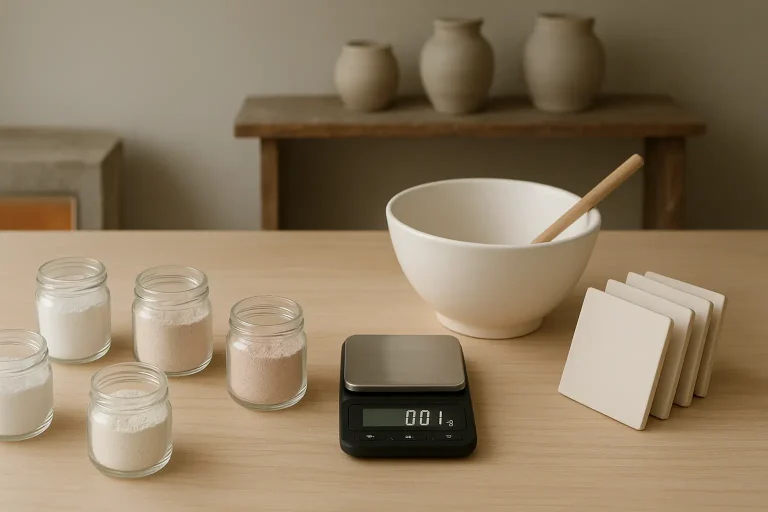
Systematic atmosphere testing requires identical base glazes fired in both oxidation and reduction conditions using the same temperature and cooling schedule to isolate atmospheric variables. Create test tiles with 2-inch squares applying each glaze at consistent 2mm thickness measured with a pin tool to ensure comparable results.
Our studio methodology fires duplicate test tiles in electric oxidation kilns and gas reduction kilns to the same cone temperature, documenting color development with color-corrected photography under standardized lighting conditions. This parallel testing reveals exactly how atmosphere affects each specific glaze chemistry.
Atmosphere Testing Protocol:
- Prepare identical clay test tiles (2×2 inches, bisque fired to cone 04)
- Apply glazes at 2mm thickness using consistent dipping technique
- Fire one set in electric kiln (oxidation) to target temperature
- Fire duplicate set in gas kiln with reduction from cone 012 down
- Document results with color photography under daylight conditions
- Record firing schedules, atmosphere timing, and visual observations
Professional testing includes firing curves that document exactly when reduction begins and ends, typically starting reduction at cone 012 (1816°F) and maintaining through cone 10 (2345°F) down to 1400°F. Use pyrometric cone packs to verify temperature accuracy across different kiln zones.
Detailed records capture glaze appearance, surface texture, color intensity, and any defects like crawling or pinholing that may result from atmospheric conditions. This systematic approach builds a reliable database for predicting atmospheric effects on new glaze formulations.
Troubleshooting Common Atmospheric Firing Problems
Gray or muddy copper reduction results typically indicate insufficient silica in the glaze base or inadequate reduction timing during the critical 1800°F to 1400°F cooling period. Increase silica by 5-8% above base recipe and extend reduction atmosphere 30 minutes longer during initial cooling to achieve clear red copper colors.
Carbon trapping creates black spots or overall gray coloration in reduction glazes when combustion gases cannot escape properly from thick glaze applications or closed kiln settings. Reduce glaze thickness to 1.5mm maximum and ensure adequate kiln venting during reduction phases.
Common Reduction Problems and Solutions:
| Problem | Cause | Solution |
|---|---|---|
| Gray copper instead of red | Low silica, poor reduction timing | Add 5-8% silica, extend reduction period |
| Carbon spots in glaze | Trapped combustion gases | Thinner application, better venting |
| Glaze runs excessively | Over-reduction, high iron content | Increase alumina, reduce iron percentage |
| Inconsistent color development | Uneven kiln atmosphere | Check burner adjustment, use atmosphere probes |
Excessive running in reduction firings often results from iron reduction increasing flux activity beyond glaze design limits. Counter this by increasing alumina content to 12-15% or reducing iron oxide additions by 20-30% when converting oxidation glazes for reduction firing.
Inconsistent results across kiln shelves indicate uneven atmospheric conditions requiring adjustment of damper settings and burner positioning. Atmosphere monitoring probes help identify dead spots where reduction fails to reach proper levels.
Advanced Atmospheric Techniques: Neutral and Flash Reduction
Neutral atmosphere firing maintains balanced oxidation and reduction conditions by carefully controlling gas and air mixtures to create neither strongly oxidizing nor reducing environments. This technique produces unique color effects with subtle variations impossible in pure oxidation or reduction, particularly effective with rutile and titanium-bearing glazes.
Flash reduction involves brief reduction periods (5-15 minutes) during specific temperature ranges rather than sustained reduction throughout cooling, creating graduated color effects within single pieces. Professional potter Malcolm Davis pioneered this technique for creating dramatic color transitions from oxidation to reduction effects on the same ceramic form.
Flash Reduction Protocol:
- Fire in oxidation to cone 10 with normal schedule
- Begin light reduction at peak temperature (2345°F)
- Maintain reduction for 10-15 minutes maximum
- Return to oxidation atmosphere for cooling
- Monitor with pyrometric cones and atmosphere gauges
- Document timing and flame characteristics for replication
Soda firing combines atmospheric effects with salt or soda ash introduction during reduction phases, creating unique surface textures and color responses as sodium vapor interacts with glazes and clay bodies under specific atmospheric conditions. This technique requires specialized kiln ports for safe material introduction.
Multiple atmosphere firing involves systematic changes between oxidation and reduction throughout single firings, creating complex color layering effects particularly dramatic with copper and iron glazes that respond differently to each atmospheric change.
Safety Considerations for Atmospheric Firing
Reduction firing produces carbon monoxide and other toxic gases requiring adequate ventilation systems and carbon monoxide detectors in kiln areas. Never fire reduction kilns in enclosed spaces without proper exhaust systems capable of handling combustion byproducts from incomplete burning.
The Ceramic Arts Network Safety Guidelines specify minimum ventilation rates of 200 cubic feet per minute for gas kiln areas plus carbon monoxide monitoring with alarm systems. Reduction firing should only occur in well-ventilated areas with exhaust fans operating throughout firing cycles.
Critical Safety Requirements:
- Carbon monoxide detectors with audible alarms in kiln areas
- Adequate ventilation: minimum 200 CFM exhaust capacity
- Never fire reduction kilns in basements or enclosed spaces
- Emergency shutdown procedures clearly posted
- Regular maintenance of gas lines and safety equipment
- Fire extinguishing systems appropriate for gas fires
Proper protective equipment includes heat-resistant gloves and safety glasses when monitoring kiln progress or adjusting dampers during firing. Reduction atmosphere monitoring requires additional safety protocols due to toxic gas production.
Emergency procedures must address both standard kiln emergencies and specific reduction firing hazards including gas leaks, carbon monoxide exposure, and incomplete combustion situations that can create dangerous atmospheric conditions.
Professional Kiln Selection for Atmospheric Control
Electric kilns excel for consistent oxidation results with predictable color development, making them ideal for production pottery, educational settings, and ceramists focusing on bright oxidation glazes. Modern electric kilns with computerized controllers maintain precise temperature curves essential for repeatable glaze results.
Our comprehensive pottery kiln guide covering types, selection, and usage details the advantages of electric versus gas kilns for different atmospheric requirements and production goals.
Kiln Selection by Atmospheric Needs:
| Kiln Type | Atmosphere Control | Best For | Color Range |
|---|---|---|---|
| Electric | Oxidation Only | Consistent results, education | Bright, predictable |
| Gas | Full Control | Atmospheric effects, reduction | Complete palette |
| Wood | Natural Variation | Unique effects, art pottery | Unpredictable, natural |
Gas kilns provide complete atmospheric control through adjustable burners and damper systems, essential for reduction firing and atmospheric experimentation. Investment in quality burner systems and precise controls pays dividends in consistent atmospheric results.
Hybrid approaches using electric kilns with gas-fired reduction chambers or post-firing reduction techniques offer compromise solutions for ceramists wanting some atmospheric effects without full gas kiln infrastructure requirements.
Glazes That Showcase Atmospheric Differences
Copper-bearing glazes demonstrate the most dramatic atmospheric sensitivity, with identical base formulations producing emerald greens in oxidation versus deep reds or purples in reduction. Test classic copper formulations like Copper Red (3% copper carbonate, 4% tin oxide) fired in both atmospheres to understand this transformation.
Iron glazes offer reliable atmospheric indicators, shifting from warm honey and amber tones in oxidation to dramatic black metallics in reduction. Alberta Slip and its substitutes showcase this iron sensitivity across temperature ranges from cone 6 through cone 10.
Atmospheric Test Glaze Formulas:
Simple Copper Test Base (Cone 6):
- Custer Feldspar: 45 parts
- Silica: 25 parts
- Whiting: 20 parts
- EPK Kaolin: 10 parts
- Add: 3% Copper Carbonate
Iron Saturate Test (Cone 10):
- Custer Feldspar: 40 parts
- Silica: 30 parts
- Whiting: 15 parts
- Ball Clay: 15 parts
- Add: 12% Red Iron Oxide
Rutile and titanium glazes produce subtle but distinctive atmospheric responses, creating warmer colors in reduction with enhanced crystal development. These glazes serve as excellent learning tools for understanding atmospheric nuances beyond dramatic copper and iron changes.
Chrome-tin pink glazes offer unique challenges requiring precise atmospheric control, as chrome easily reverts to green in reduction conditions. Success with chrome-tin combinations demands consistent oxidation throughout firing and cooling cycles using commercial chrome-tin stains.
Understanding Clay Body Interactions with Atmospheric Firing
Clay body composition significantly affects how atmospheric conditions influence both body color and glaze-clay interface reactions, with iron-bearing clays developing darker colors in reduction while titanium-bearing bodies create warmer tones. Stoneware bodies containing 3-8% iron oxide shift from buff or tan in oxidation to dark brown or black in reduction firing.
The interaction between clay body and glaze becomes more complex under reduction conditions as both materials respond to atmospheric changes simultaneously. High-iron clay bodies can bleed color into overlying glazes during reduction, creating unique color variations impossible with stable clay bodies.
For detailed information about different clay body types and their firing characteristics, reference our guide comparing ceramic clay types and their unique properties for comprehensive material selection guidance.
Clay Body Atmospheric Response:
| Clay Type | Iron Content | Oxidation Color | Reduction Color |
|---|---|---|---|
| Porcelain | 0.5-1.5% | White to Cream | Gray to Light Brown |
| Stoneware | 3-8% | Buff to Light Brown | Dark Brown to Black |
| Earthenware | 5-12% | Red to Brown | Dark Brown to Black |
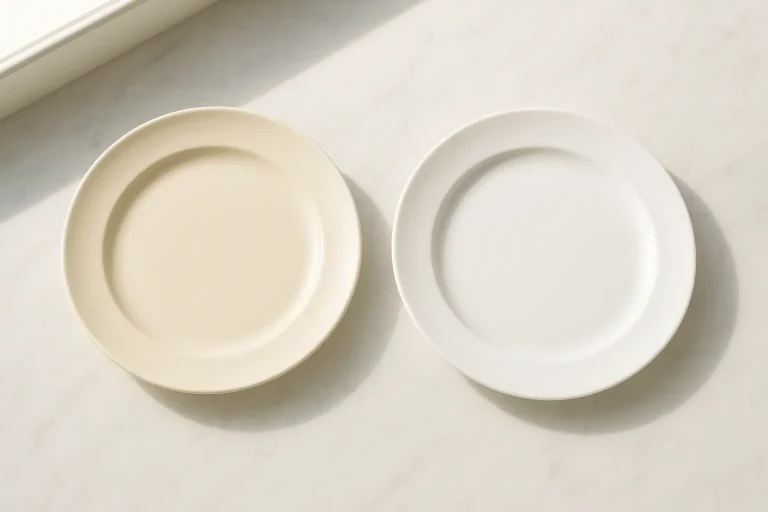
Porcelain bodies with minimal iron content show subtle atmospheric responses, shifting from pure white in oxidation to warm gray or cream in reduction. These subtle changes can significantly affect glaze appearance, particularly with transparent or translucent formulations.
Flashing slips applied to clay bodies before glazing create dramatic atmospheric effects as the slip composition reacts differently than the underlying body. Traditional shino glazes depend on this clay-glaze-atmosphere interaction for their characteristic orange and white color variations.
Historical Context and Cultural Traditions in Atmospheric Firing
Traditional Japanese pottery techniques pioneered many atmospheric firing methods still used today, with Bizen pottery relying entirely on unglazed clay body responses to long wood-firing reduction cycles creating natural surface effects. These techniques developed over centuries demonstrate the sophisticated understanding of atmospheric control possible with careful observation and documentation.
Chinese ceramic traditions dating to the Song Dynasty established the foundation for copper red glazes through systematic development of reduction techniques, creating the famous oxblood and sang de boeuf glazes that remain benchmarks for reduction firing excellence. Historical kiln excavations reveal sophisticated damper and firebox designs optimized for atmospheric control.
Contemporary ceramists build upon traditional knowledge while incorporating modern understanding of combustion chemistry and precise temperature measurement. Digital controllers and data logging systems allow documentation and replication of atmospheric conditions impossible for historical potters.
Regional variations in atmospheric firing techniques reflect local fuel sources, clay materials, and cultural preferences for specific color palettes. Understanding these historical contexts provides insight into how atmospheric control developed and why certain techniques produce reliable results.
Economic Considerations: Fuel Costs and Firing Efficiency
Electric kilns offer lower fuel costs per firing with rates typically 30-50% less expensive than gas firing when calculated per cubic foot of kiln space, making them economically attractive for production pottery and educational institutions. Electric rates average $0.08-0.15 per kilowatt-hour compared to natural gas costs that vary significantly by region and season.
Gas kilns require higher initial investment in infrastructure including gas lines, ventilation systems, and safety equipment, but offer complete atmospheric control impossible with electric alternatives. Operating costs include not only fuel consumption but also maintenance of burner systems and periodic safety inspections.
Firing Cost Comparison (10 cubic foot kiln to cone 6):
- Electric: $25-45 per firing (depending on local rates)
- Natural Gas: $35-60 per firing (including reduction time)
- Propane: $60-90 per firing (portable setups)
- Wood: $20-40 fuel cost plus significant labor time
- Additional costs: Maintenance, safety equipment, infrastructure
Reduction firing typically requires 20-30% longer firing cycles than straight oxidation schedules, increasing fuel consumption but necessary for proper atmospheric development. Extended firing times must be factored into production planning and cost calculations for professional studios.
Investment in quality kiln maintenance supplies and regular service prevents costly repairs and ensures consistent atmospheric control. Professional studios often maintain both electric and gas kilns to optimize firing costs while maintaining atmospheric capabilities.
Frequently Asked Questions About Oxidation vs Reduction Firing
What temperature should I start reduction in a gas kiln?
Begin reduction at cone 012 (1816°F) during the heating cycle and maintain reducing atmosphere through peak temperature down to 1400°F during cooling. Starting reduction earlier can cause carbon trapping, while starting later misses the critical metal oxide conversion window for proper color development.
The optimal reduction schedule involves light reduction from cone 012 to cone 08, moderate reduction from cone 08 to peak temperature, then sustained reduction during cooling until 1400°F. Monitor flame color and kiln back-pressure to maintain consistent reducing conditions throughout this temperature range.
Can I achieve copper red colors in an electric kiln?
Electric kilns cannot produce true copper red colors because they maintain oxidizing atmospheres throughout firing, keeping copper in the cupric oxide state that creates green colors. Limited copper red effects are possible using local reduction techniques with organic materials in saggers, but results remain unpredictable compared to gas kiln reduction.
Alternative approaches for electric kiln users include chrome-tin pink glazes, gold-based fuming techniques, or commercial copper red stains designed for oxidation firing. These methods produce red colors through different mechanisms than traditional reduction copper reds.
Why do my reduction glazes look gray and muddy instead of bright colors?
Gray, muddy colors in reduction typically result from excessive reduction, carbon trapping, or insufficient silica in the glaze base to properly suspend reduced metal particles. Over-reduction converts too much metal oxide, creating dull colors, while carbon trapping introduces black carbon particles into the glaze matrix.
Solutions include reducing the intensity and duration of reduction atmosphere, increasing silica content by 5-8%, ensuring adequate kiln venting, and thinning glaze application to prevent gas trapping. Test tiles fired with progressively lighter reduction help establish optimal atmospheric conditions for specific glazes.
How thick should I apply glazes for reduction firing?
Apply reduction glazes slightly thinner than oxidation equivalents, targeting 1.5-2mm thickness measured with a pin tool to prevent carbon trapping and excessive running when metal oxides flux more heavily in reduction. Thick applications trap combustion gases, creating gray spots or overall color muddiness.
Copper red glazes require particularly careful application at 1.5mm maximum thickness, as over-application prevents proper light transmission through the glaze layer that creates the characteristic depth of copper red colors. Use specific gravity measurements of 1.45-1.50 for consistent dipping results.
What safety equipment do I need for reduction firing?
Essential safety equipment includes carbon monoxide detectors with audible alarms, adequate ventilation systems capable of 200+ CFM air exchange, and emergency gas shutoff procedures clearly posted near kiln areas. Reduction firing produces toxic carbon monoxide that requires constant monitoring and ventilation.
Additional equipment includes gas leak detectors, fire extinguishers rated for gas fires, heat-resistant protective gear, and first aid supplies specifically addressing carbon monoxide exposure symptoms.
How long does a reduction firing take compared to oxidation?
Reduction firings typically require 2-4 hours longer than equivalent oxidation cycles due to extended cooling periods needed to maintain reducing atmosphere until 1400°F. Total firing time for cone 6 reduction ranges from 12-16 hours compared to 8-12 hours for electric oxidation firing to the same temperature.
The extended time includes slower heating during reduction phases (50-100°F per hour reduction) and controlled cooling to preserve atmospheric effects. Factor additional time into production schedules when planning reduction firing cycles for studio workflow.
Which clay bodies work best for reduction firing?
Iron-bearing stoneware bodies containing 3-8% iron oxide produce the most dramatic color responses in reduction, shifting from buff or tan to rich browns and blacks while providing excellent thermal shock resistance for reduction cycles. Porcelain bodies offer subtle responses suitable for delicate color effects.
Avoid highly grogged or heavily textured clay bodies for reduction firing as rough surfaces trap combustion gases and create uneven atmospheric exposure. Smooth, dense bodies with moderate iron content provide the most reliable platform for reduction glaze development.
Can I fire glazed and unglazed pieces together in reduction?
Glazed and unglazed pieces can be fired together in reduction kilns, but unglazed areas will develop darker colors from direct atmospheric contact while glazed areas show atmospheric effects filtered through the glaze layer. This combination creates interesting contrasts but requires careful placement to avoid unwanted flame marking.
Position unglazed pieces where flame impingement won’t create harsh flash marks, and consider using wadding or stilts to protect glazed bottoms from kiln shelf reactions enhanced by reduction atmosphere. Document piece placement for consistent results in future firings.
What causes crackling and shivering in reduction-fired glazes?
Crackling and shivering in reduction glazes often result from thermal expansion differences between clay body and glaze exaggerated by extended firing cycles and atmospheric stress. Reduction can alter both clay body and glaze expansion rates, creating mismatches that cause glaze failure.
Adjust glaze fit by modifying silica content (increase for tension, decrease for compression) or clay body selection to match expansion coefficients. Fire test tiles through complete reduction cycles to verify glaze fit before applying to finished pieces.
How do I know if my kiln atmosphere is properly reducing?
Proper reduction produces orange to yellow flames visible from kiln ports and stack, indicating incomplete combustion with carbon monoxide production. Blue flames indicate complete combustion and oxidizing conditions, while excessively long orange flames suggest over-reduction that may cause carbon trapping.
Additional indicators include slight back-pressure at peepholes, visible flame movement inside kiln chambers, and characteristic smell of combustion gases. Install oxygen probes for precise atmospheric monitoring showing oxygen levels below 10% during proper reduction.
Why do some areas of my pottery show different colors after reduction?
Uneven color development across pottery surfaces typically results from inconsistent atmospheric exposure within the kiln, caused by poor circulation, flame impingement, or piece placement blocking gas flow. Different kiln zones may experience varying levels of reduction creating color gradations.
Improve color uniformity by ensuring adequate spacing between pieces for gas circulation, rotating kiln shelves between firings, and using draw trials to monitor atmospheric conditions throughout kiln chambers. Consider kiln furniture placement that promotes even gas flow around all surfaces.
Can I convert oxidation glaze recipes for reduction firing?
Most oxidation glazes can be adapted for reduction firing with chemistry adjustments to account for increased flux activity and atmospheric sensitivity of metal oxides. Increase silica content by 5-10% and add tin oxide (2-4%) for copper-bearing glazes to promote proper reduction effects.
Reduce flux content slightly (10-15%) as reduction conditions make most fluxes more active, and increase alumina to prevent excessive running when iron and other metals convert to more fluxing forms. Test converted recipes extensively before applying to finished work.
What cone temperatures work best for reduction effects?
Cone 8-10 (2280-2345°F) provide optimal temperature ranges for most reduction effects, offering sufficient heat for complete metal oxide conversion while allowing controlled cooling phases necessary for atmospheric color development. Lower temperatures may not achieve full reduction, while higher temperatures risk over-fluxing and glaze running.
Cone 6 reduction (2232°F) works well for copper reds and iron effects but requires more careful atmosphere control and longer reduction phases to achieve complete color development. Higher temperatures provide more forgiving atmospheric windows for consistent results.
How do I document firing schedules for consistent reduction results?
Maintain detailed firing logs recording temperature rise rates, reduction start and end times, damper positions, gas pressure settings, and visual observations of flame characteristics throughout each firing cycle. Include weather conditions and barometric pressure that affect kiln draft and atmospheric control.
Photograph flame characteristics at key temperature points and document any adjustments made during firing for future reference. Use firing log books specifically designed for ceramic documentation to standardize record keeping for reproducible results.
Mastering oxidation and reduction firing atmospheres gives ceramists complete control over glaze color development from bright oxidation palettes to rich reduction metallics, achieved through understanding oxygen availability during critical temperature ranges from 1800°F through cooling. Successful atmospheric control requires systematic testing across your specific kiln, clay bodies, and glaze formulations to build reliable firing protocols.
Start with simple test glazes like copper-bearing formulations that show dramatic atmospheric sensitivity, document every firing variable including temperature schedules and atmosphere timing, and build your knowledge through careful observation and systematic experimentation. The investment in understanding atmospheric firing pays dividends in expanded color possibilities and unique surface effects impossible through chemistry alone.