Best Pottery Trimming Tools: Options for Every Budget Guide

A dull trimming tool does not just slow you down. It tears clay fibers instead of cutting them, leaving a rough surface that no amount of sanding can fully repair.
The difference between a clean foot ring and a gouged one comes down to the tool in your hand. A properly selected, well-maintained pottery trimming tool cuts through leather-hard clay with almost no pressure, producing smooth surfaces ready for glazing.
This guide covers every type of trimming tool available to studio potters today: loop tools, ribbon tools, hook tools, carbide-tipped tools, and traditional Japanese kanna blades. You will find options for every budget, detailed comparisons, and step-by-step trimming techniques that work whether you throw two mugs a week or fifty.
By the Numbers
Pottery Trimming Tools — Key Statistics
Sources: Sheffield Pottery, Ceramic Arts Network community survey, manufacturer data sheets
What Are Pottery Trimming Tools and Why Do You Need Them?
Pottery trimming tools are specialized cutting implements designed to remove clay from leather-hard pottery surfaces. Unlike general carving tools, trimming tools are engineered with specific blade angles, shapes, and materials that cut through stiff clay without dragging, tearing, or compressing the surface.
According to Clay and Glazes for the Potter by Daniel Rhodes (1957), the trimming process serves two purposes: refining the shape by removing excess clay from the base and walls, and creating a functional foot ring that elevates the pot above the kiln shelf during glaze firing. A poorly trimmed foot ring can trap glaze, fuse to the kiln shelf, and ruin both the pot and the shelf.
Trimming tools differ from throwing tools in one critical way. Throwing tools shape wet, plastic clay. Trimming tools cut clay that has stiffened to a cheese-like consistency, called leather-hard. At this stage, clay contains roughly 10 to 15 percent moisture. It holds its shape under pressure but can still be cut cleanly.
The blade material determines everything about a trimming tool’s performance. Carbon steel blades stay sharp but rust if not dried properly. Stainless steel resists rust but dulls faster on abrasive clays. Tungsten carbide holds an edge for years but costs three to five times more than steel.
For most home studio potters, a single high-quality loop trimming tool in the 30 to 40mm size range handles ninety percent of trimming needs. Production potters who trim dozens of pieces per session benefit from a selection of specialized tools for different forms.
Types of Pottery Trimming Tools: A Complete Breakdown
Every trimming tool falls into one of five categories based on blade design. Each category performs best on specific forms, clay bodies, and trimming styles. Understanding the difference between a loop tool and a ribbon tool prevents hours of frustration spent trying to trim a narrow-necked vase with the wrong blade shape.
Loop Tools: The Workhorse of Every Studio
Loop tools feature a stainless steel or carbon steel band shaped into a U, V, or teardrop loop attached to a handle. The cutting edge runs along the inside or outside curve of the loop. When pulled across leather-hard clay, the loop peels away thin ribbons of material with precise control.
Kemper loop tools dominate the market with sizes ranging from 6mm micro-loops for detailed trimming to 50mm heavy-duty loops for hogging off large amounts of clay from platter bottoms. The standard 30 to 40mm loop handles most bowl and mug trimming. Key Specifications: Blade material is stainless steel, handle length is 6 to 7 inches, loop width ranges from 6 to 50mm, and cost is $8 to $25 per tool.
Loop tools work best on the outside curves of bowls and the inside curves of wide platters. The open design clears clay ribbons without clogging. This is the mechanism: the loop’s curved cutting edge presents a narrow contact point to the clay, concentrating force into a small area for efficient cutting with minimal hand pressure.
One common failure mode: using a loop tool on clay that is too wet. The blade skips across the surface instead of cutting, leaving a rippled texture. The fix is patience. Wait until the clay reaches true leather-hard stage, which on a typical studio day takes 6 to 12 hours after throwing, depending on humidity.
Ribbon Tools: Precision for Tight Spaces
Ribbon tools use a flat, thin steel band bent into specific shapes, often with the cutting edge on the outside of the curve. The flat profile lets ribbon tools reach into narrow spaces where loop tools cannot fit. Think of the tight curve under a mug rim or the deep interior of a narrow-necked bottle form.
According to Tony Hansen at Digitalfire, ribbon tools create cleaner cuts on grogged clay bodies because the flat blade surface rides over grit particles rather than catching and dragging them across the surface. A quality ribbon trimming tool with a double-ended design gives you two blade shapes in one handle. Key Specifications: Blade thickness is 0.3 to 0.5mm, blade shapes include square, round, angle, and teardrop, and cost is $10 to $35 per tool.
Ribbon tools require a lighter touch than loop tools. The thin blade flexes under pressure, which can be an advantage when following gentle curves but a disadvantage when removing large amounts of clay. For bulk clay removal, start with a loop tool. Switch to a ribbon tool for final surface refinement and detail work.
Hook Tools: The Production Potter’s Choice
Hook tools feature a sharpened steel rod bent into a tight hook at the end. The cutting edge faces the handle. When pulled, the hook engages the clay and removes material in a single controlled stroke. Production potters favor hook tools because they remove clay faster than any other design.
The mechanism is straightforward: the hook’s pointed tip concentrates all cutting force into a fraction of a millimeter of blade contact. This high-pressure point shears through clay with minimal resistance. A well-sharpened hook tool can trim a mug foot ring in under thirty seconds.
The failure mode here is common among beginners: digging the hook tip too deep into the clay. Instead of removing a thin ribbon, the hook gouges a trench. The fix is practice on scrap clay, learning to keep the hook’s shaft nearly parallel to the surface and letting the very tip do the cutting.
Carbide-Tipped Tools: Buy Once, Use for Years
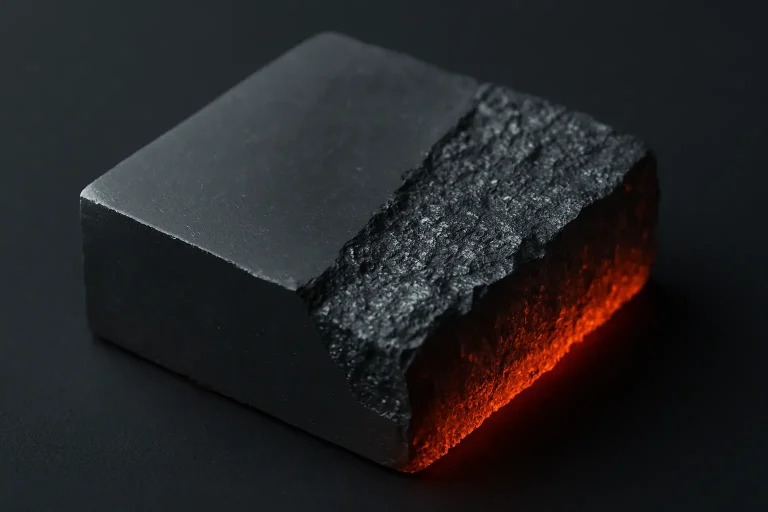
Carbide-tipped trimming tools replace traditional steel cutting edges with tungsten carbide inserts. Tungsten carbide ranks 8.5 to 9 on the Mohs hardness scale, compared to 5 to 6 for hardened steel. This means carbide tools stay sharp through hundreds of hours of trimming on abrasive stoneware and grogged clay bodies.
Carbide pottery trimming tools cost $45 to $95 each, compared to $8 to $25 for steel tools. But potters who trim daily report that carbide tools hold their edge for two to five years before needing professional resharpening. Steel loop tools may need sharpening every few months with heavy use. Key Specifications: Blade material is tungsten carbide, hardness is 8.5 to 9 Mohs, lifespan before resharpening is 3 to 5 years, and cost is $45 to $95 per tool.
The condition for this longevity: carbide tools must be stored in a dry environment and never left soaking in water. Tungsten carbide does not rust, but the brazed joint where the carbide meets the steel handle can corrode if left wet. A simple wipe-dry after each use preserves the tool for years.
Japanese Kanna Trimming Tools
Traditional Japanese kanna tools use a flat, wide carbon steel blade set at a low angle in a wooden handle. The blade cuts like a miniature wood plane, shaving off tissue-thin layers of clay. Kanna tools produce the smoothest trimmed surface of any tool type.
Japanese potters traditionally use kanna tools for refining the surface of thrown porcelain vessels. The low-angle cut compresses as it removes clay, closing surface pores and creating a naturally polished finish that requires minimal sanding before bisque firing. These tools demand a higher skill level than Western loop tools. The blade angle must be precisely maintained for clean cutting.
Price Comparison
Price Comparison — Top Pottery Trimming Tools
Price per individual tool, sorted lowest to highest. Prices verified at time of publication.
$8.50
$14.95
$22.00
$59.00
$72.00
$85.00-$95.00
Prices reflect single-tool purchases from major ceramics suppliers. Set purchases reduce per-tool cost by 20 to 35 percent.
How to Choose the Right Trimming Tool for Your Pottery
The right trimming tool depends on three factors: the forms you make most often, the clay body you use, and how frequently you trim. Matching the tool to these three variables eliminates guesswork and prevents poor trimming results.
Match the Tool Shape to Your Forms
Wide, shallow forms like platters and pasta bowls need large-diameter loop tools, 40 to 50mm, to cover broad surface area efficiently. Narrow-necked bottles and vases need ribbon tools with long reach and small blade profiles. Standard mugs and cereal bowls work best with the middle-ground 30 to 40mm loop tool.
Deep bowls with steep interior walls challenge most tools. A hook tool reaches into the tight corner where the wall meets the floor and creates a clean junction that a loop tool cannot access.
Consider Your Clay Body
Grog adds abrasive particles to clay that dull steel blades rapidly. Potters who throw with heavily grogged stoneware, for example, Standard Ceramic 112 or Laguna B-Mix with grog, benefit most from carbide-tipped tools. The carbide edge shrugs off grog particles that would dull a steel blade within a single trimming session.
Smooth porcelain and low-grog stoneware trim cleanly with standard stainless steel tools. The cost savings are significant: a full set of steel loop tools costs less than a single carbide tool. For occasional potters trimming smooth clay bodies, steel tools represent the best value.
Frequency of Use Determines Investment Level
A potter trimming ten pieces per week needs different tools than someone trimming fifty pieces per day. Light users should prioritize one high-quality 30 to 40mm loop tool and one ribbon tool for detail work. That two-tool setup handles ninety percent of hobbyist trimming tasks for under $40 total.
Production potters and those doing markets or wholesale orders need tools that stay sharp through marathon trimming sessions. Carbide tools pay for themselves in saved sharpening time and consistent cut quality. The recommendation: start with a carbide loop tool in your most-used size, then add specialized shapes as your production volume dictates.
Quick Reference
Pottery Trimming — Key Terms Explained
Quick reference for the terms used throughout this guide
The clay state between wet and bone-dry where clay is firm but still contains enough moisture (10 to 15 percent) to be cut cleanly without cracking or warping
The raised rim on the bottom of a wheel-thrown pot created during trimming that elevates the piece off the kiln shelf and provides a finished appearance
Pre-fired clay ground into particles and added to clay bodies to reduce shrinkage, improve workability, and increase thermal shock resistance; abrasive to trimming tools
The first firing of clay to approximately cone 06 to 04 (1830 to 1940°F / 999 to 1060°C), converting clay to a hard, porous state ready for glazing
An extremely hard compound (8.5 to 9 Mohs) used for premium trimming tool cutting edges that resists wear from abrasive clay bodies and holds an edge for years
A series of ridges or waves on a trimmed surface caused by tool vibration when the tool is held too rigidly or the clay is unevenly supported
A temporary clay or bisque-fired support used to hold pots upside down on the wheel for trimming when the rim shape cannot sit flat on the wheel head
The inward-sloping profile beneath a pot’s curve, often trimmed to create a visually lighter appearance and a defined edge above the foot ring
The intended cutting motion of a trimming tool, where the blade removes a thin continuous ribbon of clay rather than scraping or gouging the surface
Best Trimming Tools Under $25: Budget Options That Perform
Budget trimming tools under $25 can produce professional results when used correctly. The trade-off is blade steel quality and edge retention, not cutting performance on day one. A fresh Kemper loop tool cuts just as cleanly as a $60 carbide tool. It simply dulls faster.
The Kemper trimming tool line is the standard entry point for most potters. Their R-series loop tools cover every common trimming task. The R2 (30mm teardrop loop, $14.95) is the single most versatile budget tool for mugs, bowls, and small platters. The R3 (40mm round loop, $16.50) adds capacity for larger forms.
Mudtools offers a unique budget option with their Do-All trimming tool at $22.00. The Do-All uses a flexible polymer blade that conforms to curved surfaces while maintaining consistent cutting pressure. The polymer blade never rusts and stays sharp through moderate use on smooth clay bodies. Key Specifications: Blade material is polymer composite, handle is ergonomic soft-grip, best for smooth clay bodies, and cost is $22.00 per tool.
For potters on the tightest budget, a single R2 loop tool plus a basic wire clay cutter adapted for trimming work covers the essentials for under $25 total. The wire cutter, used carefully on its edge, can slice clean foot ring profiles on small forms. This approach is not ideal. But it works while you save for dedicated trimming tools.
Best Mid-Range Trimming Tools: $25 to $60
The $25 to $60 range is where tool quality takes a noticeable jump. Blade steel improves. Handle ergonomics receive more design attention. Edge retention increases measurably over the budget tier. Most studio potters settle in this range for their daily-use tools.
Dolan trimming tools set the standard in this tier. Their heat-treated high-carbon steel blades hold an edge two to three times longer than untreated steel. The Dolan 40mm loop tool ($38.00) is widely considered the best non-carbide trimming tool for production use on cone 6 stoneware. The blade has a slight flex that provides tactile feedback through the handle, telling you exactly how much pressure you are applying.
The Mudtools polymer series expands in this range with specialized shapes for specific forms. Their curved trimming tools, with flexible blades that follow compound curves, make trimming deep bowls significantly easier. The polymer blade material eliminates rust concerns entirely. Potters in humid climates and those who forget to dry their tools appreciate this feature.
Crown Tools of England produces traditional carbon steel trimming tools in this price bracket. Their blades require more maintenance than stainless steel, including oiling between uses to prevent rust. But the edge quality achievable on fine carbon steel surpasses any stainless blade at the same price point. These tools appeal to potters who enjoy tool maintenance as part of their practice.
Best Premium Trimming Tools: $60 and Above
Premium trimming tools above $60 deliver edge retention measured in years rather than months. The cost premium goes entirely into blade material and precision manufacturing tolerances. These are tools for potters who trim daily and cannot afford to stop for sharpening.
The Bison carbide trimming tool ($72.00) uses a tungsten carbide insert brazed to a stainless steel handle. The carbide cutting edge maintains sharpness through hundreds of hours of trimming on heavily grogged clay. When the edge eventually dulls after several years of heavy use, Bison offers a resharpening service. Key Specifications: Blade material is tungsten carbide, hardness is 9 Mohs, handle is 8 inches, and cost is $72.00 with resharpening service available.
Dolan carbide-tipped tools ($59.00 to $79.00) combine Dolan’s ergonomic handle design with carbide cutting technology. The carbide insert is replaceable, which means the tool body lasts indefinitely. Replacement carbide tips cost $15 to $25, effectively giving you a brand-new cutting edge for a fraction of the full tool price.
Traditional Japanese kanna tools from makers like Maruho and Hida Tool ($85 to $95) represent the pinnacle of trimming surface quality. The laminated carbon steel blade, forged with a hard cutting layer bonded to a softer backing, takes and holds an edge like no mass-produced tool. These tools require the highest skill level to use effectively. The blade must be pulled at a precise angle, and the tool must be kept absolutely sharp through regular stropping on a leather strop with fine abrasive compound.
Trimming Tool Sets: Are They Worth the Savings?
Trimming tool sets bundle multiple shapes and sizes into a single purchase, typically reducing the per-tool cost by 20 to 35 percent compared to buying individually. For beginners building a studio from scratch, sets represent genuine value. For experienced potters who know exactly which shapes they use, sets often include tools that sit unused.
Use the table below to match your experience level and budget to the right set decision.
Product Comparison
Trimming Tool Sets — At-a-Glance Comparison
Key specs compared across popular sets
| Set | Price | Tools Included | Blade Material | Best For |
|---|---|---|---|---|
| Kemper 8-Piece Trimming Set | $65.00 | 8 tools | Stainless steel | Beginners building first kit |
| Mudtools Starter Set | $48.00 | 4 tools | Polymer composite | Humid studios, rust-free |
| Dolan Premium 5-Piece | $165.00 | 5 tools | High-carbon steel | Serious hobbyists, daily use |
| Crown Tools Classic Set | $95.00 | 6 tools | Carbon steel | Traditionalists, high-maintenance |
| Bison Carbide 3-Piece Set | $195.00 | 3 tools | Tungsten carbide | Production potters, buy-it-for-life |
For beginners, the Kemper 8-piece set provides the broadest learning experience. You discover which shapes fit your hand and your forms without committing to expensive individual tools. As you identify your favorites, upgrade those specific shapes to higher-quality versions.
For production potters, sets rarely make financial sense. You know exactly which three or four tools you use daily. Buy those specific shapes in carbide and skip the rest. The Bison 3-piece carbide set is the one exception worth considering if all three shapes match your regular trimming patterns.
How to Trim Pottery: A Complete Step-by-Step Guide
Trimming is the bridge between a lump of thrown clay and a finished pot with a defined foot ring. Each step builds on the previous one. Rushing any stage shows immediately in the final result.
Step-by-Step Guide
How to Trim a Pot on the Wheel — Step by Step
7 steps · Estimated time depends on form size and clay hardness
Wait for leather-hard stage
The clay must feel cool and firm to the touch but not chalky or light-colored on the surface. Press a fingernail gently into the rim. It should leave no mark. If the clay deforms at all, wait longer. Rushing this step causes warping and tool skipping.
Secure the pot on the wheel
Center the pot upside down on the wheel head. Use three or more small lumps of soft clay as grips between the pot rim and the wheel head. Press firmly until the pot does not shift. Use a clay chuck for narrow-necked forms. Throw a clay ring chuck on the wheel specifically for this purpose.
Check centering from above
Spin the wheel at low speed and observe the pot from directly above. The base should rotate without any visible wobble. If it wobbles, recenter the pot. An off-center pot during trimming produces an uneven foot ring and inconsistent wall thickness.
Start at the center of the base
Place your tool at the center point of the base. Apply gentle, consistent pressure. Pull the tool outward toward the edge as the wheel spins at medium speed, approximately 150 to 200 RPM for a standard mug. This removes excess clay and establishes a flat, even base.
Define the foot ring
Switch to a smaller loop tool or ribbon tool. Mark a circle about a quarter inch inside the outer edge of the base. This will be the inner wall of your foot ring. Trim everything inside this circle down by 3 to 5mm. The foot ring left behind should be 8 to 12mm wide for mugs and bowls.
Refine the exterior curve
Angle your tool to follow the contour from the foot ring up toward the belly of the pot. Remove any throwing ridges or unevenness. Keep the pressure consistent. Sudden changes in pressure create visible steps in the surface. Work in one continuous pass if possible.
Final surface cleanup
Reduce wheel speed to low. Use a soft rubber rib held lightly against the trimmed surface to compress and smooth it. This closes any small tool marks and strengthens the surface. Let the pot dry slowly, upside down, on a wire rack for even air circulation.
Trimming speed matters. Too fast and the tool chatters, leaving vibration ridges. Too slow and the tool drags instead of cutting. The sweet spot for most stoneware and a 30 to 40mm loop tool is 150 to 200 RPM. Softer clay bodies trim best at slower speeds. Learn to build confidence with basic throwing and trimming tools before attempting complex forms.
Common Trimming Mistakes and How to Fix Them
Every potter ruins a piece during trimming. The mistakes are predictable and the fixes are learnable. Understanding why these failures happen prevents repeating them.
Chattering: Ridges on the Trimmed Surface
Chattering produces a series of parallel ridges across the trimmed surface. This happens because the tool blade vibrates against the clay instead of cutting smoothly. The mechanism: when the tool is held too rigidly or the cutting angle is too steep, the blade bounces at the frequency of the wheel rotation, creating evenly spaced ridges.
The fix has three parts. First, reduce wheel speed by 20 to 30 percent. Second, adjust the tool angle so the blade meets the clay at a shallower approach, approximately 15 to 20 degrees from parallel. Third, support the tool handle with your thumb braced against the wheel head or splash pan for stability without rigidity. Chattering stops when the blade can flex slightly rather than bounce.
Uneven Wall Thickness
An unevenly trimmed pot reveals itself when you hold the piece up to light. Thin spots glow through. Thick spots remain opaque. This failure mode occurs when the pot was not centered on the wheel before trimming began. The tool removes more clay from the side closer to the center of rotation.
Fix this by always checking centering from directly above before starting any cut. The pot’s base must describe a perfect circle with no visible wobble at trimming speed. If it wobbles, pop the grips, recenter, and reseat the pot. The extra two minutes spent on centering saves the pot.
Gouging the Foot Ring
A gouged foot ring is the result of the tool tip digging in too deep on the first pass. Beginners often start cutting at the edge instead of the center and apply too much pressure. The tool dives into the clay rather than peeling it away.
Prevent this by always starting your cut at the center of the base and working outward, or by approaching the edge from the side with the lightest possible initial contact. Think of the tool as peeling an apple in one continuous motion, not carving wood with a chisel. The correct pressure is measured in grams, not pounds.
How to Maintain and Sharpen Your Trimming Tools
A sharp trimming tool cuts with almost no effort. A dull tool fights the clay at every pass. Recognizing the difference and knowing how to restore a sharp edge extends tool life by years and improves every trimmed surface.
Steel loop and ribbon tools sharpen on a fine-grit sharpening stone or diamond hone. The cutting edge on these tools is the inside or outside curve of the metal band. Run the stone along the cutting edge at a consistent 20 to 25 degree angle. Five to ten light passes restores a working edge. For deeply dulled tools, professional sharpening services restore the original factory edge geometry.
Carbide tools cannot be sharpened at home with standard stones. Tungsten carbide requires diamond abrasives. Most carbide tool manufacturers offer resharpening services for $10 to $15 plus shipping. Between sharpenings, regular stropping on a leather strop charged with diamond paste maintains the edge for months of heavy use.
Storing trimming tools correctly prevents most damage. Never toss loose tools into a shared tool bucket. The blades strike each other and dull prematurely. A simple tool roll with individual pockets, or a wooden block with drilled holes sized to each handle, keeps blades isolated. Dry tools thoroughly before storing. Even stainless steel develops surface corrosion in damp tool rolls left in humid studios.
Trimming Tool Blades: Steel vs Carbide vs Polymer
Three blade materials dominate the trimming tool market. Each has distinct advantages that suit different potters, clay bodies, and studio environments. The choice comes down to how often you trim, what clay you use, and how much maintenance you tolerate. Use the table below to match your clay type and trimming frequency to the best blade material.
Product Comparison
Blade Material Comparison — Steel vs Carbide vs Polymer
Detailed feature comparison to help you choose the right blade material for your trimming needs
| Feature | Carbon/Stainless Steel | Tungsten Carbide | Polymer Composite |
|---|---|---|---|
| Cost per tool | $8 to $40 | $45 to $95 | $15 to $35 |
| Edge retention | 3 to 6 months (regular use) | 2 to 5 years (regular use) | 1 to 2 years (smooth clay only) |
| Best for clay type | Smooth stoneware, porcelain | All clays including grogged | Smooth clays only |
| Rust risk | Yes (carbon); low (stainless) | None on carbide; joint may corrode | Zero |
| Home sharpening | Easy with stone or diamond hone | Difficult; requires diamond abrasives | Not possible; replace blade when dull |
| Our verdict | Best value for hobbyists and light users | Best for production potters and grogged clay | Best for humid studios and rust-free guarantee |
Edge retention estimates assume proper tool care and storage. Actual lifespan varies with clay body abrasiveness and trimming frequency.
Steel remains the default choice for most potters. The cost-to-performance ratio is unmatched for anyone trimming less than twenty pieces per session. Carbide justifies its premium through time saved. If sharpening and tool maintenance interrupt your production flow, the upfront cost of carbide pays back within months. Polymer tools serve a specific niche: potters in coastal or tropical studios where rust is a constant battle, and potters who prioritize ergonomic comfort over ultimate edge sharpness.
After you choose your trimming tools, selecting the right ribs for your throwing and finishing work is the next logical investment. Ribs and trimming tools work together to produce finished surfaces ready for bisque firing.
Trimming for Different Forms: Bowls, Mugs, Plates, and Vases
Each form type demands a slightly different trimming approach. The tool angle, starting point, and pressure distribution all shift based on the shape you are refining. Understanding these differences prevents the common experience of trimming bowls beautifully and mugs poorly, or vice versa.
Bowls require the most clay removal during trimming. The thick base left after throwing needs significant reduction. Start at the center with a 40mm or larger loop tool and work outward in concentric passes. Leave more clay in the center than at the edge to create a slight interior dome. This dome, called a gallery, prevents glaze from pooling too deeply in the bowl during firing.
Mugs need a clean, narrow foot ring that feels comfortable in the hand. A 20 to 30mm loop tool or a small ribbon tool gives the control needed for the tight curve under a mug. The foot ring on a mug should be 6 to 10mm wide. Any narrower and it becomes fragile. Any wider and the mug feels heavy and clunky in use.
Plates and platters present the greatest trimming challenge. The large surface area demands even, consistent pressure across long tool passes. Any hesitation or pressure change creates a visible dip or ridge across the wide surface. Use the largest loop tool you own, 50mm or more, and brace your tool hand against your opposite hand for stability throughout the entire pass.
Narrow-necked vases cannot be trimmed conventionally. The opening is too small for tools to reach the base with proper control. These forms are trimmed before the neck is fully closed, while the pot is still a wide cylinder with access to the interior. Trim the base and lower walls while the form is open. Then close the neck as the final throwing step.
Budget Trimming Tool Kit: What to Buy First, Second, and Third
You do not need a full set to start trimming well. Three tools, purchased in the right order, build capability faster than a dozen tools bought at random. Here is the priority sequence.
First purchase: a 30 to 40mm loop tool. This single tool trims mugs, small bowls, and most handles. The Kemper R2 ($14.95) or Dolan 40mm loop ($38.00) depending on budget. This tool handles ninety percent of beginner trimming tasks. Master it before buying anything else.
Second purchase: a ribbon tool with a tight curve on one end. This reaches under rims and into the corners where walls meet bases. The Kemper R7 ribbon tool ($12.50) or Mudtools curved trimmer ($16.00) are solid options. With one loop tool and one ribbon tool, you can trim every common form.
Third purchase: a larger loop tool, 45 to 50mm, for plates and wide platters. This tool removes bulk clay quickly from large surface areas. The Kemper R3 ($16.50) fills this role. At this point, with three tools and $45 to $70 invested, your trimming kit covers the full range of functional pottery forms.
Everything after these three tools is specialization. Hook tools for production speed. Carbide tools for longevity. Japanese kanna for surface refinement. Add these when your practice demands them, not because a set includes them. For more guidance on building a complete pottery toolkit, this comprehensive starter tool guide maps out every essential from throwing to glazing.
Buying Guide
Before You Buy — Pottery Trimming Tool Checklist
Check off each point before making your decision.
Can I make my own pottery trimming tools?
Yes, you can make functional trimming tools from hacksaw blades, reciprocating saw blades, and spring steel stock. The cutting edge geometry is the critical factor, not the handle or brand. A ground-down hacksaw blade shaped into a loop and mounted in a wooden dowel handle cuts clay just as effectively as a commercial tool for under $5 in materials.
Making your own tools requires a bench grinder, safety glasses, and patience. The blade must be ground to a consistent 20 to 25 degree bevel on the cutting edge. Heat buildup during grinding can ruin the temper of carbon steel, so dip the blade in water every few seconds during grinding to keep it cool. The resulting tool will perform well on smooth clay bodies but may dull faster than commercial stainless steel on grogged clay.
Homemade tools make excellent specialty shapes that you cannot buy. A right-angle trimming tool for tight undercuts, or an extra-long loop tool for deep vase interiors, are projects worth attempting once you understand basic blade geometry. For everyday tools, the time investment in making versus the cost of buying a Kemper loop tool often favors buying, unless you enjoy tool making as part of your practice.
What is the best trimming tool for grogged stoneware clay?
Tungsten carbide trimming tools are the best choice for grogged stoneware clay. The abrasive grog particles, which are pre-fired clay ground to sand-sized grains, dull standard steel blades within a single trimming session. Carbide ranks 8.5 to 9 on the Mohs hardness scale, far harder than the grog particles at approximately 5 to 6 Mohs, so the blade edge stays sharp through hundreds of pieces.
The Dolan carbide loop tool ($59.00) and Bison carbide trimmer ($72.00) are the two most recommended options for grogged clay. Both use replaceable or resharpenable carbide inserts. The cost difference between these and steel tools narrows considerably when you factor in that a steel tool used daily on grogged clay needs replacement every 3 to 6 months. Over three years, the carbide tool costs less.
If carbide is outside your budget, the second-best option is a polymer-bladed tool like the Mudtools Do-All. Polymer does not hold an edge as long as carbide, but it resists grog abrasion better than untreated stainless steel. The polymer blade flexes around grog particles rather than catching on them, which also produces a smoother trimmed surface on heavily grogged bodies.
Do I need different trimming tools for porcelain versus stoneware?
No, the same trimming tools work on both porcelain and stoneware. Porcelain’s fine particle size and absence of grog make it easier on cutting edges than stoneware. Tools stay sharper longer when used exclusively on porcelain. The difference is not in the tool type needed but in the trimming technique.
Porcelain trims best at a slightly softer leather-hard stage than stoneware. Porcelain has less plasticity and will crack if trimmed too dry. The clay should still feel cool and slightly yielding under thumbnail pressure, not hard and chalky. Use lighter tool pressure and take thinner passes on porcelain. The dense, fine-grained body transmits tool vibration more readily, so chattering is a greater risk than on stoneware.
Some potters keep separate sets of tools for porcelain and stoneware to prevent grog particles embedded in the tool edge from scratching porcelain surfaces. A quick wipe with a damp sponge between clay bodies accomplishes the same thing without the cost of duplicate tools.
Why does my trimming tool leave drag marks on the clay surface?
Drag marks appear when the trimming tool blade is dull, the cutting angle is too steep, or the clay is too dry. A sharp blade at the correct angle peels clay away cleanly. A dull blade compresses and tears clay fibers at the microscopic level, leaving visible streaks in the trimmed surface.
The fix starts with checking blade sharpness. Run your thumbnail gently along the cutting edge. A sharp blade catches slightly. A dull blade slides across without grabbing. Sharpen the tool if needed using a fine diamond hone at a 20 to 25 degree angle along the cutting edge. If the blade is sharp and drag marks persist, reduce your tool angle. The blade should meet the clay at roughly 15 to 20 degrees from parallel to the surface, not at a steep scraping angle.
Clay that has dried past leather-hard to near bone-dry will always drag and tear regardless of tool sharpness. At that stage, the clay is too brittle to cut cleanly. The only fix is to start trimming earlier, within 12 to 24 hours of throwing, while the clay retains enough moisture to cut smoothly.
How often should I sharpen my trimming tools?
Steel trimming tools need sharpening after every 15 to 25 hours of active trimming use on smooth stoneware. On grogged clay, sharpening is needed after 5 to 10 hours. The signs of dullness are increased hand pressure required to make cuts, drag marks on trimmed surfaces, and a visible rounding of the cutting edge when examined under bright light.
Carbide tools need sharpening far less frequently. Most potters report 2 to 5 years of regular use before a carbide edge requires professional resharpening. Between sharpenings, weekly stropping on a leather strop charged with 1-micron diamond paste maintains the edge at near-factory sharpness. Stropping takes less than a minute and extends carbide edge life dramatically.
Polymer tools cannot be sharpened. When the polymer edge dulls, the tool is replaced. For hobbyists using polymer tools on smooth clay, this replacement cycle is typically 1 to 2 years. At $15 to $35 per tool, the replacement cost is low enough that disposable blades make practical sense for light users.
Can I use my trimming tool on bone-dry greenware?
No, trimming tools are designed for leather-hard clay only. Bone-dry clay, which has lost nearly all its water content, is too brittle and hard for trimming tools. Attempting to trim bone-dry greenware produces dust, not ribbons, and the tool edge skips and chatters across the surface without cutting.
Surface refinement on bone-dry greenware requires different tools: sanding sponges, riffler files, or diamond abrasive pads. These tools abrade the surface rather than cutting it. Always wear an N95 or P100 respirator when sanding bone-dry clay. The silica dust released is a permanent lung hazard that does not clear from the body.
If you missed the leather-hard window and your pots have dried past the trimming stage, do not attempt to rewet and trim them. Rewetting causes uneven moisture distribution and almost guarantees cracking during firing. Instead, fire the pieces to bisque as they are, then use diamond abrasives to refine the surface after bisque firing. The bisque-fired surface is harder but can be ground smooth with diamond pads without the dust hazard of dry clay.
What safety precautions should I follow when trimming pottery?
Trimming pottery creates airborne clay dust that contains silica particles. Breathing silica dust over time causes silicosis, an irreversible lung disease. The primary safety precaution is keeping the clay at proper leather-hard stage for trimming, which produces ribbons rather than dust. If any dust is visible during trimming, the clay is too dry.
For extended trimming sessions or when working with clay that is approaching the dry end of leather-hard, wear an N95 or P100 respirator. Keep a spray bottle of water nearby and lightly mist the trimmed surface when you notice dust. Clean the trimming area with a wet sponge rather than sweeping. Dry sweeping launches settled dust back into the air. A HEPA-filtered vacuum is acceptable for cleaning, but never use a standard shop vacuum, which exhausts fine silica particles through its filter.
Studio ventilation matters. Trim near an open window or use a local exhaust fan that pulls air away from your breathing zone. The small investment in a proper respirator and wet-cleaning habits protects your lungs for your entire pottery career. These safety practices apply equally to all clay handling, which is why understanding which glazes are food-safe is also critical, since what touches your finished pot also matters for end-user safety.
Are expensive trimming tools worth it for a hobby potter?
Expensive trimming tools above $60 are worth it for hobby potters only in specific situations. If you trim fewer than ten pieces per week and use smooth clay bodies without grog, standard steel tools in the $12 to $25 range perform identically to premium tools. The cutting edge on a fresh $15 Kemper loop tool is indistinguishable from a $70 carbide tool in terms of surface finish quality.
The premium tool advantage reveals itself over time, not on day one. Potters trimming fifty or more pieces per week, or those using abrasive grogged clays, experience the dulling of steel tools within weeks. The constant sharpening or replacement costs outweigh the upfront savings. For these potters, carbide tools save money within the first year of ownership.
Another scenario where premium tools justify their cost: potters with arthritis or hand strain. Carbide tools require significantly less hand pressure to cut through clay because the edge stays sharper. Less pressure means less hand fatigue during long trimming sessions. Mudtools polymer tools also reduce hand strain through their ergonomic handles. The health benefit of reduced repetitive stress may outweigh the tool cost regardless of production volume.
Can I throw and trim on the same day?
No, pottery thrown in the morning will not be ready for trimming on the same day under normal studio conditions. Clay needs 6 to 24 hours to reach leather-hard stage after throwing, depending on ambient temperature, humidity, and the thickness of the piece. Thin-walled mugs may be ready in 6 to 8 hours. Thick-bottomed bowls and platters often need 18 to 24 hours.
Covering pieces loosely with plastic slows drying and extends the trimming window. Uncovering them entirely speeds drying. Most potters throw during one session, cover their work with dry cleaner’s plastic at the end of the session, and return the next day when the clay has reached even leather-hard throughout. This rhythm of throwing one day and trimming the next is the standard workflow for studio potters worldwide.
Rushing the drying process with a heat gun or fan is risky. Uneven drying causes rims to stiffen while bases remain soft and deformable. The result is a pot that cracks during trimming or warps during bisque firing. Patience is the most cost-effective tool in your trimming kit. For learning structured techniques to improve your trimming workflow, online pottery courses offer guided instruction from professional potters who demonstrate proper trimming timing and technique.
Myth vs Fact: Trimming Tool Edition
Myth vs Fact
Pottery Trimming — Common Myths Debunked
Separating fact from fiction on the most common trimming misconceptions
✗ Myth
More expensive trimming tools produce better finished surfaces.
✓ Fact
A properly sharpened $15 steel loop tool cuts as cleanly as a $70 carbide tool. The surface finish depends on blade sharpness and user technique, not tool price. Carbide tools save time through edge retention, not through inherently superior cut quality.
✗ Myth
Trimming must be done immediately after throwing while clay is still wet.
✓ Fact
Trimming wet clay is impossible. The tool tears and distorts the form. The ideal trimming stage is leather-hard, which occurs 6 to 24 hours after throwing. The clay must be firm enough to hold its shape under tool pressure but moist enough to cut cleanly.
✗ Myth
One trimming tool is enough for all forms.
✓ Fact
A single 30 to 40mm loop tool handles most mugs and small bowls. But plates, deep bowls, narrow-necked vases, and delicate porcelain forms each benefit from specific tool shapes and sizes. Three tools cover the full range: a medium loop, a small curved ribbon, and a large loop.
✗ Myth
Carbide trimming tools never need sharpening.
✓ Fact
Carbide tools stay sharp for 2 to 5 years but eventually dull. Tungsten carbide is extremely hard (8.5 to 9 Mohs) but not indestructible. Heavy use on grogged clay gradually rounds the edge. Professional resharpening with diamond abrasives restores carbide edges, typically for $10 to $15.
✗ Myth
The wheel must spin at high speed for clean trimming.
✓ Fact
High wheel speed causes chattering and tool skipping. The optimal trimming speed for most forms is 150 to 200 RPM, which is medium speed on most wheels. Large platters benefit from even slower speeds, around 100 to 120 RPM, to maintain control across the wide surface.
Trimming tool quality is one factor among many that shape your finished ceramic work. The kiln you fire in determines how your carefully trimmed surfaces interact with glaze. Selecting the right kiln for your studio setup is a parallel consideration that affects everything from firing cost to glaze color development. Your trimming tool leaves its mark on leather-hard clay. The kiln transforms that mark into a glass-coated permanent surface.
Conclusion
A well-chosen trimming tool makes the difference between a foot ring that glazes cleanly and one that traps glaze and fuses to your kiln shelf. Start with a single 30 to 40mm loop tool in your budget range, learn to recognize true leather-hard clay by touch, and practice applying consistent, light pressure at 150 to 200 RPM.
The best trimming tool is a sharp one. Whether your budget leads you to a $15 Kemper loop tool or a $72 Bison carbide trimmer, maintain the edge, store it dry, and match the tool shape to your forms. For most potters, three tools cover the full range of functional work: a medium loop, a tight-curve ribbon, and a large loop for platters.
Upgrade from steel to carbide only when your trimming volume or clay body abrasiveness demands it. The surface finish on your pots will reflect the care you put into the trimming stage, regardless of what the tool cost.