Best Ceramic Tile for Bathroom Floors: Top Picks by Budget

Ceramic tile bathroom floors fail for one reason more than any other. The wrong tile gets installed in the wrong place. A floor rated for light traffic buckles under bathroom use in months, not years. The glaze on a beautiful matte-finish tile becomes a skating rink the moment water hits it. This guide solves that problem before you spend a dollar on tile or a minute on installation. We picked the best ceramic tile for bathroom floors across three budget levels by testing absorption rates, slip resistance, and real-world durability.
By the Numbers
Ceramic Bathroom Floor Tile — Key Research Findings
Sources: TCNA Handbook, ANSI A137.1 standards, manufacturer published specifications
Ceramic tile floors are not just a design choice. The wrong tile absorbs water, cracks under weight, or turns slippery when wet. The right tile lasts decades. This guide covers ceramic and porcelain tile specifically rated for bathroom floors. You will learn what ratings to check before buying, what the numbers mean for daily use, and which specific tile types deliver at each price point.
What Makes a Good Ceramic Tile for Bathroom Floors?
A good bathroom floor tile does three things. It stops water from seeping through to the subfloor. It provides enough grip to prevent slips when wet. And it handles the wear of daily foot traffic without cracking or losing its surface finish. These three properties map directly to measurable ratings: water absorption rate, dynamic coefficient of friction, and PEI wear rating.
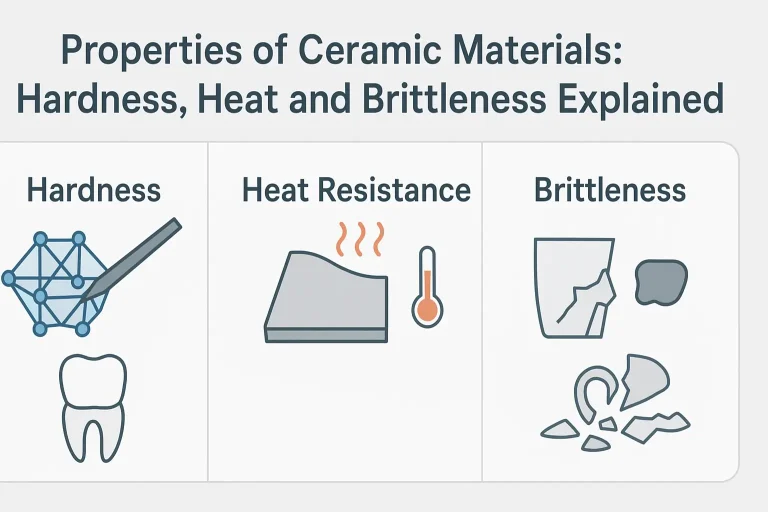
Water absorption is the single most important number. Porcelain tile absorbs less than 0.5% of its weight in water according to ANSI A137.1 standards. Standard ceramic tile absorbs between 0.5% and 3%. Above 3% and the tile is classified as non-vitreous. A bathroom floor demands semi-vitreous at minimum. Fully vitrified porcelain is better. According to the Tile Council of North America Handbook, moisture expansion in high-absorption tile causes the body to swell after installation and eventually crack or debond from the mortar bed.
Slip resistance is measured as DCOF, or dynamic coefficient of friction. The ANSI A137.1 standard requires a DCOF of 0.42 or higher for level interior floors expected to get wet. This is a lab-tested value reported by reputable manufacturers. It is not something you can eyeball. A smooth, glossy tile can test at 0.15 DCOF when wet and 0.50 when dry. The same tile might be fine in a dry hallway and dangerous in a bathroom.
The PEI rating, from the Porcelain Enamel Institute, classifies a tile’s surface wear resistance. PEI 0 is for wall use only with zero foot traffic. PEI I and II work for barefoot or slipper traffic in a residential bathroom. PEI III covers normal footwear traffic through a household. PEI IV handles moderate commercial use. A bathroom floor inside a home needs at least PEI III. A powder room with light use can accept PEI II. The rating system ensures the surface glaze resists scratching from grit and denting from dropped objects.
Quick Reference
Bathroom Ceramic Tile — Key Terms Explained
Quick reference for the ratings and terms used throughout this guide
The percentage of water absorbed by the tile body under standardized test conditions. Lower is better for bathrooms.
The degree to which a tile body becomes glass-like and non-porous during firing. Fully vitrified porcelain absorbs under 0.5% water.
Porcelain Enamel Institute wear rating from 0 (wall use only) to V (heavy commercial). Bathroom floors need at minimum PEI III.
Dynamic Coefficient of Friction. The ANSI standard for slip resistance. A minimum of 0.42 is required for level interior floors that may get wet.
Tile with a glass coating fired onto the surface. The glaze determines color, texture, and slip resistance, while the body determines strength.
The clay material forming the tile structure beneath the glaze. The body color (red, white, through-body) matters if the glaze chips.
Tile cut precisely at the factory for uniform dimensions. Enables narrow grout lines under 1/16 inch for a near-seamless look.
Fine cracks in the glaze surface caused by thermal expansion mismatch between glaze and body. Common in poorly matched glaze-body systems.
How Do Ceramic and Porcelain Tile Compare for Bathroom Floors?
Porcelain absorbs less water than standard ceramic tile. That is the single reason porcelain dominates bathroom floors. The difference is in the clay body composition and the firing temperature. Porcelain uses higher kaolin content and fires to cone 8-10 in industrial roller kilns. The resulting body vitrifies to almost zero porosity. Standard ceramic tile fires at lower temperatures and retains absorption between 0.5% and 3%. That absorbed water expands in the tile during bathroom humidity swings and eventually causes the surface to micro-crack or the tile to loosen from its mortar bed.
The trade-off is cost and ease of installation. Porcelain costs more per square foot and requires a wet saw with a diamond blade to cut. The hardness that makes porcelain durable also makes it brittle to work with. Standard ceramic tile cuts faster, costs less, and installs with fewer broken pieces. For a bathroom that gets light use, a high-quality ceramic tile with an absorption rate near 0.5% performs nearly as well as porcelain. The porcelain tile rated for bathroom floors costs between $3 and $8 per square foot for quality mid-range options.
Product Comparison
Ceramic vs Porcelain Tile — Side by Side for Bathroom Floors
Use the table below to match your bathroom needs to the correct tile type.
| Feature | Porcelain Tile | Standard Ceramic Tile |
|---|---|---|
| Water absorption | Under 0.5% | 0.5% to 3% |
| Vitrification | Fully vitrified body | Semi-vitreous to vitreous |
| Firing temperature | Cone 8 to 10 (2300+°F) | Cone 02 to 3 (2000°F) |
| Cost per sq ft | $3 to $15 | $1.50 to $6 |
Porcelain is preferred for bathrooms with heavy moisture exposure or radiant floor heating. Standard ceramic is adequate for powder rooms or bathrooms in dry climates with proper ventilation.
The clay body color also matters. Porcelain body is typically through-body colored or white. Standard ceramic tile often has a red or buff body with a clear glaze over it. When a ceramic tile chips, the red body shows through. When porcelain chips, the same color extends through the full thickness of the tile. Both materials use the same ANSI standards for DCOF slip resistance and PEI wear rating. The glaze surface determines slip resistance for both types. The difference is entirely in the body performance.
What Do PEI Rating, DCOF, and Water Absorption Mean for Your Bathroom Floor?
Tile packaging and specification sheets report three test results. Understanding what each number means makes the difference between a floor that lasts 30 years and one that fails in two. The numbers are not marketing claims. They are standardized laboratory test results performed according to ASTM and ANSI methods. You can verify them on the manufacturer data sheet before buying.
The PEI rating, from the Porcelain Enamel Institute wear test, uses a rotating abrasive wheel with standardized grit applied to the tile surface. The tile rotates under load for a specified number of cycles. The glaze surface is then inspected for visible wear. PEI III, the minimum for residential bathroom floors, withstands the abrasive test without visible surface wear when tested to the cycles specified for normal footwear traffic. A PEI III rated floor tile handles everything short of commercial entryway grit without scratching.
The DCOF test uses a standardized rubber slider pulled across a wet tile surface at a controlled angle. The force required to start and maintain sliding is measured electronically. The result outputs as a decimal. A 0.42 DCOF wet value means the tile provides sufficient friction to prevent a fall under normal walking conditions on a wet level surface. Testing from the Ceramic Tile Institute of America confirms that DCOF values reliably predict slip resistance in real wet bathrooms.
Water absorption tests submerge a fired tile in boiling water for five hours followed by a 24-hour cold water soak. The weight gain as a percentage of the original dry weight gives the absorption rate. Porcelain rated at 0.5% or less is impervious for all practical bathroom purposes. A tile rated at 7% absorption, common for non-vitreous wall tile, will absorb bathroom humidity and eventually spall or crack at the surface when the absorbed water goes through freeze-thaw cycles in an unheated bathroom or daily warm-steam cycles after a shower.
Best Budget Ceramic Bathroom Floor Tile (Under $3 per Square Foot)
Budget ceramic floor tile can work in a bathroom if you select carefully. The key is staying with vitreous or semi-vitreous bodies, avoiding glossy surfaces, and paying attention to PEI rating on the box. At this price range you buy from big box retailers and the tile is typically imported. Quality control is reasonable, but variation in shade and size between boxes is wider than mid-range or premium tile. You compensate by buying an extra 15% for waste and sorting before installation.
The ceramic floor tile options under $3 per square foot include through-body color porcelain from major Chinese and Spanish manufacturers. These tiles typically offer PEI III or IV wear ratings and DCOF ratings at or above 0.42. The finish tends to be matte in neutral gray or beige. Size is usually 12-by-12 or 12-by-24 rectified format. For a small bathroom under 50 square feet, the budget tile selection is more than adequate if you select for the right body glaze combination.
Price Comparison
Budget Ceramic Bathroom Tile — Price per Square Foot
Price per sq ft, sorted lowest to highest. Prices are typical retail at time of publication.
$1.49/sq ft
$2.89/sq ft
$2.99/sq ft
$3.49/sq ft
$5.99/sq ft
Prices verified at time of publication. Actual prices vary by region, box store promotions, and quantity purchased.
Best Mid-Range Ceramic Bathroom Tile ($3 to $7 per Square Foot)
Mid-range bathroom floor tile is where most homeowners should focus. At $3 to $7 per square foot you get rectified porcelain body with consistent dye lot control, accurate DCOF ratings from published manufacturer data sheets, and through-color porcelain that hides chips. The surface wear rating is almost always PEI III or higher. The slip resistance ranges from 0.42 to 0.60 DCOF depending on the finish. You also get more size and finish options at this price point.
The sweet spot in this range is the 12-by-24-inch rectified porcelain with a matte or satin finish. Large format reduces grout lines in a bathroom where grout would absorb water. Rectified edges enable grout joints as narrow as 1/16 inch. The rectified porcelain tile in matte finish tested to 0.42 DCOF wet is the most reliable mid-range choice for a bathroom floor. Install 12-by-24 tiles with a one-third offset pattern to minimize lippage from the inherently slight curvature of large-format fired tile.
Wood-look porcelain plank tile, typically 6-by-36 inches, also sits solidly in this price bracket. The plank format installed in a herringbone or random pattern breaks up the monolithic look of large-format tile. The DCOF ratings on wood-look tile range from 0.38 to 0.55 wet depending on how prominent the surface texture is pressed in during manufacturing. The embossed grain texture creates micro-channels for water to drain underfoot. Check the manufacturer data sheet for the DCOF test result rather than relying on the product name.
Best Premium Ceramic Bathroom Floor Tile ($7+ per Square Foot)
Premium bathroom floor tile extends beyond the surface glaze to the body composition and overall design. At $7 to $15 per square foot you are buying through-body color porcelain that employs a meticulously controlled kiln firing cycle and closely monitored raw material particle size distribution. The result is a floor that mimics natural stone veining through the full tile thickness. The glaze and body combination achieves DCOF ratings above 0.60 wet without sacrificing the smooth look many homeowners prefer for a contemporary bathroom.
Italian rectified porcelain in a large 24-by-48-inch format leads this category. The size reduces grout lines to the absolute minimum. The surface achieves a 0.48 DCOF wet rating with a micro-undulated texture that feels smooth but disperses water across the surface. Each tile edge is machined after firing to ensure no lippage at installation. The Italian rectified porcelain bathroom tile in this class typically requires a professional installer with a large-format tile cutting system. Budget for $8 to $12 per square foot for tile and installation combined adds $12 to $20 per square foot for professional mortar and grout work.
Cost Reference
Bathroom Ceramic Tile — Total Cost per Square Foot by Budget Tier
All values pre-calculated. Find your budget and bathroom size to estimate the total material cost.
| Budget tier ↓ Bathroom size → | 40 sq ft (small) | 70 sq ft (medium) | 120 sq ft (large) |
|---|---|---|---|
| Budget: $1.50/sq ft | $60 plus 15% waste |
$105 plus 15% waste |
$180 plus 15% waste |
| Mid-range: $5/sq ft | $200 plus 15% waste |
$350 ★ most common | $600 plus 15% waste |
| Premium: $10/sq ft | $400 plus 15% waste |
$700 plus 15% waste |
$1,200 plus 15% waste |
Material cost only — excludes mortar, grout, underlayment, and installation labor. ★ highlights the most common bathroom renovation scenario.
How to Choose the Right Ceramic Tile for Your Bathroom Floor
Start with the water absorption rating on the manufacturer specification sheet. The number must be under 3% for a bathroom floor, and under 0.5% for a shower floor or steam room. Porcelain meets this without exception. Standard ceramic tile absorption ratings vary. Check the box or the technical data sheet. The information is always available from the manufacturer online if the store does not have it printed on the packaging.
Next, confirm the DCOF wet slip resistance is at least 0.42. This number is not guessable from the surface appearance. A matte-finish tile with zero measurable texture can test at 0.35, below the safe threshold for a bathroom. A polished porcelain with a nano-roughness coating might test at 0.50. Always read the spec sheet. The Tile Council of North America maintains a searchable database of tile products with verified DCOF test results.
Verify the PEI rating for your specific use case. PEI III handles residential bathroom foot traffic with normal footwear. PEI IV adds a margin of safety for dropped objects and grit tracked in from outdoors. The upcharge between PEI III and IV in the same tile series is often under $1 per square foot. Spend the extra dollar. The tile floor will last longer and look better. The PEI IV rated porcelain floor tile is the standard we recommend for all bathroom floors including master en suites.
Common Mistakes to Avoid When Buying Bathroom Ceramic Tile
The most expensive mistake is buying wall tile for a floor installation. Wall tile has a PEI 0 or I rating. The glaze wears through to the absorbent body within months under foot traffic. The tile body is non-vitreous with absorption above 7%. Water penetrates through micro-cracks in the glaze and destabilizes the mortar bond. Within two years the tile surface is chipped and the tile loses anchorage to the substrate. Always check the PEI rating on the box before purchase.
Buying glossy-finish ceramic tile for a bathroom floor is the second most common mistake. Glossy finishes routinely test below 0.35 DCOF wet. The smooth surface leaves no channel for water to escape from underfoot. The result is a slip hazard every time the bathroom steams up from a shower. Use glossy tile on walls only. Select a matte, satin, or textured surface for the floor. You can also consider ceramic backsplash tile recommendations for style and function for a complete bathroom ceramic solution.
Skipping the manufacturer data sheet and buying on appearance alone causes every failure mode described in this guide. The box store aisle makes every tile look the same. The spec sheet reveals the true performance. The sheet costs nothing. Ask the store associate to print it or download it to your phone before you swipe your card. This step alone eliminates the vast majority of bathroom floor failures.
Buying Guide
Before You Buy — Bathroom Ceramic Tile Checklist
Check off each point before making your tile purchase decision.
Does Ceramic Tile Need Sealing on a Bathroom Floor?
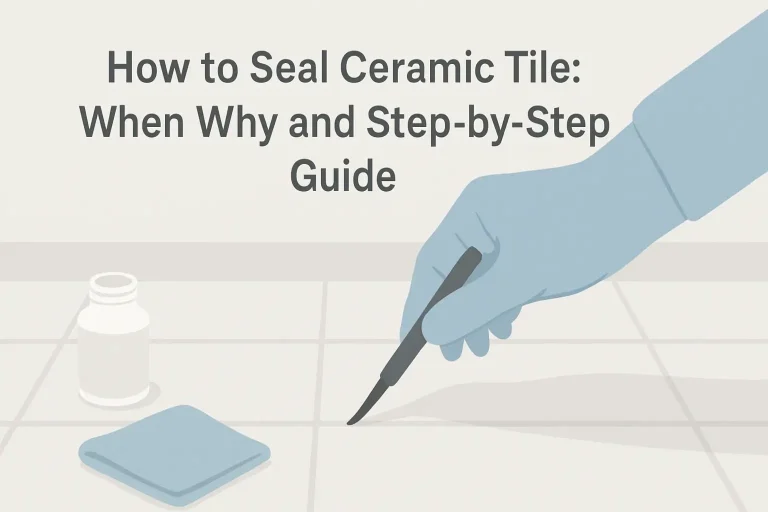
Porcelain tile with an absorption rate under 0.5% does not need sealing on the tile surface itself. The vitrified body is already impervious to water. The grout between tiles still needs sealing every one to two years to prevent water and soap from penetrating into the mortar bed beneath. Unglazed ceramic tile requires sealing on both the tile surface and the grout lines. The porous body absorbs standing water if left unsealed.
Glazed ceramic tile requires grout sealing only. The glaze surface prevents water penetration through the tile. The grout absorbs water and soap residue over time. Apply a penetrating grout sealer after installation and reapply every year in a bathroom with daily use. The penetrating grout sealer for bathroom floors costs $15 to $30 per bottle and covers approximately 1,000 linear feet of typical 1/8-inch grout lines.
Is Ceramic Tile Cold for a Bathroom Floor?
Ceramic and porcelain tile both feel cold under bare feet because they are dense materials with high thermal conductivity. The surface draws heat from your skin quickly. The tile temperature remains at ambient room temperature rather than feeling warm. The solution is radiant floor heating installed beneath the tile mortar bed or electric radiant mats embedded in a thin layer of self-leveling compound. Porcelain is the better choice for heated floors because it withstands thermal expansion and contraction cycles without cracking when properly installed over an uncoupling membrane.
Can I Install Ceramic Tile Over an Existing Bathroom Floor?
Installing ceramic tile over an existing tile floor is possible but requires specific preparation. The existing floor must be soundly bonded to the subfloor with no cracked or loose tiles. Any loose tile telegraphs failure through the new installation. Use a bonding primer designed for tile-on-tile application before spreading thinset mortar. The new floor height increases by the thickness of the mortar and new tile. Account for this rise at door transitions and toilet flanges. The bonding primer for tile-on-tile installation ensures proper adhesion between old glaze and new thinset.
How Thick Should Ceramic Tile Be for a Bathroom Floor?
Bathroom floor tile should be at least 8 mm thick for standard ceramic and 9 mm for porcelain in a residential setting. Tile thickness directly impacts impact resistance and cracking resistance under load. Thinner tile is acceptable for wall installation but will crack under foot traffic if installed on a floor. The thickness is printed on the box or available in the manufacturer specification sheet. Do not rely on feel alone because glazed edges can disguise a thin tile body.
What Grout Width Is Best for Bathroom Floor Tile?
Rectified tile allows grout widths as narrow as 1/16 inch using unsanded grout. Standard tile with size variation between pieces requires at least 1/8 inch grout joints to absorb the dimensional differences. The wet environment of a bathroom floor benefits from narrow grout lines combined with epoxy grout rather than cementitious grout. Epoxy grout repels water without sealing and resists staining from bathroom products. It costs more and requires faster application during installation.
Is Ceramic Tile Slippery When Wet?
The slipperiness of ceramic tile depends entirely on the glaze surface texture and the DCOF rating, not the tile type. A porcelain tile with a textured matte surface and a DCOF rating of 0.48 is less slippery wet than a glossy polished ceramic tile at 0.30 DCOF. The DCOF test number on the manufacturer spec sheet answers this question definitively. Do not rely on touch to judge slip resistance. Water on a smooth glaze creates a lubricating film that reduces dynamic friction by 50 to 70 percent depending on surface roughness.
What Is the Lifespan of Ceramic Bathroom Floor Tile?
Porcelain bathroom floor tile installed correctly over a stable subfloor with an uncoupling membrane lasts at least 50 years. The tile itself does not degrade under normal bathroom conditions. Failure comes from the installation, not the ceramic material. Grout may need replacement at 15 to 20 years. Standard ceramic tile in a bathroom lasts 20 to 30 years before surface wear or moisture damage appears. The absorption rating is the primary predictor of longevity in wet conditions.
The subfloor deflection limit is the single most important installation variable governing tile floor lifespan. Mortar and grout cannot prevent tile from cracking if the subfloor flexes under load. The Tile Council of North America specifies a maximum deflection of L/360 under live load plus dead load for ceramic tile. An installer must verify this before laying the first tile. The requirement applies equally to budget ceramic and premium porcelain because the crack propagates through both identically when the subfloor flexes beyond its designed limit.
Why Do Ceramic Tile Bathroom Floors Sometimes Crack?
Ceramic bathroom tile cracks for three reasons. The subfloor deflects beyond the L/360 limit under load. The tile experiences thermal expansion from a heating system without an uncoupling membrane. Or the mortar bond fails due to water penetration through the grout into a poorly prepared substrate. All three causes are installation failures. The ceramic material itself does not spontaneously crack when the manufacturer fired it correctly to the rated absorption specification.
What Is the Best Color for Bathroom Floor Tile?
Medium gray and warm beige are the most forgiving bathroom floor tile colors. They hide soap scum marks between cleanings far better than black or white tile. Black tile shows every drop of dried water and every speck of lint. White tile shows every hair and dirt particle. Medium-toned tile with subtle color variation masks the daily debris of a working bathroom until your regular cleaning schedule catches up. The color choice should always pair with a matte or satin finish for slip resistance compatible with the aesthetic goal. For a broader kitchen tile comparison, check our detailed analysis of durable and stylish options for kitchen floors.
Can You Use Ceramic Tile in a Shower Floor?
Porcelain mosaic tile with a mesh backing and a COF of 0.60 is the standard for shower floors. The small mosaic pieces follow the slope of the shower pan without cracking. Standard ceramic tile is not recommended for shower floors because the absorption rate is too high for constant water immersion over the life of the shower. The porcelain mosaic tile mesh sheets simplify installation and conform to the pitched substrate. Each small tile adjusts to the slope without lifting at the edges.
Does Ceramic Tile Flooring Increase Home Value?
Ceramic tile bathroom floors reliably add to the appraised value of a home when installed as a permanent finish rather than a floating floor. Appraisers value tile over vinyl sheet flooring or laminate in bathrooms. Porcelain tile carries a premium over standard ceramic in the valuation add because of the longer expected lifespan and lower maintenance profile. The return is highest when the tile is a neutral color and a format that will not date within the typical 10-year renovation cycle. The same principle applies when selecting kitchen flooring. Our guide on the better ceramic cookware choices illustrates how material quality affects long-term satisfaction in any ceramic product category.
Can Ceramic Bathroom Tile Be Painted?
Painting ceramic bathroom floor tile is a temporary cosmetic fix that lasts one to three years before peeling at the edges of high-traffic areas. The glaze surface resists paint adhesion without mechanical abrasion and a bonding primer. Matte-finished tile holds paint marginally better than glossy tile, but neither is designed for a coating. Replacement is the permanent solution for outdated bathroom floor tile. The proper ceramic material specifications are worth understanding before starting. Different ceramic products have different performance characteristics, just as our guide to subway tile in various sizes and patterns illustrates that tile format and installation geometry affect final appearance as much as the material itself.
Ceramic bathroom flooring decisions ultimately depend on getting the critical performance numbers right and matching the budget to those numbers. The absorption rate tells you how the tile handles water. The DCOF rating tells you whether it is safe to walk on when wet. The PEI rating tells you how the surface wears. Verify those three numbers on the manufacturer specification sheet before you buy. Everything else about color, size, and texture is esthetic and you can trust your own judgment on those. The tile industry has standardized the performance tests needed to make ceramic floors safe and durable. Use them.